Summary of H.Res. 1187 (118th Congress, 2nd Session)
Title: Supporting the designation of the week of August 24 through August 28, 2026, as the fourth annual “National Community Health Worker Awareness Week”.
Purpose
- Formal resolution recognizing and designating a specific week in 2026 as the fourth annual National Community Health Worker Awareness Week.
- Acknowledges the role and contributions of community health workers (CHWs) in public health and social services.
Key Provisions
- Formal designation: The House resolves to designate August 24–28, 2026, as National Community Health Worker Awareness Week (the fourth annual occurrence).
- Recognition of CHWs: The resolution explicitly recognizes CHWs as frontline public health workers who are trusted members or who have close understanding of the communities they serve.
- Roles and impact of CHWs:
- CHWs act as liaisons or intermediaries between health/social services and communities.
- They help facilitate access to services, improve quality and cultural competence of service delivery, build capacity, and increase health knowledge and self-sufficiency.
- Activities include outreach, community education, informal counseling, social support, and advocacy.
- Workforce characteristics:
- CHWs are a unique, community-based workforce recognized in 27 states with professional certification.
- They are diverse, with more than 250 titles (e.g., community health representatives, promotores de salud, aunts, outreach workers).
- They connect communities to health care and social services, helping reduce barriers to health and well-being.
- The workforce has a long history in the United States and reflects national diversity.
- Scope of CHW activities (illustrative roles):
1. Cultural mediation among individuals, communities, and health/social service systems.
2. Culturally appropriate health education and information.
3. Care coordination, case management, and system navigation.
4. Coaching and social support.
5. Advocacy for individuals and communities.
6. Building individual and community capacity.
7. Direct services (e.g., screenings like weight/BP, basic services like diabetic foot checks) and meeting basic needs.
8. Conducting individual and community assessments.
9. Outreach.
10. Participation in evaluation and research.
- CHW networks and governance:
- CHWs work through statewide, regional, or local organizations, including CHW associations and coalitions.
- These networks typically have leadership or membership that is at least 50% CHWs, promotores, or community health representatives, focusing on workforce development, mentoring, member mobilization, and advocacy.
- Funding and sustainability (mentioned as a consideration):
- Sustainable funding is important to support fair wages and recruitment/retention of CHWs.
Who is affected
- Public health and social service programs that involve CHWs.
- CHWs themselves and CHW organizations/coalitions.
- Communities and populations served by CHWs, particularly underserved or diverse communities served by CHW programs.
- Federal, state, and local agencies and stakeholders involved in workforce development, training, and health outreach.
Procedural/Timeline Aspects
- Procedural action: The resolution was introduced in the House and referred to the Committee on Energy and Commerce.
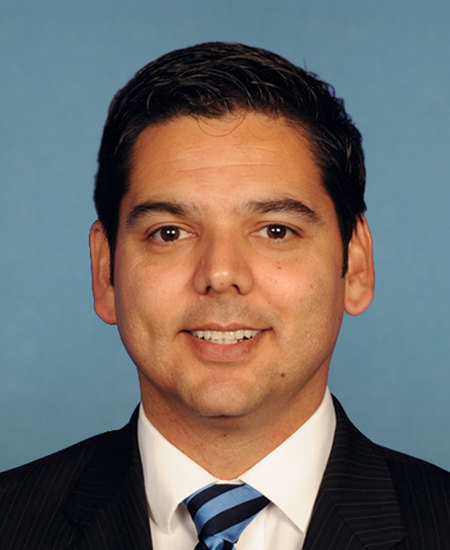
- Sponsor: Representative Raul Ruiz (co-sponsor listed).
- No immediate regulatory or funding changes are proposed; the resolution designates a week for awareness and formal recognition by the House.
Impact and Rationale
- The bill is largely symbolic but aims to elevate awareness of CHWs, highlight their contributions, and encourage collaboration across local, state, and federal levels.
- By acknowledging CHWs, the resolution supports ongoing conversations about workforce development, training, and sustainable funding to maintain and expand CHW programs.
In short, H.Res. 1187 designates August 24–28, 2026, as National Community Health Worker Awareness Week and acknowledges the vital roles CHWs play in improving access to care, health education, and community well-being.