

WeVote

Bill

Bill

HRES 1392

Supporting the designation of a "National Learn to Swim Week" beginning on the 4th Sunday in June.

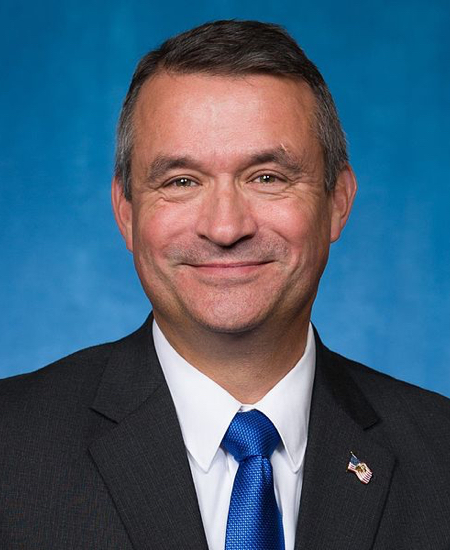
119th Congress Introduced by Don Bacon and 6 co-sponsors

Designates a nationwide National Learn to Swim Week and urges actions to expand access to swimming lessons to reduce drowning deaths and promote safety.

Submitted in House
0
WeVote Research Nonpartisan
Bill Summary · HRES 1392

Summary of H. Res. 1392 (119th Congress)

Purpose

  • A non-binding House resolution proposing the designation of a nationwide period called “National Learn to Swim Week” beginning on the 4th Sunday in June.
  • The resolution expresses the sense of the House that learning to swim is a lifesaving skill and that expanding access to swimming instruction can reduce drowning deaths and promote health and inclusion.

Key Provisions

  • Establishes that the House supports designating a National Learn to Swim Week to raise awareness of water safety and encourage action by families and communities.
  • Outlines a series of non-binding recommendations for federal, state, and local action, including:
    • Recognizing learning to swim as a lifesaving skill and affirming that every child and adult in the United States should have the opportunity to learn.
    • Encouraging government promotion and support for access to swimming lessons, including through public funding, education initiatives, and partnerships with community organizations.
    • Encouraging schools and youth-serving organizations to integrate water safety education into curricula and after-school programs.
    • Supporting a national effort to reduce drowning deaths by backing the United States National Water Safety Action Plan, which aims to prevent drowning through evidence-informed actions.
    • Supporting tracking of fatal and nonfatal drownings, expanded lifesaving swim instructions, public awareness campaigns, and infrastructure investment to reduce drowning.

Who/What Is Affected

  • Primarily a symbolic/advocacy measure directed at:
    • Federal agencies and Congress (encouraging funding, coordination, and policy emphasis).
    • State and local governments (to promote and support swim lessons and water safety initiatives).
    • Schools, youth organizations, community organizations, and families (to integrate and participate in water safety education and swimming instruction).
  • Addresses disparities in drowning risk among underserved communities and highlights the need for culturally and logistically tailored instruction.

Procedural and Timeline Considerations

  • Status: Introduced in the House on June 25, 2026, and referred to the Committee on Energy and Commerce.
  • Being a concurrent or simple resolution, it does not change law by itself but serves to express the sense of the House and favor certain policy directions.
  • If enacted as a resolution, it would designate a week annually and urge related actions, but would not create federal mandates or spending by itself (any funding or mandates would require separate legislation).

Context and Rationale

  • Drowning is highlighted as the leading cause of death for children 1–4 and a major cause of unintentional injury deaths across age groups, with thousands of fatalities and nonfatal drownings annually.
  • Evidence cited includes studies showing swimming lessons reduce drowning risk (notably by about 88% for young children).
  • Emphasizes barriers to access (financial, geographic, cultural) and the disproportionate impact on underserved communities, underscoring the need for expanded access and education.

Notable Details

  • References CDC data on drowning mortality and nonfatal drownings.
  • Cites NIH-supported research on the effectiveness of formal swimming lessons.
  • Includes explicit recommendations for public funding, education initiatives, and partnerships to advance water safety and swimming instruction.

Potential Impact

  • Raises national awareness about drowning prevention and swimming education.
  • Encourages policymakers and communities to prioritize funding and programs for swimming lessons.
  • May influence school curricula and youth programs to incorporate water safety.
  • Provides a framework for coordinated national action through the National Water Safety Action Plan and related tracking and outreach efforts.

Compiled from official sources — confirm details with the bill’s official record.

Sign in to ask a question.