

WeVote

Bill

Bill

S 5318

Summer Meals and Learning Act of 2026

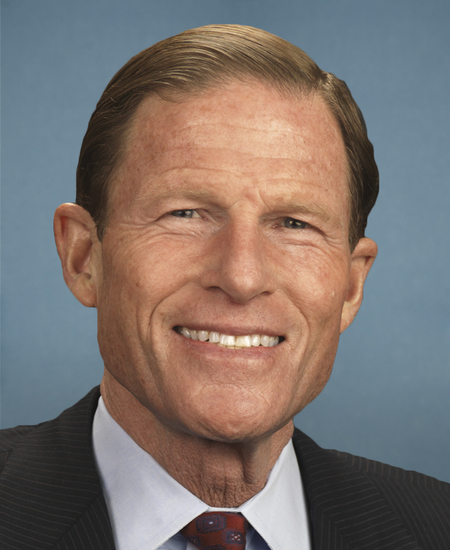
119th Congress Introduced by Richard Blumenthal and 3 co-sponsors

Creates a federal grant program for State Library Agencies to fund summer early reading programs at school lunch sites to boost literacy for at-risk students.

Introduced in Senate
2
WeVote Research Nonpartisan
Bill Summary · S 5318

Summary of Bill: S.5318 – Summer Meals and Learning Act of 2026

Purpose and Intent

  • Establish a new federal grant program to support summer learning opportunities at schools with summer lunch sites.
  • Specifically, provide grants to State library administrative agencies to fund summer early reading programs at eligible school sites, expanding access to libraries and literacy activities during the summer.

Key Provisions and How They Work

  • Definitions (Section 2)

    • “Eligible Local Educational Agency” means a local education agency (LEA) that:
    • Serves lunch at a school during the summer through the summer food service program or the seamless summer option, and
    • Has at least 50% of students in pre-K through 3rd grade who are reading below or at risk of reading below grade level.
    • “Summer Early Reading Program” means a summer program (at least 6 weeks) held at a school with a summer lunch site, providing:
    • Access to the school library for participating students, and
    • Literacy activities or expanded learning opportunities.
    • Other defined terms include “Secretary” (Secretary of Education), “State” (including U.S. territories), and “State Library Administrative Agency” (as per the Museum and Library Services Act).
  • Grants Authorized (Section 3)

    • The Secretary may award competitive grants to State library administrative agencies (SLAAs). These agencies then award subgrants to eligible LEAs to run summer early reading programs at the lunch sites.
    • The program is funded from amounts made available under subsection (f) for each fiscal year.
  • Application and Funding Process (Section 3)

    • SLAAs must apply with details on:
    • How they will award subgrants (priorities, including emphasis on LEAs with high ratios of eligible lunch sites to total sites).
    • How they will disseminate information about subgrants and the application process.
    • Criteria for the summer programs (including minimum library access hours and other activity criteria).
    • Assurance that each eligible LEA receiving a subgrant will provide a summer reading program at every lunch site served.
    • Subgrants to LEAs are competitive and based on:
    • Number of lunch sites and students served, plus other criteria set by the SLAA.
    • LEAs must include in subgrant applications:
    • Participating lunch sites and student-to-site ratio,
    • Proof of meeting eligible LEA requirements,
    • Program description for each site, and
    • How community partners will be involved.
    • Funds must be used to implement the proposed summer reading programs, collaborate with community partners, and hire/train SLAA personnel to teach the programs.
  • Use of Funds (Section 3(d))

    • Subgrant funds support:
    • Development and execution of summer reading programs at each site,
    • Related activities and strategies,
    • Hiring and training personnel to teach the programs.
  • Reporting (Section 3(e))

    • Annually, both the SLAA and LEAs must submit progress reports to the Secretary regarding the grant or subgrant activities and outcomes.
  • Authorization of Appropriations (Section 3(f))

    • Authorized funding: $5,000,000 per fiscal year for 2027–2031.

Who Is Affected

  • State Library Administrative Agencies (SLAA): Receive federal grants to administer and subgrant funds to LEAs; responsible for program oversight, criteria development, and reporting.
  • Eligible Local Educational Agencies (LEAs): Receive subgrants to implement summer early reading programs at a subset or all school lunch sites; required to partner with community organizations and ensure library access and literacy activities.
  • School Lunch Sites: Sites where summer meals are served; target locations for extending library access and literacy programs.

Timelines and Procedural Details

  • Establishes a multi-year federal program with appropriations authorized for 2027–2031.
  • Grants awarded on an annual basis, with annual reporting requirements.
  • Program elements (library access, literacy activities) must run for a minimum of six weeks each summer at participating sites.

Potential Impact

  • Increases access to libraries and literacy-based enrichment for students at risk of reading below grade level, particularly in schools where a high share of students participate in summer lunch programs.
  • Integrates library services with nutrition programs to promote continuous learning during the summer.
  • Encourages community partnerships to support summer literacy activities.
  • Creates a structured, federally funded mechanism to support summer learning beyond classroom hours through school libraries.

Note: The bill defines targeted eligibility based on both lunch-site presence and early reading risk, aiming to concentrate resources where need is greatest while leveraging existing summer meal infrastructure.

Compiled from official sources — confirm details with the bill’s official record.

Sign in to ask a question.