

WeVote

Bill

Bill

S 4847

Summer for All Act

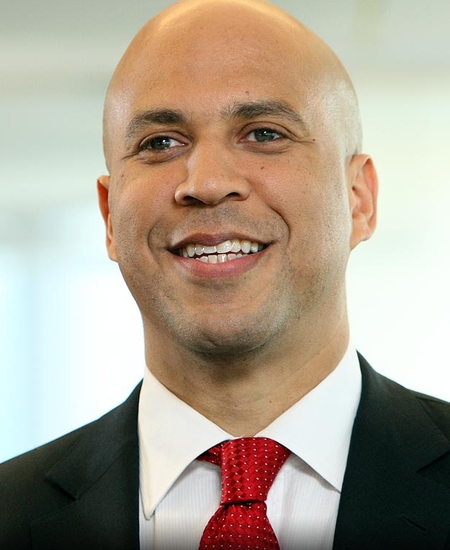
119th Congress Introduced by Cory Booker and 2 co-sponsors

The act creates federal and state grants to expand affordable, high-quality summer enrichment for youth (5–22), focusing on low-income and underserved groups.

Introduced in Senate
0
WeVote Research Nonpartisan
Bill Summary · S 4847

Summary of Bill: Summer for All Act (S. 4847, 119th Congress)

Purpose and intent

The Summer for All Act establishes a federal program to expand access to high-quality summer enrichment and programming for youth. The core goal is to reduce summer learning loss, provide safe and enriching environments, and ensure that underserved youth—particularly low-income, rural, English learners, youth with disabilities, and other at-risk groups—have access to affordable summer activities.

Key provisions and changes

  • Definitions (Sec. 2): Clarifies terms used in the bill, including local/state educational agencies, community-based organizations, English learners (with a 22-year age cap extension), Indian Tribes, institutions of higher education, and the scope of “youth” (ages 5–22). The Secretary is defined as the Secretary of Health and Human Services.

  • Summer Enrichment Expansion Grants (Sec. 3):

    • Eligible entities: Community-based organizations, intermediaries/collaboratives with experience supporting youth programs, and institutions of higher education.
    • Purpose: Competitive grants to run Summer for All programs aimed at high-quality, affordable summer programming, with emphasis on low-income and rural youth and youth of color.
    • Duration: Grants up to 4 fiscal years.
    • Priorities for funding:
    • Serving low-income and other targeted youth.
    • Partnerships with local educational agencies, parks/recreation, libraries, etc.
    • Providing safe transportation to summer programs (notably in rural/underserved areas).
    • Programs offering 2 or more eligible activities (see details below).
    • Use of funds (eligible activities): Programs must run 5 days a week for at least 5 weeks, be free for eligible youth, provide meals at no cost, and include a broad set of activities such as academic enrichment, social-emotional learning, health and safety, mentoring, career readiness, postsecondary preparation, service-learning, anti-bullying efforts, and inclusivity. The activities also cover relationship-building, trauma-informed supports, and optional activities like volunteering and community involvement.
    • Additional uses: Recruitment/retention of staff, outreach to enroll participants, and other reasonable administrative costs.
    • Discrimination: Prohibits discrimination in program participation or employment.
  • Summer Programming State Grants (Sec. 4):

    • Eligible entities: Governors/ chiefs of States, State educational agencies, or governing bodies of Indian Tribes. Purpose: Competitive grants to plan and implement sustainable strategies to expand summer enrichment, build cross-agency/community partnerships, and broaden opportunities beyond traditional camps.
    • Duration: Up to 4 fiscal years.
    • Priorities: Sustainability beyond the grant term; stakeholder feedback mechanisms; diverse program offerings to expand access for underserved communities and at-risk youth.
  • Reporting and accountability (Secs. 3, 4): Recipients must annually report on fund usage, youth served, partnerships, and progress toward access and quality improvements. Reports are to be made public.

  • Data collection (Sec. 5): The Department may reserve up to 5% of appropriations for research and data collection to measure need and track progress.

  • Funding and appropriations (Sec. 6):

    • Authorization: $4 billion for fiscal years 2027–2030, plus $1 billion for each subsequent year.
    • Distribution of funds: Each year, at least 47.5% to Summer for All section 3 grants, up to 47.5% to Summer for All state grants (section 4), and up to 5% for data collection (section 5).

Who would be affected

  • Youth across the United States ages 5–22, especially those who are low-income, rural, English learners, have disabilities, or experience homelessness, food insecurity, involvement in the justice system, or other risk factors.
  • Community-based organizations, higher education institutions, local education agencies, state educational agencies, tribal governments, and other local partners involved in summer programming.
  • Families seeking affordable, structured summer enrichment opportunities outside traditional schools.

Procedural and timeline aspects

  • Introduced June 22, 2026; referred to the Senate Committee on Health, Education, Labor, and Pensions.
  • If enacted, funds would be available starting in fiscal year 2027, with grants awarded on a competitive basis for up to four-year periods, and continued funding thereafter as appropriations permit.

This bill outlines a multi-channel approach—federal grants to grantees (community-based partners, intermediaries, and higher education) and state-level grants—to expand access, improve quality, and sustain summer enrichment programs nationwide.

Compiled from official sources — confirm details with the bill’s official record.

Sign in to ask a question.