

Bill

BILL • US SENATE

S 1191

Studying NEPA’s Impact on Projects Act

119th Congress
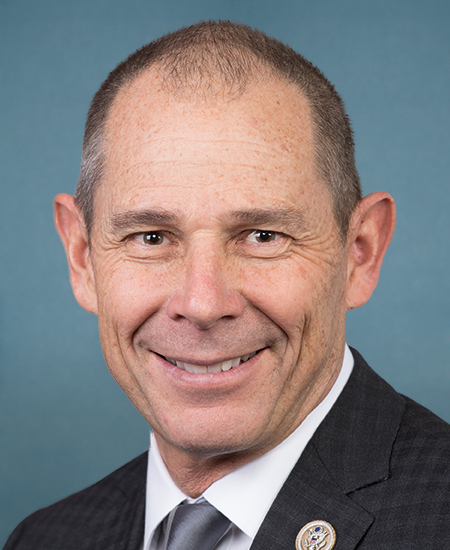
Introduced by John Curtis, Mark Kelly,

Bill S 1191 allows inmates to earn reduced prison time through good behavior and rehabilitation participation, aiming to lower recidivism and improve public safety.

Introduced in Senate
0
0
Bill Summary • S 1191

Summary of Bill S 1191: Provides for Limited Credit Time Allowances

Overview

Bill S 1191, introduced on January 8, 2025, aims to establish limited credit time allowances within the correctional system. This legislation is currently referred to the Correction Committee after passing the Senate on May 21, 2025, and being delivered to the Assembly on the same day.

Purpose and Intent

The primary intent of Bill S 1191 is to reform the way credit time is allocated to incarcerated individuals. By providing limited credit time allowances, the bill seeks to incentivize good behavior and participation in rehabilitation programs, ultimately aiming to reduce recidivism rates and enhance public safety.

Key Provisions

  • Credit Time Allowances: The bill proposes a structured system for granting credit time to inmates based on specific criteria, including:

    • Participation in educational and vocational programs.
    • Demonstration of good behavior during incarceration.
    • Compliance with institutional rules and regulations.
  • Limitations: The bill specifies that credit time allowances will be limited to ensure that they do not undermine the severity of sentences or the justice system's integrity.

  • Implementation: The Department of Corrections will be responsible for developing guidelines and procedures for the administration of these credit time allowances.

Affected Parties

  • Incarcerated Individuals: The bill directly impacts inmates by providing them with opportunities to earn reduced time in prison through positive actions.
  • Correctional Facilities: Facilities will need to adapt to the new guidelines and monitor inmate participation in programs to ensure compliance with the bill's provisions.
  • Public Safety: The broader community may benefit from reduced recidivism rates as inmates engage in rehabilitation efforts.

Legislative Timeline

  • January 8, 2025: Bill introduced and referred to the Crime Victims, Crime, and Correction Committee.
  • February 4, 2025: First report calendar.
  • February 10, 2025: Advanced to third reading.
  • May 21, 2025: Passed in the Senate and delivered to the Assembly.
  • May 22, 2025: Referred to the Correction Committee for further consideration.

Related Legislation

  • S 6617: A related bill from a prior session that may address similar issues within the correctional system.
  • A 6464: A companion bill that may provide additional context or provisions related to credit time allowances.

Conclusion

Bill S 1191 represents a significant step towards reforming the correctional system by introducing limited credit time allowances. By incentivizing positive behavior and participation in rehabilitation programs, the bill aims to foster a more effective and humane correctional environment while enhancing public safety. The ongoing legislative process will determine the final structure and implementation of these provisions.

Hi! I'm your AI assistant for S 1191. I can help you understand its provisions, impacts, and answer any questions.

Key Provisions Impacts Timeline
Sign in to chat