

WeVote

Bill

Bill

HR 8961

Student Suicide Prevention Awareness Act of 2026

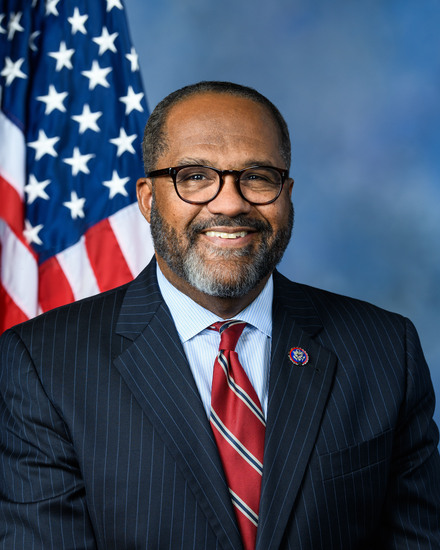
119th Congress Introduced by Troy Carter and 1 co-sponsor

Establish a national school-based public awareness campaign and signage system to inform youth, staff, and families about 988 Lifeline resources and 24/7 confidential support.

Introduced in House
0
WeVote Research Nonpartisan
Bill Summary · HR 8961

Overview

  • bill: HR 8961
  • Session: 119th Congress
  • Purpose: Amend the Public Health Service Act to establish a public awareness campaign in schools about youth suicide prevention resources, including the 988 Suicide & Crisis Lifeline, and to update related school signage requirements.
  • Sponsor: Rep. Troy Carter (with Rep. Jim Moylan as co-sponsor)

Main purpose and intent

  • Create and fund a public awareness campaign aimed at informing students, school staff, and families about youth suicide prevention resources.
  • Ensure schools have updated, clearly visible signage that directs students to the 988 Suicide & Crisis Lifeline and explains how to access support (phone, text, or digital chat), along with assurances that the Lifeline is free, confidential, and available 24/7.
  • Coordinate campaign activities with the Secretary of Health and Human Services.

Key provisions and changes

  • Amends Section 520B of the Public Health Service Act (42 U.S.C. 290bb-32) to add:
    • A new subsection authorizing a public awareness campaign on youth suicide prevention resources, in coordination with the Secretary.
    • The campaign must include public outreach in its development and provide support to schools to update signage to reflect available resources.
  • Signage requirements (new subsection often labeled as part of the updated subsection (d) or its equivalent):
    • Signage must be clear and visible and include:
    • The 988 Suicide & Crisis Lifeline phone number.
    • Information on how students can access support (call, text, or digital chat) via the Lifeline.
    • Language encouraging students experiencing emotional distress to seek help.
    • Language stating that the Lifeline is free, confidential, and available 24/7.
    • Signage must be displayed or digitally posted in locations easily visible to students, including:
    • Entrances and exits
    • Student common areas
    • School counselor and nurse offices
    • Gymnasiums, auditoriums, art rooms, music rooms, libraries
    • Student restrooms and locker rooms
    • Digital school bulletin boards
  • Timing: The bill would extend or adjust the timeline for reporting/signage updates, with a specific date reference in existing subsections shifted from 2024 to 2027 (i.e., the applicable year for certain requirements is moved from 2024 to 2027).

Who/what is affected

  • Primary beneficiaries: students and school communities (k-12 settings) nationwide.
  • Schools and school districts: required to display updated suicide prevention resources and signage as part of the campaign.
  • Public health system: collaboration with the Secretary of Health and Human Services to run the awareness campaign.
  • 988 Suicide & Crisis Lifeline: central resource highlighted by the campaign and signage.

Procedural and timeline aspects

  • Legislative path: Introduced May 21, 2026, and referred to the House Committee on Energy and Commerce.
  • Implementation: The act directs a coordinated federal public awareness campaign and updates to school signage. Subsection renumbering and targeted updates indicate alignment with existing authority under the Public Health Service Act.
  • Signage timeline: References to signage requirements and a shift in a threshold year from 2024 to 2027 suggest a staged implementation or extended compliance window.

Potential impact

  • Increased visibility and access to youth suicide prevention resources for students, families, and school staff.
  • Standardized, easily accessible information across schools about the 988 Lifeline and how to seek help.
  • Enhanced school-based notification infrastructure, potentially improving early intervention and support seeking behavior among students experiencing distress.
  • Encourages ongoing collaboration between schools and federal public health authorities to address youth mental health crises.

Compiled from official sources — confirm details with the bill’s official record.

Sign in to ask a question.