Summary of AB 1669 (2025–2026) — California Education Code: Student Health, Medical Leaves of Absence, Mental Health
Date introduced: February 2, 2026
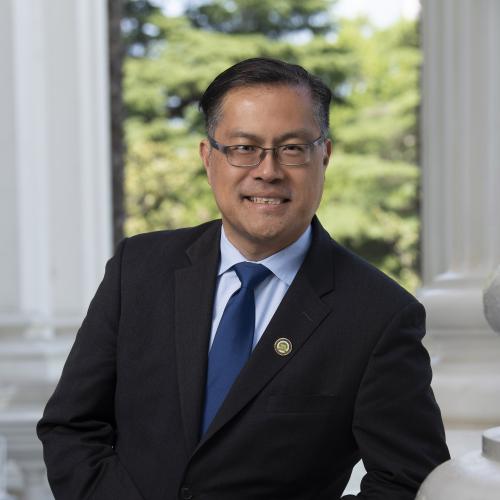
Author: Assembly Member Pacheco (coauthor: Assembly Member Fong)
Current status: Amended and re-referred; latest action in April 2026. Bill text proposes adding Education Code Section 66025.2.
Purpose and intent
- Aim: Establish a statewide framework to support students facing health or mental health challenges by authorizing voluntary medical leaves of absence (MLOA) and requiring reasonable accommodations, with the goal of enabling students to recover and return to their studies without academic penalty or the need to reapply.
- Rationale emphasized: Mental health challenges affect student functioning and performance; provide a clear, equitable, and accessible pathway for recovery and return.
Key provisions and changes
- Target and scope (commencing 2027–28 academic year): Requires UC campuses, CSU campuses, California Community Colleges, private postsecondary institutions (as defined) and independent higher education institutions to adopt a written MLOA policy with the following elements:
1) Leave duration: Allow a voluntary medical leave for a period determined by the institution or up to one academic year, whichever is longer.
2) Readmission rights: Must not require withdrawal or deny readmission; students returning from an MLOA must be able to enroll in courses in good academic standing.
3) Medical necessity extensions: Permits an extension beyond the policy period only for medical necessity, as determined by the student’s physician or medical provider; extensions may require physician documentation.
4) Notification procedures: Include procedures for notifying the institution of the need for an MLOA.
5) On-campus participation: Institutions must consider whether students on leave may be on campus or participate in activities, with primary concern for student safety; participation requirements must not be modified solely due to the MLOA.
- Reasonable accommodations (without documentation burden): Institutions must provide reasonable accommodations to students facing medical or mental health challenges that substantially limit major life activities, enabling completion of coursework and research. Accommodations may include, but are not limited to:
- Maintaining involvement in campus activities, workplaces, and organizations
- Make-up tests and assignments for medically related absences
- Leave pursuant to the policy
- Extended testing time in a reduced-distraction environment
- Reduced course load
- Making up work without penalty; excusing late arrivals/absences due to medical appointments or symptoms
- Limitations on accommodations: Accommodations that would fundamentally alter an essential academic requirement or licensing prerequisite are not considered reasonable accommodations.
- Alignment with existing policies: If an institution already has an MLOA policy, it must be updated to conform to these requirements.
- Communication and training (dissemination of policy):
- Faculty, staff, and employees must receive required training on the MLOA policy.
- Students must receive policies during orientation; copies provided at campuses across segments.
- Email communications at the beginning of each semester/term to all students and employees.
- Prominent posting on the institution’s website; on-campus medical centers must provide policy information to students upon request.
- Registrar and campus administrator offices must provide policy information to students seeking withdrawal information.
- Definitions:
- “Medical” includes health- and mental health-related issues (e.g., anxiety, depression, eating disorders, substance use disorders).
- “Postsecondary educational institution” covers UC, CSU, CCCs, private institutions, and independent institutions (per specified definitions).
- Governing considerations: For UC, applicability depends on Regents’ resolutions making the policy applicable.
- Fiscal note: If the Commission on State Mandates determines there are state-mandated costs, reimbursement to local agencies and school districts would follow existing mandated costs procedures.
Procedural and timeline aspects
- Effective implementation: Policy adoption required for the 2027–28 academic year.
- Training and notices: Ongoing requirements to train faculty/staff and inform students at orientation; periodic notices at the start of each semester/term.
- Administrative responsibilities: Requires multiple campus offices to provide policy information and to maintain accessible policy materials online and in print.
- Reimbursement: State mandates provisions apply; potential local program costs subject to mandate reimbursement rules.
Who is affected
- Postsecondary institutions: UC, CSU, CCCs; private postsecondary institutions as defined; independent institutions of higher education.
- Students: Those experiencing medical or mental health challenges who seek a voluntary MLOA or reasonable accommodations.
- Faculty, staff, administrators: Required training and access to policy materials to support implementation.
- Campus services: On-campus medical centers and registrar/administrative offices involved in information dissemination and enrollment/readmission processes.
Overall impact
- The bill would create a standardized, rights-based framework for medical leaves of absence and accommodations aimed at preserving students’ academic standing and facilitating recovery, while outlining institutional responsibilities for policy adoption, communication, and accessibility.