

WeVote

Bill

Bill

HF 1493

Student career and college readiness provisions clarified.

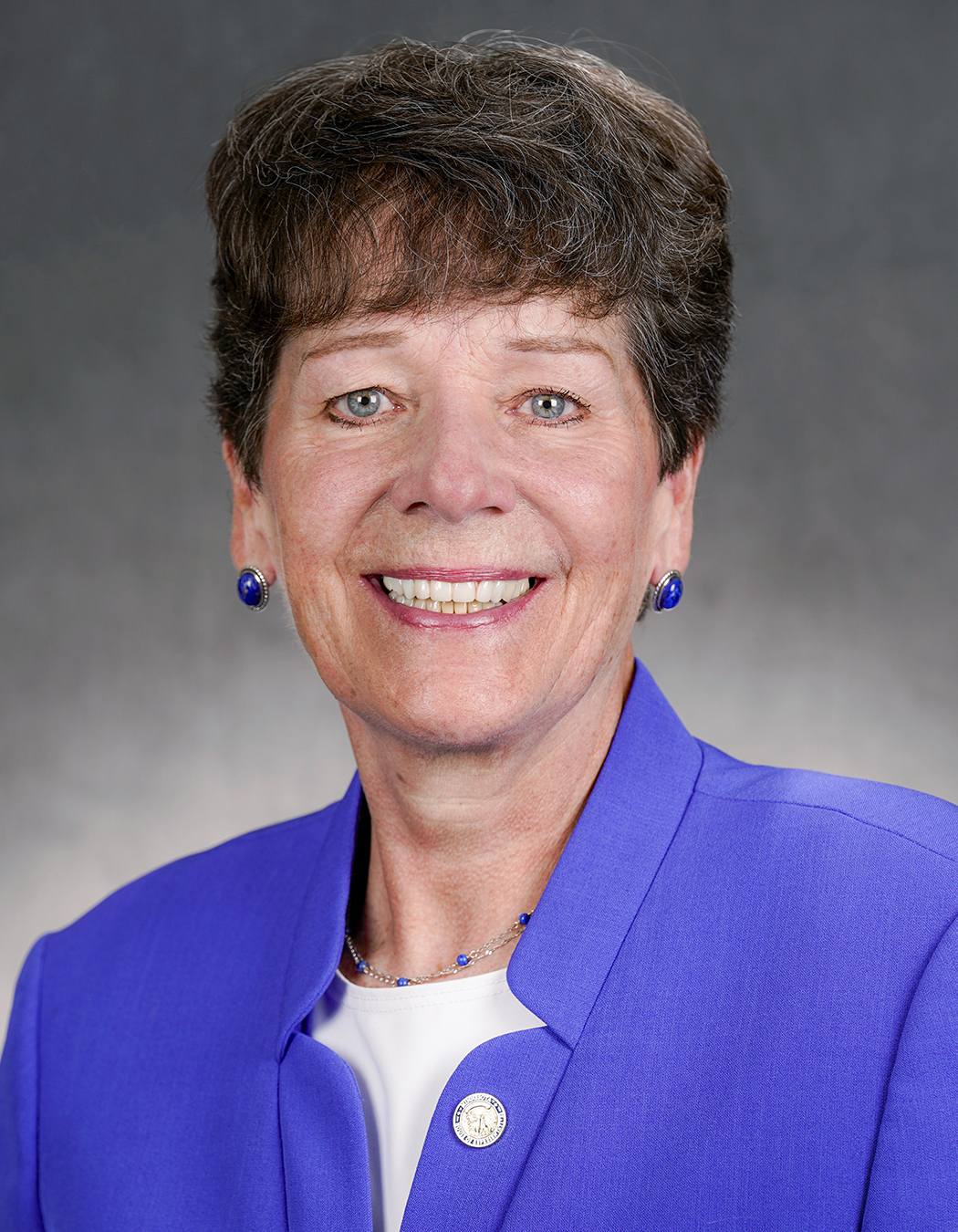
2025-2026 Regular Session Introduced by Peggy Bennett

Clarifies and standardizes career and college readiness programs to ensure consistent district implementation, counseling, and reporting for Minnesota students.

Introduction and first reading, referred to Education Policy
0
WeVote Research Nonpartisan
Bill Summary · HF 1493

Summary of HF 1493 (Minnesota, 2025-2026 Session)

Title

Student career and college readiness provisions clarified.

Purpose and intent

HF 1493 seeks to clarify and enhance provisions related to student career and college readiness in Minnesota. The bill appears to focus on defining and standardizing supports, requirements, and program structures intended to help students prepare for postsecondary education and the workforce. The exact language of the bill would specify the scope of readiness activities, align state policy with district practices, and ensure consistent administration across schools.

Key provisions and changes (provisional without the bill text)

Note: The following outlines are based on the bill’s stated title and typical elements found in similar Minnesota education policy bills. For precise language, consult the bill’s text.

  • Clarification of career and college readiness programs. The bill likely defines what constitutes “career and college readiness” activities and benchmarks, aiming to remove ambiguity in program eligibility and reporting.
  • Standards and benchmarks. Possible establishment or reinforcement of state-adopted standards or indicators for readiness (e.g., coursework alignment, assessments, counseling standards, or completion of readiness milestones).
  • Student supports and resources. Potential specification of required or recommended supports such as counseling services, mentorship, internship opportunities, dual enrollment, or access to college and career exploration tools.
  • Counseling and guidance requirements. Possible emphasis on equitable access to counseling, with expectations for school districts regarding delivery of guidance related to postsecondary options, financial aid information, and transition planning.
  • Program eligibility and funding alignment. If there are state resources or funding tied to readiness initiatives, the bill could clarify eligibility criteria, reporting requirements, and accountability mechanisms for districts and schools.
  • Data collection and reporting. Likely mechanisms for measuring program effectiveness, reporting to the Minnesota Department of Education, and transparency for stakeholders.

Who is affected

  • Students: K-12 students targeted by career and college readiness programs, particularly those in grades where readiness activities are most emphasized (e.g., middle and high school).
  • School districts and charter schools: Entities responsible for implementing readiness programs, counseling services, and program reporting.
  • Educators and counselors: Professionals delivering readiness activities, guidance, and supervision of student pathways.
  • State education agencies: Minnesota Department of Education (MDE) and related state entities that oversee program standards, reporting, and compliance.

Procedural and timeline aspects

  • Introduction and referral: HF 1493 was introduced and referred on February 24, 2025, to the Education Policy committee.
  • Next steps (typical): If advanced, the bill would proceed through committee hearings, potential amendments, and floor votes in the Minnesota House of Representatives, followed by consideration by the Minnesota Senate (if aligned with the legislative process for the 2025-2026 session).
  • Effective dates: Any enacted provisions would specify effective dates (e.g., upon enactment or a future date) and may include phased implementation or annual reporting milestones.

Practical impact

  • By clarifying definitions and requirements, the bill aims to reduce ambiguity in program administration, improve consistency across districts, and enhance students’ ability to plan for college, vocational training, apprenticeships, or direct entry into the workforce.
  • The bill could influence funding allocation, reporting processes, and the scope of required counseling and career exploration activities in Minnesota schools.

If you can provide the actual bill text or specific subsections, I can produce a more precise, section-by-section analysis with exact provisions, timelines, and fiscal implications.

Compiled from official sources — confirm details with the bill’s official record.

Sign in to ask a question.