Summary of AB 2466 (Session: 2025-2026) – California
Title: Strong Workforce Program: work-based learning opportunities: regional consortia
Jurisdiction: California
Purpose and intent
- AB 2466 aims to modify and extend certain provisions of the Strong Workforce Program administered through the California Community Colleges system.
- The bill's core goals are to increase paid work-based learning opportunities, strengthen regional consortia, and extend timelines for policy guidance updates to support these efforts.
Key provisions and changes
- Extension of policy guidance deadline
- Extends the deadline for the Chancellor’s Office to revise policies, regulations, and guidance necessary to provide paid work-based learning opportunities (to be aligned with the Strong Workforce Program) by one year beyond the previous deadline.
- Use of funds by regional consortia
- Authorizes funds apportioned directly to regional consortia to be used to provide direct support to students, employers, or both, for paid work-based learning (e.g., apprenticeships, internships, externships, student-run enterprises) to boost employability and employment outcomes.
- Scope of the Strong Workforce Program
- Reiterates that the program is a K–14 initiative to expand high-quality, industry-valued CTE and workforce development offerings, aligned with California’s strategic workforce plans and regional collaboration.
- Governance and regional collaboration
- Requires consortia to be inclusive of key regional partners (public institutions, adult education, local workforce boards, industry and labor representatives) and to engage in planning with adequate notice and opportunity for comment.
- Emphasizes alignment with federal Workforce Innovation and Opportunity Act (WIOA) planning and regional labor market needs.
- Policy and guidance development (Community College component)
- Requires the Chancellor’s Office, in consultation with the California Workforce Development Board and academic bodies, to develop guidance to:
- Increase aligned middle-skill and CTE offerings.
- Improve cross-region transfer of credits and credentials.
- Enhance sector-based employer engagement and work-based learning opportunities.
- Streamline resources and improve student outcomes in workforce contexts.
- Streamlining course approvals and portability (initial timeline)
- Reiterates an objective (with dates) to streamline CTE course and curriculum approvals to accelerate program development and enable portability of courses across districts, including potential expedited state approval processes and semester-to-semester portability.
- Short-term workforce training
- Encourages targeted, credit or noncredit short-term programs focused on economic recovery, reskilling, and upskilling, with employer partnerships and job placement outcomes.
- Funding allocation methodology (four-year plan cycle)
- Maintains a weighted formula for allocating funds to consortia and districts, with factors including unemployment rate, share of CTE FTES, projected job openings, and performance outcomes under WIOA.
- Keeps consortium-level and district-level funding to be used for regionally prioritized projects, including COVID-19 recovery-focused training begun in 2020.
- Compliance and reporting
- Requires consortia and districts to participate in regional planning efforts, provide labor market and performance data, and ensure funds supplement rather than supplant existing CTE funding.
- Access and dissemination
- Allows programs, courses, and instructional materials developed with Strong Workforce funding to be shared with all community college districts via an online clearinghouse.
Who is affected
- California Community Colleges and their districts.
- Regional consortia consisting of community college districts and local educational agencies.
- Partner organizations: adult education consortia, local workforce development boards, state universities (as applicable), labor unions, industry sector partners, and employers.
- Students participating in career technical education and work-based learning programs.
- Employers and industry partners involved in work-based learning opportunities.
Procedural and timeline aspects
- The bill references existing and extended timelines for policy guidance updates (extension by one year from the prior deadline).
- It reiterates implementation milestones related to streamlined approvals and portability, with baseline dates that were intended to be met in 2017–2018 (contextual for current updates).
- Funding allocation and four-year plan cycles continue to be governed by the chancellor’s office with annual recommendations to the Department of Finance and the Legislative Analyst’s Office.
Fiscal impact
- The bill does not appropriate new dollars but modifies allocation rules and extends timelines, with no specific net appropriation attached in the text provided. (Fiscal Committee approval is noted.)
Sponsor
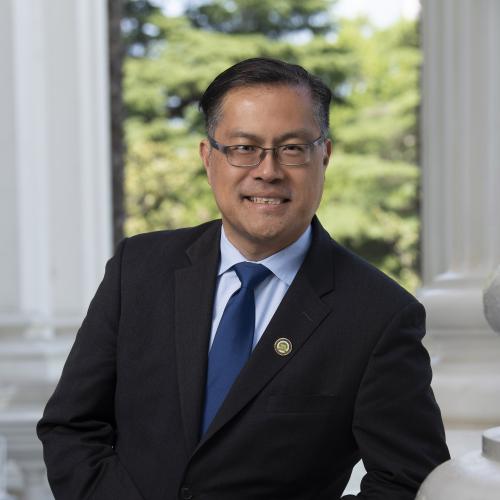
- Assembly Member Mike Fong (co-sponsor).
Bottom line
- AB 2466 extends and clarifies the Strong Workforce Program's framework, expands the use of regional consortium funds for paid work-based learning, strengthens regional collaboration and guidance development, and accelerates processes to expand career technical education and workplace learning opportunities for California students.