

WeVote

Bill

Bill

HR 5270

Stress Testing Accountability and Transparency Act

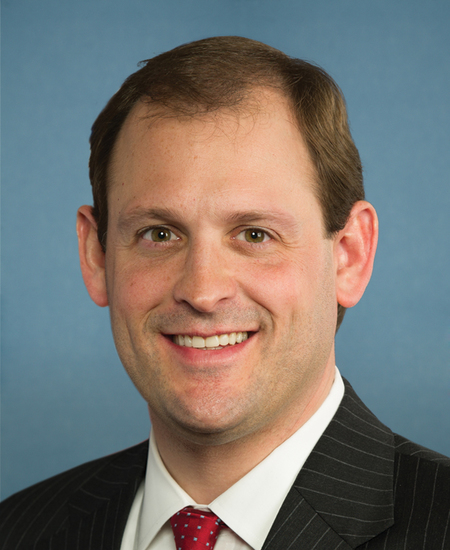
119th Congress Introduced by Andy Barr and 2 co-sponsors

HR 5270 mandates the Federal Reserve to enhance stress testing transparency, ensuring clear methodologies and public disclosure, boosting confidence in financial stability.

Reported (Amended) by the Committee on Financial Services. H. Rept. 119-366.
0
WeVote Research Nonpartisan
Bill Summary · HR 5270

Summary of HR 5270: Stress Testing Accountability and Transparency Act

Overview

Bill Number: HR 5270
Title: Stress Testing Accountability and Transparency Act
Introduced: September 10, 2025
Status: Reported (Amended) by the Committee on Financial Services (H. Rept. 119-366) on November 4, 2025
Primary Sponsor: Bill Huizenga (MI-04)
Cosponsors: Pete Sessions, Andy Barr

Purpose and Intent

The Stress Testing Accountability and Transparency Act aims to enhance the transparency and accountability of stress testing methodologies used by the Federal Reserve Board (FRB) for assessing the financial stability of certain banking organizations. The bill seeks to establish clear rules regarding the models and scenarios used in stress tests, which are critical for determining the capital adequacy of financial institutions during adverse economic conditions.

Key Provisions

  1. Rulemaking for Stress Testing:

    • The FRB is required to issue rules within 90 days of the enactment of the bill to define the methodologies, models, and assumptions used in stress tests as per section 165(i) of the Financial Stability Act of 2010.
    • The FRB must ensure that no double-counting of capital requirements occurs between the stress capital buffer and risk-based capital requirements.
  2. Public Disclosure:

    • Starting in the first calendar year after enactment, the FRB must publicly disclose the scenarios to be used in stress tests at least 60 days prior to conducting them.
  3. Prohibition on Climate-Related Stress Tests:

    • The FRB is explicitly prohibited from conducting climate-related stress tests on nonbank financial companies or bank holding companies under the authority of section 165(i).
  4. GAO Reporting Requirement:

    • The Government Accountability Office (GAO) is mandated to conduct a study every three years on the effectiveness of stress tests in evaluating the safety and soundness of institutions and the overall stability of the U.S. financial system.

Impact

  • Affected Entities: The bill primarily impacts covered banking organizations that are subject to stress testing requirements under the Dodd-Frank Act. This includes large bank holding companies and certain nonbank financial institutions.
  • Regulatory Clarity: By establishing clear methodologies and requiring public disclosure, the bill aims to improve the predictability and transparency of stress testing processes, which can enhance market confidence in the financial system.
  • Focus on Financial Stability: The GAO's periodic reports will provide Congress with insights into the effectiveness of stress tests, potentially leading to further legislative or regulatory adjustments to enhance financial stability.

Procedural Timeline

  • September 10, 2025: Bill introduced and referred to the House Committee on Financial Services.
  • September 16, 2025: Committee consideration and markup session held; ordered to be reported with amendments (28-24 vote).
  • November 4, 2025: Reported (Amended) by the Committee on Financial Services and placed on the Union Calendar.

This summary provides a comprehensive overview of HR 5270, detailing its purpose, key provisions, and potential impact on the financial regulatory landscape.

Compiled from official sources — confirm details with the bill’s official record.

Sign in to ask a question.