

WeVote

Bill

Bill

HR 7354

Stop Underrides Act 2.0

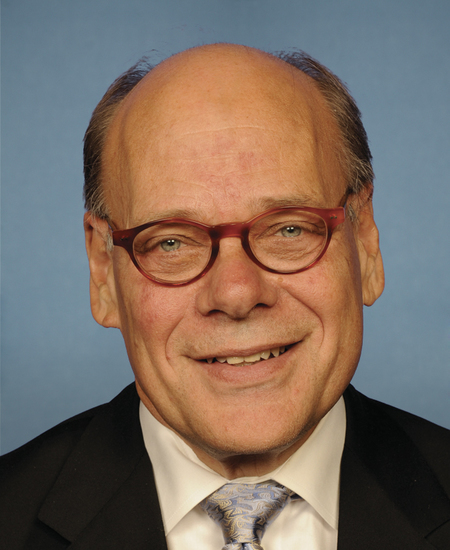
119th Congress Introduced by Steve Cohen and 7 co-sponsors

Establishes mandatory side underride guards on new trailers and trucks with performance standards to prevent intrusions and involve VRUs, plus data, research, and enforcement.

Referred to the Subcommittee on Highways and Transit.
0
WeVote Research Nonpartisan
Bill Summary · HR 7354

Summary of HR 7354 (119th Congress) – Stop Underrides Act 2.0

Proposed by: Rep. Cohen (and co-sponsors) | Date introduced: February 4, 2026

Purpose: To reduce deaths and injuries from underride crashes by establishing a comprehensive underride protection framework for trailers, semitrailers, and single-unit trucks, and to strengthen data, research, and enforcement related to underride crashes. The bill aims to improve safety for motor carriers, passengers, and Vulnerable Road Users (VRUs).

1) Main purpose and intent

  • Reduce fatal and nonfatal underride crashes where a passenger vehicle or VRU slides under the side, rear, or front of a larger truck.
  • Create a nationwide, enforceable standard for side underride protection, with performance criteria intended to protect occupants and VRUs.
  • Increase transparency and coordination through advisory committees, research publications, and public access to underride data.

2) Key provisions and changes

A. Definitions and regulatory framework

  • Introduces and defines key terms: passenger motor vehicle, semitrailer, trailer, single unit truck, side underride guard, front underride guard, rear underride guard, and Vulnerable Road User.
  • Expands 49 U.S.C. definitions to align with underride concepts.

B. Rulemaking – Side underride guards

  • Adds new Section 30130 to Title 49:
    • Secretary must finalize regulations within 18 months of enactment.
    • Regulations require side underride guards on new trailers, semitrailers, and single-unit trucks.
    • The side underride guards must meet a specified performance standard:
    • Up to 40 mph closing impact should not allow intrusion into the occupant survival space of a passenger vehicle struck perpendicularly to the trailer/truck.
    • Guards must impede VRUs from sliding underneath the vehicle.
    • Guards may be designed to aid fuel efficiency through aerodynamic integration.
    • Cost-benefit analyses must include:
    • Estimated deaths/injuries prevented.
    • Net fuel savings (difference between fuel consumption with the new standard vs. current adoption rates of aerodynamic side skirts without guards).

C. Compliance timeline

  • Full compliance with the new/updated standard required within 2 years after finalization of the regulations.

D. Advisory Committee on Underride Protection

  • Re-convenes the Advisory Committee (originally established under the Infrastructure Investment and Jobs Act).
  • Expands and refines its focus:
    • Adds family members of underride crash victims as advisory participants.
    • Requires more frequent meetings (monthly via remote platform until final regulations; annually in-person at DOT HQ; and annually in-person afterward).
    • Allows deliberative materials to be shared.
    • Terminates the committee on September 30, 2031.

E. Public dissemination and research

  • Requires the Secretaries to publish a public website with:
    • DOT underride research (rear, side, and front guards).
    • Linkage to the Advisory Committee data.
    • Underride rulemaking information, victim stories, and data on underride crashes.

F. Studies by NASM and GAO

  • National Academies of Sciences, Engineering, and Medicine must study the prevalence and prevention of front-vehicle underride crashes, reporting back within 180 days after study completion, with recommendations on:
    • Prevention of front-end underride crashes.
    • Efficacy of front underride devices.
    • Historical crash statistics since 2010 (types of vehicles, roads, fatalities).
  • GAO must study the implementation of the 2022 rear impact guard rule, offering recommendations for improvements if needed, and strategies to prevent rear underride crashes.

G. FARS and law-enforcement training

  • Requires a review of the Fatality Analysis Reporting System (FARS) to assess underride crash reporting at state/local levels and identify underreported cases.
  • Develops free, web-based training for state/local law enforcement on identifying and documenting underride crashes.

H. Miscellaneous

  • Updates related regulatory and administrative references to reflect new underride provisions.
  • Publication and reporting requirements are designed to be publicly accessible and periodically updated.

3) Who or what would be affected

  • Manufacturers and suppliers of commercial motor vehicles (trailers, semitrailers, single-unit trucks) – must comply with new side underride guard standards.
  • Motor carriers and fleet operators – impacted by new installation requirements and compliance timelines.
  • Vulnerable Road Users (VRUs) and passenger vehicle occupants – potential safety improvements due to enhanced side underride protection.
  • Federal agencies (DOT, NHTSA) – new rulemaking deadlines, compliance enforcement, advisory committee duties, and data/publication obligations.
  • Researchers, NASM, GAO, and the general public – expanded access to underride research, victim stories, and data.

4) Procedural and timeline aspects

  • Rulemaking: Finalization of side underride guard standards within 18 months; full compliance within 2 years after final regulations.
  • Advisory Committee: Re-convened within 180 days; ongoing meetings with expanded participation; terminates in 2031.
  • Public reporting: Establishes a DOT website and quarterly updates for underride resources.
  • Studies: NASM study due within 1 year to start, with a 180-day NASM report; GAO study due within 1 year, with a 180-day follow-up report.
  • FARS review and web-based training for law enforcement: Review within 1 year; web training available within 18 months.

This summary provides a concise overview of the Stop Underrides Act 2.0, focusing on its safety goals, the concrete regulatory changes proposed, who is affected, and the scheduling of key actions.

Compiled from official sources — confirm details with the bill’s official record.

Sign in to ask a question.