

WeVote

Bill

Bill

HR 3912

Stop the Baseline Bloat Act of 2025

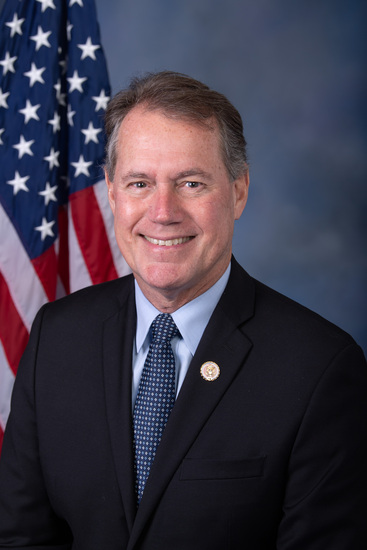
119th Congress Introduced by Ed Case and 7 co-sponsors

The Stop the Baseline Bloat Act of 2025 limits federal budget increases, promoting fiscal responsibility and potentially easing the tax burden on citizens.

Introduced in House
0
WeVote Research Nonpartisan
Bill Summary · HR 3912

Summary of HR 3912: Stop the Baseline Bloat Act of 2025

Purpose and Intent

The Stop the Baseline Bloat Act of 2025 aims to address concerns regarding the growth of federal spending and budget baselines. The bill seeks to implement measures that would prevent excessive increases in federal budget baselines, thereby promoting fiscal responsibility and accountability in government spending.

Key Provisions

While the specific text of the bill has not been detailed in the provided information, the following key provisions can be anticipated based on the title and intent:

  • Limitations on Baseline Adjustments: The bill likely proposes restrictions on how baseline spending levels are adjusted each year, aiming to curb automatic increases that contribute to budgetary inflation.

  • Fiscal Accountability Measures: It may include requirements for more stringent reviews of proposed budget increases, ensuring that any adjustments are justified and necessary.

  • Reporting Requirements: The legislation could mandate regular reporting on spending trends and baseline adjustments to enhance transparency and allow for public scrutiny.

Affected Parties

The Stop the Baseline Bloat Act of 2025 would primarily impact:

  • Federal Agencies: Agencies may face stricter guidelines on budget requests and spending, potentially leading to more careful financial planning and resource allocation.

  • Taxpayers: By aiming to control federal spending growth, the bill could ultimately benefit taxpayers by reducing the fiscal burden and promoting more efficient use of taxpayer dollars.

  • Legislators: Members of Congress will need to adapt to new procedures for budget approval and adjustments, which may require additional oversight and justification for spending increases.

Legislative Process and Timeline

  • Introduced: The bill was introduced in the House on June 11, 2025.

  • Committee Referral: On the same day, it was referred to the House Committee on the Budget for further consideration and discussion.

Sponsors

The bill is sponsored by a bipartisan group of legislators, including:

  • Primary Sponsor: Glenn Grothman
  • Cosponsors:
    • Ron Estes
    • Ed Case
    • Jared F. Golden
    • Marie Gluesenkamp Perez
    • Ralph Norman
    • Ben Cline
    • Adam Gray

This diverse sponsorship indicates a collaborative effort to address fiscal issues across party lines.

Conclusion

The Stop the Baseline Bloat Act of 2025 represents a significant legislative effort to rein in federal spending and promote fiscal discipline. As it progresses through the legislative process, further details will emerge that will clarify its specific provisions and potential impacts on federal budgeting practices.

Compiled from official sources — confirm details with the bill’s official record.

Sign in to ask a question.