

STOP SQUATTERS ACT
SB 1985 - STOP SQUATTERS ACT Bill SummaryThe STOP SQUATTERS ACT, or Senate Bill 1985, is a legislative proposal introduced on March 06, 2025. The main purpose of this bill is to st
The STOP SQUATTERS ACT, or Senate Bill 1985, is a legislative proposal introduced on March 06, 2025. The main purpose of this bill is to strengthen legal protections for property owners against unlawful occupation of their property by squatters.
The bill includes the following key provisions:
Expanded Definition of Squatting: The bill provides a more comprehensive definition of "squatting", encompassing any unauthorized occupation of a property, including abandoned or foreclosed homes.
Expedited Eviction Process: The legislation establishes an accelerated legal process for property owners to quickly remove squatters from their premises. This includes reduced waiting periods and simplified documentation requirements.
Increased Penalties: The bill introduces harsher penalties for squatting, including higher fines and potential jail time for repeat offenders. It also allows property owners to seek compensation for damages caused by squatters.
Law Enforcement Assistance: The legislation mandates that local law enforcement provide timely assistance to property owners in removing squatters, with failure to do so potentially resulting in civil liability.
The STOP SQUATTERS ACT is primarily aimed at protecting the rights of property owners, including individual homeowners, landlords, and businesses that own real estate. However, the bill could also impact individuals or groups who have been occupying properties without the owner's consent, as they would face increased legal consequences.
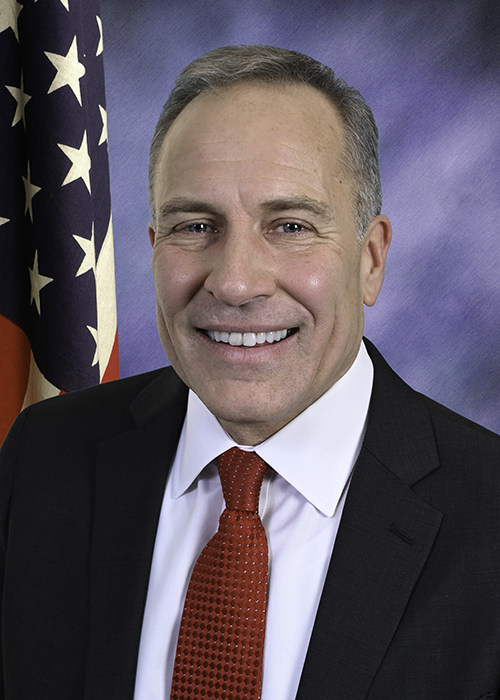
If enacted, the STOP SQUATTERS ACT would go into effect 90 days after being signed into law. The bill has been introduced in the state legislature and is currently in the co-sponsorship process, with Senator Chris Balkema joining as a co-sponsor. The next step would be for the bill to be assigned to a relevant committee for review and potential amendments before being scheduled for a vote in the full legislature.
Compiled from official sources — confirm details with the bill’s official record.
Sign in to ask a question.