

WeVote

Bill

Bill

HR 1557

Stop Sexual Harassment in K–12 Act

119th Congress Introduced by Sean Casten and 3 co-sponsors

Requires K–12 schools to adopt clear anti-harassment policies, train staff and students, establish reporting and investigation procedures, and protect reporters to curb harassment.

Introduced in House
0
WeVote Research Nonpartisan
Bill Summary · HR 1557

Summary of HR 1557 — Stop Sexual Harassment in K–12 Act

Overview

  • Bill Number: HR 1557
  • Title: Stop Sexual Harassment in K–12 Act
  • Status: Introduced in the U.S. House of Representatives
  • Introduced: February 25, 2025
  • Classification: Bill
  • Legislative Actions to Date:
    • Referred to the House Committee on Education and Workforce (2025-02-25)
    • Introduced in the House (2025-02-25)
  • Sponsors:
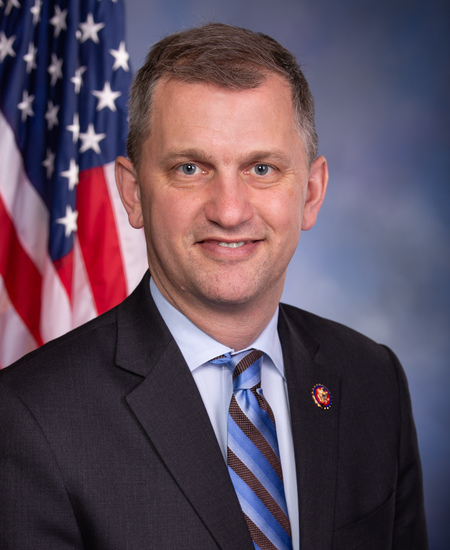
    • Primary: Sean Casten
    • Cosponsors: Jahana Hayes, Dina Titus, Lois Frankel

Purpose and Intent

The bill is designed to address and prevent sexual harassment in K–12 educational settings. By focusing on the safety and well-being of students, the measure aims to establish clearer standards, reporting mechanisms, and accountability to reduce occurrences of sexual harassment and ensure safe learning environments for all students.

Key Provisions (Indicative Based on the bill’s title; exact text not provided here)

Because the full statutory text is not included in the provided information, the following provisions reflect common elements found in comparable anti-harassment K–12 legislation and the bill’s stated goal. The actual bill may include some or all of these features, in different form:

  • Definitions and Scope: Clear definition of sexual harassment as it applies to K–12 settings, including actions by students, staff, and third parties.
  • Policies and Procedures: Requirement for local educational agencies (LEAs) to adopt comprehensive anti-harassment policies that include prohibited conduct, complaint procedures, confidentiality protections, and timelines for investigations.
  • Prevention and Training: Mandated annual training for school staff, administrators, and students on recognizing, preventing, and reporting sexual harassment.
  • Reporting and Investigations: Mandatory reporting channels for students and staff, with specified investigation timelines and due-process considerations.
  • Accountability and Remedies: Mechanisms to address verified incidents, including corrective actions, discipline, and support services for affected students.
  • Data Collection and Transparency: Systematic collection of harassment data and regular reporting to a federal department or agency; public reporting to improve transparency.
  • Protection Against Retaliation: Strong protections for individuals who report harassment or participate in investigations.
  • Funding and Grants: Potential federal funding or grants to assist districts in implementing prevention programs, training, and compliance activities.
  • Coordination and Oversight: Roles for the U.S. Department of Education or relevant agencies in oversight, guidance, and enforcement, with potential coordination with state education agencies.

Who Would Be Affected

  • K–12 schools and local education agencies (LEAs), including school administrators and teachers
  • Students and families in K–12 settings
  • State education agencies responsible for implementing or aligning with federal guidelines
  • Private schools receiving federal funding or participating in federal programs (depending on the bill’s scope)

Procedural and Timeline Considerations

  • Currently in the introductory stage and referred to the House Committee on Education and Workforce.
  • If advanced, potential committee hearings, markup, and floor action would follow, subject to committee and Congressional calendars.
  • Specific effective dates, funding authorizations, and phase-in periods would be specified in the enacted text.

Notes

  • The summary reflects the bill’s title, sponsor information, and standard provisions typically associated with efforts to stop sexual harassment in K–12 settings. For precise, text-specific provisions, definitions, funding levels, and effective dates, consult the official bill text and amendments as they become available.

Compiled from official sources — confirm details with the bill’s official record.

Sign in to ask a question.