

WeVote

Bill

Bill

HR 8670

Stop Oil Exports to Lower Gas Prices Act

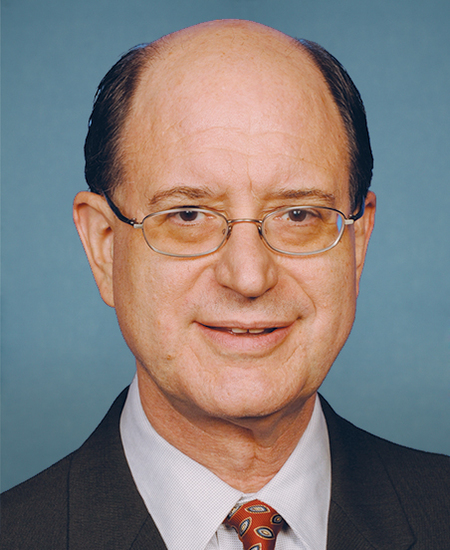
119th Congress Introduced by Brad Sherman

Prohibits U.S. exports of crude oil, gasoline, and diesel during Iran-related military operations until Hormuz reopening and shipping resume.

Introduced in House
0
WeVote Research Nonpartisan
Bill Summary · HR 8670

Purpose and intent

  • The Stop Oil Exports to Lower Gas Prices Act aims to prohibit the export of crude oil, gasoline, and diesel fuel during a defined period of military operations against Iran.
  • The measure is titled to suggest it intends to help lower domestic gas prices by restricting exports during times of military action.

Key provisions and changes

  • Legal change: Amends Section 101 of division O of the Consolidated Appropriations Act, 2016 (42 U.S.C. 6212a) to add a new subsection (f) with an “Additional Exception.”
  • Prohibition on exports: The export of crude oil, gasoline, and diesel fuel is prohibited during the period starting on the enactment date and ending when:
    • The President declares that military operations against Iran (which began in March 2026) have ceased; and
    • The President certifies to Congress that the Strait of Hormuz is fully open and global shipping through the Strait has resumed.
  • Waiver mechanism: The President may waive the export prohibition if:
    • The President determines that crude oil cannot be efficiently refined in the United States.
    • If a waiver is issued, a license must be provided for the export under the waiver, and the exported crude oil must be refined abroad and then imported back into the United States.

Who/what would be affected

  • Exports: The bill would directly affect the export of crude oil, gasoline, and diesel fuel from the United States during the specified period.
  • Domestic market impact: By restricting exports during military operations, domestic supply and potentially domestic gasoline/diesel prices could be influenced, depending on market dynamics.
  • Federal oversight: The President holds waiver authority and would determine when to end the prohibition and issue any waivers, with certification to Congress regarding Hormuz Strait reopening and resumed global shipping.

Procedural and timeline aspects

  • Introduction: May 7, 2026, by Rep. Sherman; referred to the House Committee on Foreign Affairs.
  • Enactment window: Begins on the date of enactment of the subsection and ends when the President:
    • Declares cessation of Iranian military operations, and
    • Certifies Hormuz Strait is fully open with resumed global shipping through the Strait.
  • Waiver process: If waived, requires a presidential license and that the refined product be produced abroad and imported back into the U.S.
  • Status: As of the latest available information, the bill has been introduced and referred to committee; no further floor action or passage status is indicated.

Potential considerations (non-technical)

  • Effects on energy markets: The prohibition could influence domestic supply chains, refinery operations, and prices, depending on how long the period lasts and market responses.
  • International dynamics: The measure ties U.S. exports to a geopolitical event and its maritime chokepoints (Strait of Hormuz), potentially affecting global oil markets and allies’ responses.
  • Implementation questions: How the prohibition would be monitored and enforced, and the practicalities of waivers and international refiners involved in any foreign processing.

Compiled from official sources — confirm details with the bill’s official record.

Sign in to ask a question.