

WeVote

Bill

Bill

HR 7766

Stop Militarizing Law Enforcement Act

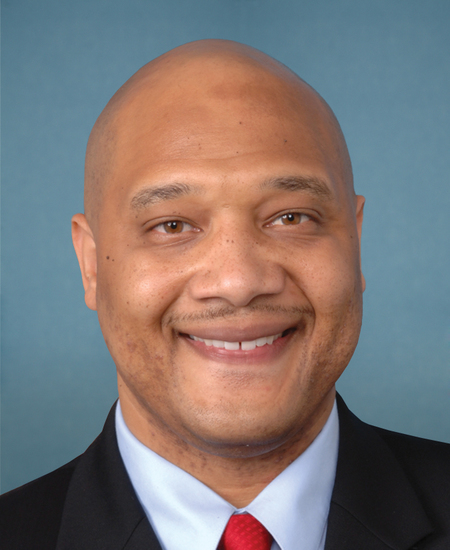
119th Congress Introduced by André Carson and 22 co-sponsors

HR 7766 would curb transfers of military-grade gear and training to local police, boost oversight, and promote civilian-focused policing over militarized tactics.

Introduced in House
0
WeVote Research Nonpartisan
Bill Summary · HR 7766

Overview

HR 7766, titled the Stop Militarizing Law Enforcement Act, is a proposed federal bill introduced in the 119th Congress. It aims to curtail the transfer and use of military equipment and training for domestic law enforcement agencies, addressing concerns about the militarization of policing. The bill has a bipartisan slate of co-sponsors and was referred to the House Committee on Armed Services on March 3, 2026.

Purpose and Intent

  • Limit or redefine how military equipment and resources are provided to federal, state, and local law enforcement.
  • Reduce the presence and use of military-style gear, vehicles, and tactics in civilian policing.
  • Reassess the scope of DoD-related programs that support local law enforcement to emphasize civil liberties, public safety, and non-military approaches.

Key Provisions and Changes (as typically associated with militarization-reduction bills)

Note: The summary below outlines common elements such bills pursue. The exact text of HR 7766 should be consulted for precise language and any unique provisions.

  • Restrictions on Equipment Transfers:

    • Prohibitions or strict limits on the transfer of military-grade equipment (e.g., assault rifles, armored vehicles, tactical gear) from federal to state or local law enforcement.
    • Mandatory review or approval processes for certain categories of equipment transfers.
  • Training and Programs:

    • Reassessment or curtailment of DOD-sponsored programs that provide military-style training to law enforcement.
    • Potential expansion of civilian or community-oriented policing training and alternatives to militarized tactics.
  • Oversight and Accountability:

    • Enhanced reporting requirements to Congress on equipment grants, purchases, and loans to law enforcement.
    • Independent or inspector-general-style reviews of programs that enable militarization.
    • Public transparency measures regarding grants, acquisitions, and deployments of military-style equipment.
  • Definitions and Scope:

    • Clear definitions of what constitutes “military equipment” and “militarization” to guide compliance.
    • Clarifications on the roles of federal agencies (e.g., DoD, DHS) in equipment transfers and joint training.
  • Sunset or Review Provisions:

    • Possible sunset clauses or periodic reauthorization requirements to reassess the impact of remaining programs.
    • Requirements for demonstrating effectiveness and civil-liberties safeguards.

Who Would Be Affected

  • Federal, state, and local law enforcement agencies that participate in DoD or federal programs involving equipment transfers, training, or joint exercises.
  • Departments of Defense, Homeland Security, and related federal entities administering grant programs or equipment loan initiatives.
  • Communities and the public, potentially through changes in policing practices, transparency, and accountability mechanisms.
  • Contractors and vendors involved in supplying equipment or services under militarization programs.

Procedural and Timeline Aspects

  • Introduced: March 3, 2026.
  • Referred to: House Committee on Armed Services (potential subsequent referral to relevant subcommittees for jurisdiction over equipment transfers, policing programs, and civil-military relations).
  • Next steps typically include committee hearings, markups, and potential amendments before floor consideration. If enacted, the bill would be implemented according to a defined schedule in the text, with compliance timelines for agencies to adjust procurement and training programs.

Potential Impacts and Considerations

  • Public Safety and Civil Liberties: Aimed at reducing the use of military-style tactics in routine policing, potentially improving civil-liberties protections and community trust.
  • Budgets and Procurement: Could slow or redirect funding and equipment purchases, influencing budget planning for police departments and federal grant programs.
  • Oversight and Transparency: Likely increases in reporting and accountability requirements, enabling greater Congressional and public scrutiny.
  • Implementation Challenges: Transitioning away from established programs may require alternative training, resources, and community policing initiatives.

Summary

HR 7766 seeks to Stop Militarizing Law Enforcement by constraining the transfer of military equipment and military-style training to domestic policing, enhancing oversight, and promoting civilian-focused approaches. It would affect federal-to-local equipment programs, training initiatives, and related oversight mechanisms, with potential broad implications for law enforcement practices, accountability, and community relations. For precise provisions, definitions, and timelines, the bill text and committee reports should be reviewed.

Compiled from official sources — confirm details with the bill’s official record.

Sign in to ask a question.