

WeVote

Bill

Bill

HR 9367

Stop Lawmakers From Predicting Act

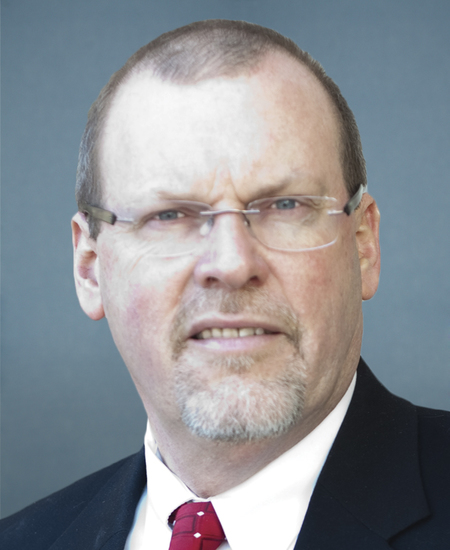
119th Congress Introduced by Morgan Griffith and 4 co-sponsors

Prohibits Members of Congress and their families from trading in prediction markets tied to government policy or political outcomes.

Introduced in House
0
WeVote Research Nonpartisan
Bill Summary · HR 9367

Overview

HR 9367, the Stop Lawmakers From Predicting Act, introduced June 18, 2026, would prohibit Members of Congress, their spouses, and dependent children from engaging in trading or entering into prediction-market-based financial arrangements related to government policy, actions, or political outcomes. The bill adds a new subchapter to Chapter 131 of title 5, United States Code, establishing definitions, prohibitions, enforcement mechanisms, and penalties. It would take effect 180 days after enactment.

Main purpose and intent

  • Prevent Members of Congress and immediate family members from profiting off prediction markets tied to federal policy or political events that are connected, directly or indirectly, to their service in Congress.
  • Increase ethical standards and reduce potential conflicts of interest or perceived influence arising from financial speculation on government decisions.

Key provisions and changes

  • Creation of Subchapter IV—Restrictions on Trading on Prediction Markets:
    • §13151. Definitions
    • Defines “covered individual” to include:
      • A Member of Congress
      • A dependent child or spouse of a Member
    • Defines “supervising ethics office.”
    • §13152. Trading on prediction markets
    • Prohibits covered individuals from entering into or offering to enter into any contract or transaction whose value depends on:
      • The occurrence or nonoccurrence of a specific government policy
      • A government action
      • A political outcome
      • Any event that has come to the attention of the covered individual due to their service in Congress
    • §13153. Enforcement
    • Establishes penalties (fees) for violations, assessed by the supervising ethics office and charged to the responsible Member or related family member.
    • Fee calculation includes:
      • The greater of $2,000 or 10% of the value of the violative transaction
      • Plus any net gain realized from the transaction during the covered period
    • Prohibits payment of penalties from:
      • Members’ Representational Allowance
      • Senators’ Official Personnel and Office Expense Account
      • Political contributions or other campaign-related funds
    • Clarifies proceeds go to the U.S. Treasury as miscellaneous receipts
    • Authorizes referral of former Members to the Department of Justice for nonpayment or related issues
    • Allows interpretative guidance from the supervising ethics office
  • Table of contents updated to include:
    • 13151. Definitions
    • 13152. Trading on prediction markets
    • 13153. Enforcement
  • Effective date: Provisions take effect 180 days after enactment.

Who would be affected

  • Primary: Members of Congress
  • Secondary: Dependent children and spouses of Members
  • Administrative: Supervising Ethics Office, with authority to interpret guidance and enforce penalties

Procedural and timeline aspects

  • Introduced in the House and referred to the Committee on House Administration on June 18, 2026.
  • If enacted, the new restrictions would become effective 180 days after enactment.
  • Enforcement relies on the Supervising Ethics Office to assess penalties and oversee compliance; penalties are paid by the implicated Member or family member, not from certain official funds or campaign contributions.

Potential impact

  • Creates a clear statutory barrier against trading on prediction markets that are influenced by federal policy or political outcomes.
  • Establishes financial penalties and an enforcement framework to deter violations.
  • Aims to bolster public trust by addressing potential conflicts of interest and reducing opportunities for lawmakers to profit from insider knowledge or policy outcomes.

Compiled from official sources — confirm details with the bill’s official record.

Sign in to ask a question.