
BILL • US HOUSE
Stop Illegal Entry Act of 2025
119th Congress
Received in the Senate.
BILL • US HOUSE
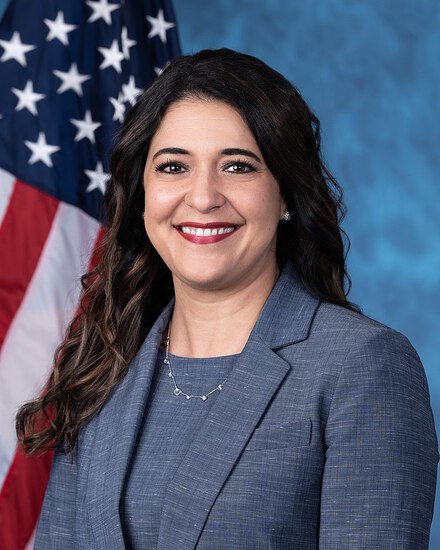
The Stop Illegal Entry Act of 2025 (H.R. 3486), introduced by Representative Stephanie Bice (R-OK-5) on May 19, 2025, seeks to enhance penalties for individuals who illegally enter or reenter the United States. The bill proposes:
A mandatory minimum prison term of 5 years, with the possibility of life imprisonment, for individuals who illegally enter or attempt to enter the U.S. and are subsequently convicted of a felony.
An increase in the maximum imprisonment term for repeated illegal entry from 2 to 5 years.
An increase in the maximum imprisonment term for individuals who had been denied entry or removed from the U.S. and later reenter or attempt to reenter without prior approval, from 2 to 10 years.
An increase in the maximum imprisonment term from 10 to 15 years for individuals who had been denied entry or removed and were convicted of three or more specified types of misdemeanors before removal.
A fine, imprisonment for up to 10 years, or both, for individuals who had been denied entry or removed three or more times and later reenter or attempt to reenter the U.S.
A mandatory minimum term of imprisonment of 10 years, with the possibility of life imprisonment, for individuals who were convicted of a felony before removal or convicted of illegal reentry at least two times before removal and subsequently reenter or attempt to reenter the U.S.
The bill has been reported by the Committee on Judiciary and placed on the Union Calendar, Calendar No. 163, as of July 15, 2025. (congress.gov)
The Stop Illegal Entry Act of 2025 aims to deter illegal immigration by imposing stricter penalties on individuals who illegally enter or reenter the United States, particularly those with prior criminal convictions or multiple removal orders. By increasing mandatory minimum sentences and maximum imprisonment terms, the bill seeks to enhance border security and uphold the rule of law.
Increased incarceration costs: Implementing longer prison sentences may lead to a significant rise in federal prison populations, resulting in higher taxpayer expenses for incarceration.
Disproportionate impact on nonviolent offenders: Mandatory minimum sentences could disproportionately affect individuals without violent criminal histories, potentially leading to lengthy sentences for nonviolent offenses.
Humanitarian concerns: The bill may affect individuals fleeing violence or persecution, raising questions about the adequacy of due process and potential conflicts with international human rights obligations.
Diplomatic relations: Subjecting nationals from neighboring countries to extended U.S. incarceration could strain diplomatic relations and impact bilateral cooperation on immigration matters.
Effectiveness in deterrence: There is debate over whether increased penalties will effectively deter illegal immigration or if alternative measures, such as comprehensive immigration reform, would be more effective.
Hi! I'm your AI assistant for HR 3486. I can help you understand its provisions, impacts, and answer any questions.

We're glad to see you!
New to WeVote? Claim your Voter Profile now!
Are you an elected rep? Claim account
Join thousands of verified voters to weigh in.
Already have an account? Log in
Are you an elected rep? Claim account
No worries! Enter your email and we'll send you reset instructions.
Remember your password? Back to Login
Your email address has not been confirmed yet. Please check your inbox or request a new confirmation link below.
Didn't receive the email?
Already confirmed? Back to Login
You need to take action to continue.
You're currently in
Joining this room will disconnect you from the current one.
The meeting has ended.