

WeVote

Bill

Bill

HR 10027

Stop ICE’s Medical Neglect Act of 2026

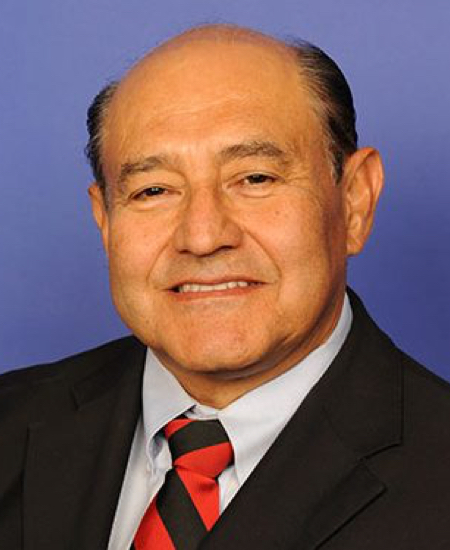
119th Congress Introduced by Lou Correa and 1 co-sponsor

Creates a public online platform for detainees to report medical neglect, reviewed by contracted medical experts, with appeal to CRCL and anti-retaliation protections.

Introduced in House
0
WeVote Research Nonpartisan
Bill Summary · HR 10027

Executive summary

HR 10027, the Stop ICE’s Medical Neglect Act of 2026, would require the Department of Homeland Security (DHS) to create a publicly accessible online platform for detainees in ICE and CBP facilities to submit complaints alleging medical neglect. The bill establishes a process for review by a contracted medical expert, potential referrals to the Department of Homeland Security’s Office for Civil Rights and Civil Liberties (CRCL) on appeal, protections against retaliation, and requirements for language interpretation. It defines key terms and sets parameters for who can file complaints and what constitutes medical neglect. The overall aim is to improve accountability and timely medical care for noncitizen detainees.

Purpose and intent

  • Create a formal mechanism for detainees and their representatives to report alleged medical neglect in DHS detention facilities.
  • Ensure independent review of complaints by qualified medical experts.
  • Provide avenues for corrective action and potential civil rights oversight if initial reviews find no neglect.
  • Protect detainees from retaliation for filing complaints or communicating with legal representatives or Congress.
  • Improve accessibility through language interpretation services.

Key provisions and changes

  • Complaint submission platform (Section 2):

    • DHS must establish a publicly accessible online platform for detainees to file complaints about medical neglect at the covered facility.
    • Eligible filers include: detainees, their legal counsel, and family members filing on the detainee’s behalf.
    • Required information for a complaint includes detainee name, alien registration number, facility name, and a description of the alleged neglect.
    • Complaints submitted must be confidential and not shared without the detainee’s consent.
  • Review process (Section 2, subsections on review):

    • Complaints must be reviewed by a contracted medical expert to determine if medical neglect occurred.
    • If neglect is determined, DHS must ensure the detainee receives necessary medical treatment.
    • If no neglect is found, the detainee may appeal the determination to DHS’s Office for Civil Rights and Civil Liberties (CRCL) for further review.
    • DHS must provide updates on the status of complaints on the platform.
  • Retaliation protection (Section 2, subsection d):

    • Prohibits retaliation or adverse treatment against detainees for submitting complaints, communicating with legal counsel, or corresponding with Congress about detention conditions or medical care.
  • Interpretation services (Section 2, subsection e):

    • DHS must provide language translation services to detainees.
  • Definitions (Section 2, Section 6):

    • Covered facility: Any facility where noncitizens are held by DHS under immigration law, including facilities with detention contracts, facilities operated by DHS, or spaces used to detain noncitizens for more than 4 hours.
    • Contracted medical expert: A licensed, board-certified medical professional with specified qualifications and experience in detention settings, capable of on-site care or telehealth, and able to critique and address complaints.
    • Medical neglect: Failure to provide timely access to medically necessary care or follow-up, continuity of treatment and medication, relevant referrals, medication management, or addressing systemic deficiencies in patient care.

Who is affected

  • Noncitizen detainees held in DHS facilities (ICE and CBP) identified as “covered facilities.”
  • Detainees’ legal counsel and family members who file complaints on their behalf.
  • DHS personnel and contractors responsible for medical care and facility operations.
  • Contracted medical experts (new role) who review complaints.
  • DHS’s Office for Civil Rights and Civil Liberties (CRCL) may handle appeal reviews if initial determinations find no neglect.
  • Facilities and contractors subject to updated oversight and transparency requirements.

Procedural and timeline aspects

  • Introduction date: August 3, 2026.
  • Referral to the Judiciary Committee and the Homeland Security Committee for consideration (timing determined by the Speaker).
  • The bill outlines a continuous process: filing of complaints, medical expert review, potential detainee remedies, appeals to CRCL, and ongoing updates on the platform.
  • Confidentiality and anti-retaliation provisions are designed to be ongoing protections tied to each complaint.
  • Translation and accessibility provisions are to be implemented as part of the platform and related services.

Potential impact and considerations

  • Could improve oversight of medical care in detention facilities and provide detainees with a formal grievance mechanism.
  • Establishing a contracted medical expert role introduces an independent review layer, potentially increasing accountability for timely medical treatment.
  • The appeals pathway to CRCL creates a secondary civil rights review channel for unresolved concerns.
  • Privacy and confidentiality protections are emphasized, but implementation will require robust data handling and security measures.
  • The effectiveness will depend on funding, capacity of the contracted medical experts, and integration with existing DHS medical and healthcare protocols.

Compiled from official sources — confirm details with the bill’s official record.

Sign in to ask a question.