

Bill
Sponsor avatar

BILL • US SENATE

S 4544

Stop Fueling Cartel Violence Act

119th Congress
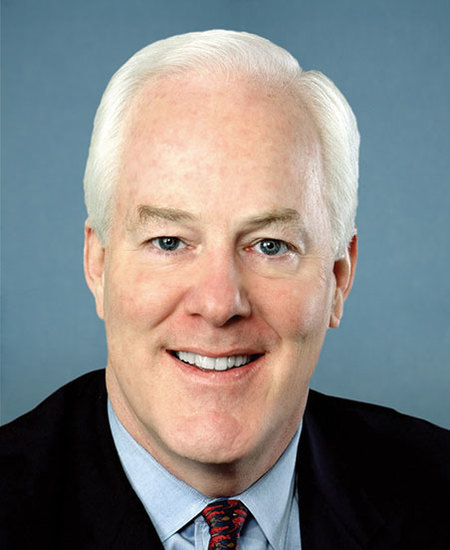
Introduced by John Cornyn, Jacky Rosen,

The bill aims to counter hydrocarbon theft and smuggling by transnational cartels, prioritizing it within U.S. counterdrug and counter–transnational crime efforts and requiring a D

Introduced in Senate
0
0
Bill Summary · S 4544

Stop Fueling Cartel Violence Act (S.4544, 119th Congress)

Purpose and intent

  • The bill authorizes and formalizes a U.S. government effort to counter the trafficking, theft, and illicit movement of hydrocarbon products (e.g., crude oil, diesel, gasoline, refined petroleum) committed by transnational criminal organizations (TCOs) based in Mexico.
  • It emphasizes treating hydrocarbon theft and related smuggling as a priority within the broader counterdrug and counter–transnational organized crime strategy.

Key provisions and changes

  • Short title: The act may be cited as the Stop Fueling Cartel Violence Act.
  • Findings (Sec. 2): Establishes the scale and impact of hydrocarbon theft tied to Mexican cartels (CJNG, Sinaloa Cartel, Gulf Cartel, Northeast Cartel) and notes:
    • Theft includes clandestine pipeline taps, refinery raids, hijackings, bribes, and networked front companies.
    • Estimated 987 million liters of fuel stolen in 2024 (significantly higher than 2019).
    • Resulting loss of revenue for Mexico; potential tax revenue losses estimated around $24 billion annually.
    • CJNG and other groups are sanctioned for related activities; narcotics and fuel theft networks intersect with fentanyl and other illegal trade.
    • DoD capabilities and surveillance assets used for counterdrug efforts could be applicable to hydrocarbon smuggling.
  • Sense of Congress (Sec. 3):
    • Reaffirms that hydrocarbon theft and cross-border trafficking pose significant national security and public safety risks.
    • Calls for prioritizing the trafficking of stolen hydrocarbons within U.S. counterdrug and counter–transnational crime strategies.
  • Report on countering cartel hydrocarbon smuggling (Sec. 4):
    • Requisite report due within 180 days of enactment to the congressional defense committees.
    • Contents of the report:
    • Detailed description of DoD activities under section 284 of Title 10 (and other DoD authorities) aimed at denying, disrupting, or degrading TCOs engaged in hydrocarbon theft and movement.
    • Recommendations for future actions, including:
      • Capacity building with partner national security forces (pursuant to 10 U.S.C. §333).
      • Information sharing with civilian U.S. government agencies involved in countering TCOs.
      • Assessments of key nodes in TCO networks involved in hydrocarbon smuggling.
      • Non-kinetic activities to deny, disrupt, or degrade smuggling activities.
      • Assessment of resources used to conduct these activities.
    • Definition of “hydrocarbon products” (Sec. 4(b)): Includes crude oil, condensates, and related products classified under Harmonized Tariff Schedule heading 2709.00, including unprocessed crude oils and reconstituted crude petroleum.

Who/what would be affected

  • National security and defense establishments, notably the Department of Defense and related interagency partners, which would be responsible for implementing and reporting on counter-hydrocarbon smuggling activities.
  • U.S. Congress and defense committees, which would receive the mandated report and assess future activities and resource needs.
  • Transnational criminal organizations (TcOs) involved in hydrocarbon theft and smuggling (e.g., CJNG, Sinaloa Cartel, Gulf Cartel, Northeast Cartel) and their networks, due to potential enhanced U.S. oversight, sanctions, and countermeasures.
  • Partner nation security forces that could participate in capacity-building efforts (as contemplated under 10 U.S.C. §333).

Procedural and timeline aspects

  • Introduction date: May 14, 2026; referred to the Senate Committee on Armed Services.
  • Report deadline: A comprehensive report is due within 180 days after enactment.
  • Content pathway:
    • Describe current DoD activities under existing authorities to counter the illicit movement of hydrocarbon products.
    • Provide strategic and operational recommendations, including non-kinetic approaches and resource assessments.

Accessibility and implications

  • The bill frames hydrocarbon theft as a security and public safety issue, warranting a structured DoD-led assessment and interagency coordination.
  • It seeks to broaden counter-TCO efforts beyond traditional narcotics to include energy commodities that fund violent criminal networks and potentially trafficked fentanyl operations.
  • There is no new authorization of specific appropriations in the text provided; rather, it mandates reporting and outlines potential areas for future countermeasure actions and capacity-building efforts.

Hi! I'm your AI assistant for S 4544. I can help you understand its provisions, impacts, and answer any questions.

Key Provisions Impacts Timeline
Sign in to chat

Start the Conversation

Be the first to share your thoughts on this petition. Your voice matters!

Share your opinion above