

WeVote

Bill

Bill

S 4176

STOP FRAUD in Medicaid Act

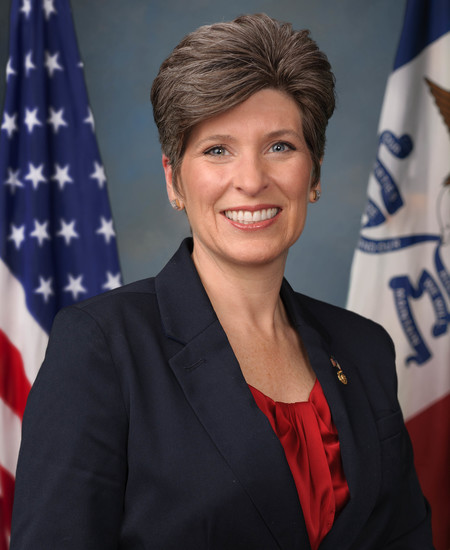
119th Congress Introduced by Joni Ernst and 2 co-sponsors

The bill expands Medicaid Fraud Control Units to investigate and prosecute beneficiary fraud (applicants and recipients) as well as providers, effective 180 days after enactment.

Introduced in Senate
0
WeVote Research Nonpartisan
Bill Summary · S 4176

STOP FRAUD in Medicaid Act (S. 4176, 118th/119th Congress)

Purpose and intent

  • The bill aims to strengthen the enforcement against fraud in the Medicaid program by directing State Medicaid Fraud Control Units (MFCUs) to investigate and prosecute beneficiary fraud.
  • Short title: “States Taking On Power For Redressing All Unlawful Deceits in Medicaid Act” or the “STOP FRAUD in Medicaid Act.”

Key provisions and changes

  • Amendments to title XIX of the Social Security Act:
    1. Section 1903(q)(3) is amended to consistently reference beneficiary-related activity. Specifically:
      • Add terms to include protection and consideration of “the provision of, application for, or receipt of” Medicaid services in relevant subsections.
      • Also expand references to include “applications for, or receipt of” by individuals, in addition to providers, wherever the phrase “the provision of” Medicaid services appears.
    2. Section 1902(a)(61) is amended to similarly expand authorized activities to include “the provision of, application for, and receipt of” Medicaid services.
  • Effective date:
    • The amendments apply beginning 180 days after the enactment of the bill.

Who would be affected

  • State Medicaid Fraud Control Units (MFCUs):
    • The bill broadens the scope of MFCUs to explicitly investigate and prosecute beneficiary fraud, not just provider fraud.
    • By expanding the definitional language in both 1903(q)(3) and 1902(a)(61), MFCUs would have authority to pursue cases involving individuals applying for or receiving Medicaid benefits as part of fraud investigations.
  • Medicaid beneficiaries and applicants:
    • Beneficiaries and applicants could face increased oversight and potential enforcement actions for fraudulent activities related to application, eligibility, or receipt of benefits.

Procedural and timeline aspects

  • Enactment timing:
    • The amendments would take effect 180 days after the date of enactment.
  • Legislative process to date:
    • Introduced in the Senate on March 24, 2026, by Senator Mrs. Moody.
    • Co-sponsored by Senators Joni Ernst, Dave McCormick, and Ashley Moody.
    • Referred to the Senate Committee on Finance.

Additional notes

  • The bill does not create new funding or grant authority by itself; rather, it expands the scope of enforcement for existing MFCUs to include beneficiary fraud.
  • While the text summarized focuses on terminology changes and effective date, the real-world impact would be broader investigative and prosecutorial capacity targeting improper acts by Medicaid applicants and recipients, alongside ongoing provider-focused fraud efforts.

Compiled from official sources — confirm details with the bill’s official record.

Sign in to ask a question.