

WeVote

Bill

Bill

S 5221

Stop Corrupt Trading Act

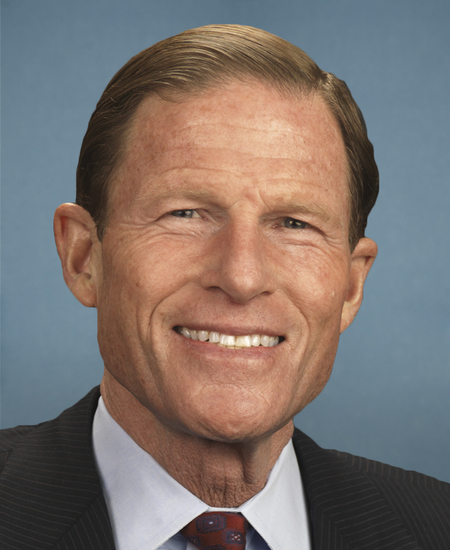
119th Congress Introduced by Richard Blumenthal and 5 co-sponsors

Prohibits trading nonpublic information obtained by the President or VP or their entities for financial gain, with criminal/civil penalties and enforcement.

Read the second time. Placed on Senate Legislative Calendar under General Orders. Calendar No. 536.
0
WeVote Research Nonpartisan
Bill Summary · S 5221

Purpose and intent

  • Bill: S.5221, the Stop Corrupt Trading Act, introduced in the 119th Congress.
  • Main aim: Prohibit the use, purchase, sale, or exchange of nonpublic information obtained through a covered person’s official position for financial gain, and create enforcement mechanisms to deter and remedy such misuse.

Key provisions and changes

  • New criminal statute: Adds a new section 228 to Chapter 11 of Title 18, U.S. Code, addressing misuse of nonpublic information.
  • Definitions:
    • Covered person: The President or Vice President.
    • Covered entity: Any firm, partnership, association, corporation, or other entity controlled by the covered person (directly or indirectly) or in which the covered person holds at least 5% beneficial ownership of equity, profits, or revenue interests.
    • Nonpublic information: Information gained by a covered person in their official position that is not publicly available and that the person knows or should know is not publicly disseminated; includes confidential designations, statutory/regulatory protection from disclosure, and information not authorized for public release. Also covers nonpublic information conveyed through APIs or other means not publicly accessible on equal terms.
  • Prohibited conduct:
    • No sale or exchange of nonpublic information by covered persons or entities for financial benefit.
    • No purchase or other acquisition or exchange of nonpublic information by any person for financial benefit.
  • Penalties and forfeiture:
    • Criminal penalties: For sale/exchange by covered persons/entities (subparagraph A): up to a fine double the value of the transaction, imprisonment up to 5 years, or both. For purchase by others (subparagraph B): up to a fine double the value of the transaction, with no explicit jail term stated (imprisonment not specified for this subparagraph in the text provided).
    • Forfeiture: Proceeds and property derived from the offense may be forfeited to the United States.
  • Civil enforcement and disgorgement:
    • Attorney General may sue to disgorge profits and impose civil penalties (up to the greater of $250,000 or 3x the gain or payment from the conduct), plus equitable relief (injunction, constructive trust) for property traceable to the conduct.
    • Standard of proof: Preponderance of the evidence.
    • Statute of limitations: Actions must be brought within 6 years after the conduct occurred; tolling applies while the President or Vice President holds office.
    • Joint and several liability: Covered entities and any persons knowingly providing something of value in the transaction can be held liable for remedies.
    • Referral: Office of Government Ethics Director must refer credible evidence of conduct to the Attorney General and notify Senate and House Judiciary Committees of referrals.
  • Legislative housekeeping:
    • Adds a new section 228 to the table of sections in Chapter 11.

Who would be affected

  • Covered persons: The President and Vice President.
  • Covered entities: Firms or other entities controlled by the President or Vice President or in which they hold at least 5% economic interest.
  • Other participants: Individuals or entities trading on nonpublic information derived from the covered person's official position.
  • Government ethics and enforcement bodies: Office of Government Ethics and the Department of Justice (Attorney General) would have enforcement and referral roles.

Procedural and timeline aspects

  • Introduction and readings:
    • Introduced August 3, 2026; read first time and placed on the Senate calendar.
    • Read the second time and placed on the Senate Legislative Calendar under General Orders (Calendar No. 536) on August 4, 2026.
  • Enforcement timeline:
    • Civil actions: Subject to a 6-year statute of limitations after the conduct, with tolling during presidential office.
  • Oversight and referrals:
    • Provisions require referrals of credible evidence from the Director of the Office of Government Ethics to the Attorney General and notification to legislative judiciary committees.

Overall, the bill creates a framework to deter misuse of nonpublic information by top executive officials and their associated entities, providing criminal and civil remedies, disgorgement, and heightened enforcement coordination.

Compiled from official sources — confirm details with the bill’s official record.

Sign in to ask a question.