

WeVote

Bill

Bill

HR 747

Stop Chinese Fentanyl Act of 2025

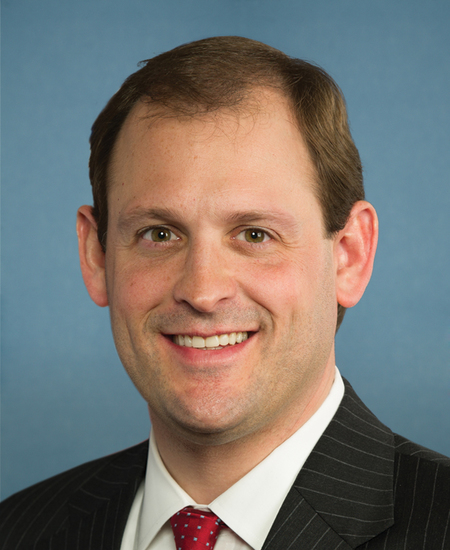
119th Congress Introduced by Andy Barr and 8 co-sponsors

The Stop Chinese Fentanyl Act of 2025 imposes sanctions on Chinese opioid producers, aiming to reduce synthetic opioid trafficking and protect U.S. public health.

Received in the Senate and Read twice and referred to the Committee on Banking, Housing, and Urban Affairs.
0
WeVote Research Nonpartisan
Bill Summary · HR 747

Summary of HR 747: Stop Chinese Fentanyl Act of 2025

Purpose and Intent

The Stop Chinese Fentanyl Act of 2025 aims to impose sanctions on Chinese producers of synthetic opioids and their precursors. The bill seeks to hold Chinese officials accountable for the proliferation of illicit fentanyl, which has significantly contributed to the opioid crisis in the United States. By enhancing regulatory measures and international cooperation, the legislation intends to curb the trafficking of these dangerous substances.

Key Provisions

  1. Sanctions on Chinese Entities:

    • The bill expands the definition of "foreign opioid trafficker" to include any Chinese entity involved in the production, distribution, or financing of synthetic opioids that fails to implement adequate measures to prevent trafficking.
    • It also targets senior officials in the Chinese government who are complicit in opioid trafficking through negligence or inaction.
  2. Collaboration with China:

    • The legislation expresses the sense of Congress that the Chinese government should:
      • Identify unregulated chemicals used in opioid production.
      • Ensure proper labeling of chemical shipments.
      • Implement "know-your-customer" procedures for chemical transactions.
      • Direct relevant Chinese agencies to enforce stricter rules against precursor trafficking.
  3. Amendments to Existing Laws:

    • The bill amends the Fentanyl Sanctions Act to extend the identification period for foreign opioid traffickers from 5 years to 10 years.
    • It also requires periodic evaluations by the President regarding the effectiveness of sanctions and measures taken under the International Emergency Economic Powers Act.
  4. Exemption for Goods Importation:

    • The bill clarifies that sanctions imposed under this act do not extend to the importation of goods, ensuring that legitimate trade is not disrupted.

Affected Parties

  • Chinese Producers and Officials: The primary targets of the sanctions are Chinese manufacturers and government officials involved in the opioid trade.
  • U.S. Law Enforcement and Regulatory Agencies: The bill will require enhanced collaboration and information sharing between U.S. agencies and their Chinese counterparts.
  • Public Health: The legislation aims to protect public health by reducing the availability of synthetic opioids in the U.S. market.

Procedural Aspects

  • Introduced: January 28, 2025
  • House Passage: The bill was passed in the House on September 2, 2025, with a significant majority (407-4).
  • Senate Status: As of September 3, 2025, the bill has been received in the Senate, read twice, and referred to the Committee on Banking, Housing, and Urban Affairs for further consideration.

Conclusion

The Stop Chinese Fentanyl Act of 2025 represents a significant legislative effort to combat the opioid crisis by targeting the sources of synthetic opioids in China. By imposing sanctions and fostering international cooperation, the bill aims to mitigate the impact of these substances on American communities.

Compiled from official sources — confirm details with the bill’s official record.

Sign in to ask a question.