

WeVote

Bill

Bill

HR 9842

State Offices of Women’s Health Support and Expansion Act

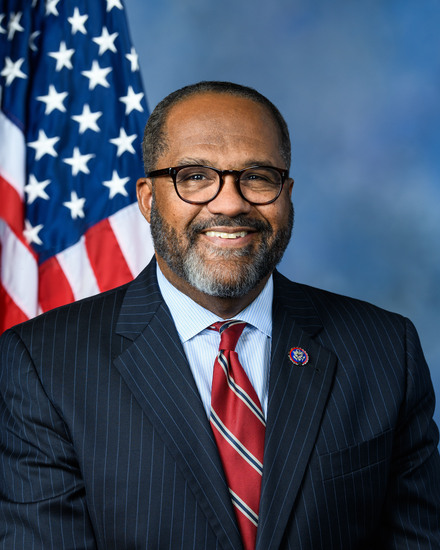
119th Congress Introduced by Troy Carter

Creates and funds state offices of women’s health to lead prevention, education, data, and coordination across states, focusing on reducing disparities.

Introduced in House
0
WeVote Research Nonpartisan
Bill Summary · HR 9842

Summary of HR 9842 (State Offices of Women’s Health Support and Expansion Act)

  • What it aims to do

    • Create a new grant program under the Public Health Service Act to establish and maintain State offices of women’s health. The intent is to strengthen state-level leadership, coordination, and public education on women’s health across the lifespan, with an emphasis on prevention and reducing disparities.
  • Key provisions and changes

    • Establishment of Section 229A (new) within the Public Health Service Act to administer the grant program.
    • Eligibility: States may apply for grants by submitting an application to the Secretary, with criteria and assurances determined by the Secretary.
    • Authorized uses of funds:
    • Create or maintain a State office of women’s health within the state health department.
    • Public education initiatives on women’s health, focusing on preventive care, early detection, chronic disease management, reproductive and maternal health, and health promotion.
    • Identify and coordinate priorities for women’s health programs, and serve as a centralized information hub (clearinghouse) for data, best practices, services, and strategies to address disparities.
    • Collect and disseminate relevant research and public health data from multiple sources (universities, FQHCs, rural clinics, nonprofits) to policymakers, providers, and communities.
    • Develop funding/program recommendations to educate the public on women’s health topics (life-course needs, cardiovascular disease, cancer, osteoporosis, access to care, poverty, maternal mortality, disparities, reproductive and maternal health, etc.).
    • Prepare and disseminate educational materials; conduct public forums and outreach; coordinate with other entities focused on women’s health, especially in rural and underserved areas.
    • Address social determinants of health (housing, transportation, food insecurity, childcare, employment) through related initiatives.
    • Establish a community stakeholder advisory panel (annual convening) with diverse representation including community-based organizations, clinicians, FQHCs, maternal health experts, Medicaid officials, and state medical societies to guide priorities and outreach.
    • Prohibited uses of funds: Funds cannot be used to deter or misinform about reproductive health services (including abortion and contraception), misrepresent evidence-based information, or restrict lawful health services.
    • Funding allocation: Each fiscal year, 50% of funds distributed equally among eligible states; 50% allocated based on a formula considering female population, maternal mortality, poverty among women, and rural population share.
    • Privacy protections: Data collected by state offices cannot be used for external digital platforms, cannot be disclosed in ways that identify individuals, and cannot be used for legal proceedings.
    • Medicaid data sharing: States may enter high-level, de-identified data-sharing agreements to identify service gaps and consider Medicaid waivers or amendments, with strict privacy safeguards.
    • Reporting: States must annually report on health priorities, gaps, outreach activities, advisory panel activities, and provide aggregated data on progress (including disaggregated race/ethnicity, income, geography) without identifying individuals.
    • Authorization of appropriations: $55 million per year for fiscal years 2027–2031 to fund the program.
  • Who would be affected

    • State health departments and their leadership, which would oversee the new state offices of women’s health.
    • Public health stakeholders, including community-based organizations, rural and underserved communities, health care providers (OB/GYNs, FQHCs), and Medicaid programs.
    • Policymakers and the public, through enhanced access to data, research, and education on women’s health across the lifespan.
  • Timeline and procedural notes

    • Authorized funding begins in fiscal year 2027 and runs through 2031 (five-year authorization period).
    • The bill was introduced in the 119th Congress and referred to the House Committee on Energy and Commerce on July 22, 2026 (sponsor: Troy Carter).

Compiled from official sources — confirm details with the bill’s official record.

Sign in to ask a question.