

WeVote

Bill

Bill

SB 875

State Medicaid program; making contracted entities ineligible for capitated contracts for failure to meet certain minimum expense requirement. Effective date. Emergency.

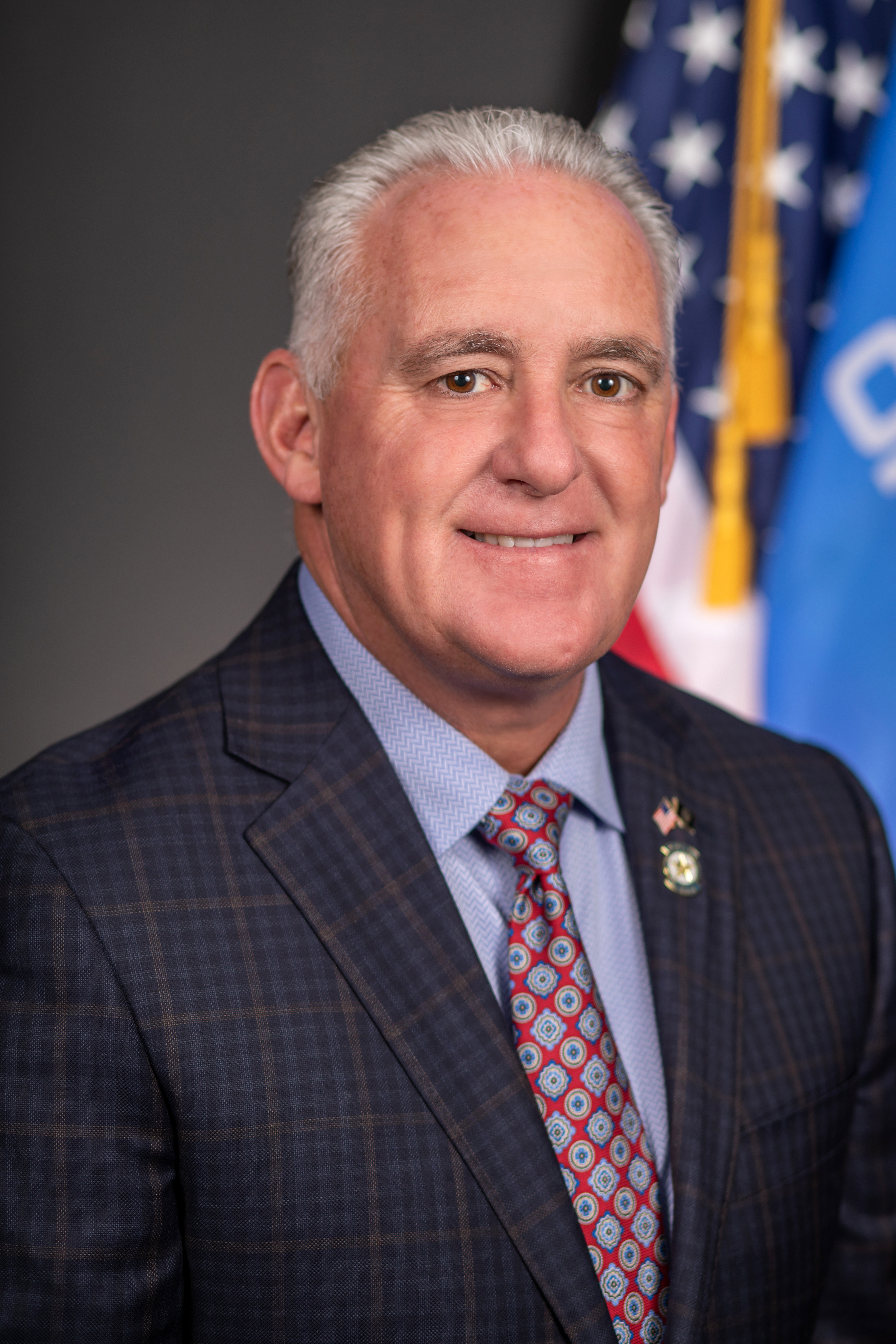
2025 Regular Session Introduced by Paul Rosino and 1 co-sponsor

The bill bans selling medetomidine or xylazine to buyers under 21 and requires proof of institutional use, along with recordkeeping and penalties to fund substance abuse programs.

Vetoed 05/09/2025
0
WeVote Research Nonpartisan
Bill Summary · SB 875

Summary — SB 875: Public Health – Medetomidine and Xylazine Consumer Protection Act

Status: Introduced Jan 2025; Hearing scheduled 3/11/2025; Bill text sets effective date Oct 1, 2025. Cross-file: HB 1109 (companion).

Purpose

To restrict retail access to products containing medetomidine or xylazine by requiring proof of an institutional, veterinary, or scientific intended use and by raising the minimum purchaser age; to create recordkeeping and civil-penalty enforcement mechanisms and direct penalties to the Maryland Substance Abuse Fund. The bill responds to public‑health concerns about veterinary sedatives being detected as adulterants in illicit drug supplies.

Key provisions

  • Definitions:
    • “Medetomidine product” / “Xylazine product” — any product containing any amount of medetomidine or xylazine.
    • “Retailer” — broadly defined to include manufacturers, wholesalers, corporations, partnerships, limited liability companies, firms, online platforms, or other business entities doing business in the State that sell, prepare, or advertise these products.
  • Sale/Distribution restrictions:
    • A retailer may not distribute, sell, or expose for sale a medetomidine or xylazine product unless the purchaser provides proof the product will be used for institutional, veterinary, or scientific purposes.
    • Retail sale or display to anyone under age 21 is prohibited.
  • Recordkeeping:
    • Retailers that prepare, distribute, sell, or expose for sale these products must keep records of all sales, including copies of the identification used to verify age and each document or material used to demonstrate the purchaser’s intended use.
  • Civil penalties:
    • Up to $3,000 for a first violation; up to $6,500 for each subsequent violation.
    • All civil penalties collected are remitted to the Comptroller for deposit in the Maryland Substance Abuse Fund.
  • Administrative:
    • Maryland Department of Health (MDH) must adopt regulations to implement the Act.
  • Effective date: October 1, 2025 (per bill text).

Who is affected

  • Retailers and sellers of medetomidine/xylazine products, including brick-and-mortar and online platforms, manufacturers and wholesalers operating in Maryland — required to verify purchaser intent, check age (21+), and retain records.
  • Veterinarians, research institutions, and other legitimate institutional purchasers — will need to provide proof of intended use at purchase.
  • Enforcement agencies and MDH — charged with rulemaking and enforcement; Comptroller receives penalty deposits.
  • Consumers (general public) — restricted access; individuals under 21 barred from retail purchase.

Fiscal and administrative impact

  • MDH must promulgate regulations; fiscal effect depends on the chosen enforcement approach. The fiscal note assumes MDH can handle basic enforcement with existing resources but notes more robust enforcement could require additional staff.
  • Special fund revenues (Maryland Substance Abuse Fund) may increase beginning FY2026 if penalties are collected, but revenues are not expected to be material.
  • Small businesses: compliance burdens are primarily administrative (verification and record retention); penalties present a financial risk for noncompliance.

Context and notes

  • Federal regulations limit use of medetomidine and xylazine to veterinary contexts (21 CFR provisions); both drugs have been detected by CDC as adulterants in illicit drug overdoses (often found with fentanyl).
  • The Maryland Substance Abuse Fund supports local planning and substance abuse services; penalties deposited there are prioritized for planning and treatment programs.
  • The bill’s practical enforcement details (e.g., acceptable proof of intended use, retention period for records, inspection procedures) will be defined by MDH regulations.

Compiled from official sources — confirm details with the bill’s official record.

Sign in to ask a question.