

WeVote

Bill

Bill

HR 3157

State Energy Accountability Act

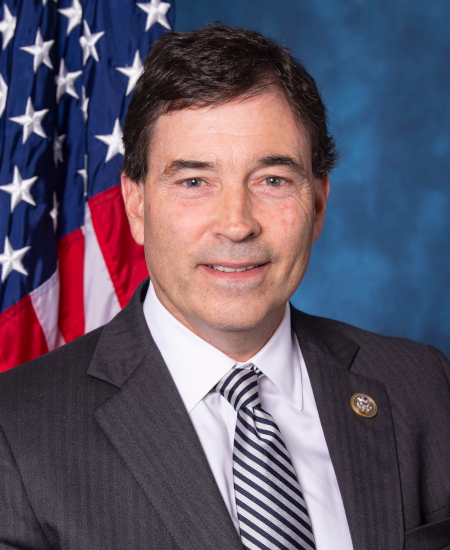
119th Congress Introduced by Troy Balderson and 2 co-sponsors

The State Energy Accountability Act mandates states to assess how renewable energy policies impact electricity reliability, ensuring stable and affordable power for consumers.

Reported by the Committee on Energy and Commerce. H. Rept. 119-301.
0
WeVote Research Nonpartisan
Bill Summary · HR 3157

Summary of HR 3157: State Energy Accountability Act

Bill Overview

  • Bill Number: HR 3157
  • Title: State Energy Accountability Act
  • Introduced: May 1, 2025
  • Status: Reported by the Committee on Energy and Commerce (H. Rept. 119-301)
  • Key Sponsors:
    • Nicholas A. Langworthy (Primary)
    • Gabe Evans (Cosponsor)
    • Troy Balderson (Cosponsor)

Purpose and Intent

The State Energy Accountability Act aims to amend the Public Utility Regulatory Policies Act of 1978 (PURPA) by introducing a requirement for state regulatory authorities to evaluate the reliability and resource adequacy impacts of state policies that mandate utilities to generate a portion of their electricity from intermittent resources, such as wind and solar. This legislation seeks to address concerns regarding the reliability of the electricity grid amid increasing reliance on renewable energy sources.

Key Provisions

  • Amendment to PURPA: The bill modifies Section 111(d) of PURPA, mandating that each state regulatory authority must consider implementing requirements to assess the impacts of Renewable Portfolio Standards (RPS) and Clean Energy Standards (CES) on electricity reliability and resource adequacy.
  • Focus on Intermittent Resources: The legislation specifically targets policies that require utilities to designate a share of their electricity from intermittent resources, which are known for their variable output.

Background and Need for Legislation

The bill arises from a growing concern about the reliability of the U.S. electricity grid, particularly as demand for electricity is projected to rise significantly due to factors such as:
- The increasing use of artificial intelligence.
- The reshoring of manufacturing facilities.

The North American Electric Reliability Corporation (NERC) has warned that the premature retirement of baseload power plants, combined with insufficient replacement resources, poses a risk to grid reliability. The bill is a response to findings that aggressive state clean energy mandates may be contributing to these reliability issues, potentially leading to higher costs for consumers.

Impact

  • States and Regulatory Authorities: The bill will directly affect state regulatory bodies, requiring them to evaluate the implications of their clean energy policies on grid reliability.
  • Utilities and Power Producers: Utilities may need to adjust their energy generation strategies to comply with the new evaluation requirements, potentially affecting their operational costs and planning.
  • Consumers: The legislation aims to mitigate the risk of rising electricity prices associated with the transition to intermittent energy sources, which could benefit consumers in the long run.

Legislative Timeline

  • May 1, 2025: Bill introduced and referred to the House Committee on Energy and Commerce.
  • June 3, 2025: Referred to the Subcommittee on Energy.
  • June 5, 2025: Subcommittee consideration and mark-up session held; forwarded to the full committee by voice vote.
  • June 25, 2025: Committee consideration and mark-up session held; ordered to be reported by a vote of 27-20.
  • September 17, 2025: Reported by the Committee on Energy and Commerce and placed on the Union Calendar.

Conclusion

The State Energy Accountability Act represents a significant legislative effort to ensure that state energy policies do not compromise the reliability of the electricity grid. By requiring evaluations of the impacts of renewable energy mandates, the bill aims to balance the transition to cleaner energy sources with the need for a stable and affordable electricity supply.

Compiled from official sources — confirm details with the bill’s official record.

Sign in to ask a question.