

WeVote

Bill

Bill

S 4719

State Department Integrity and Transparency Act

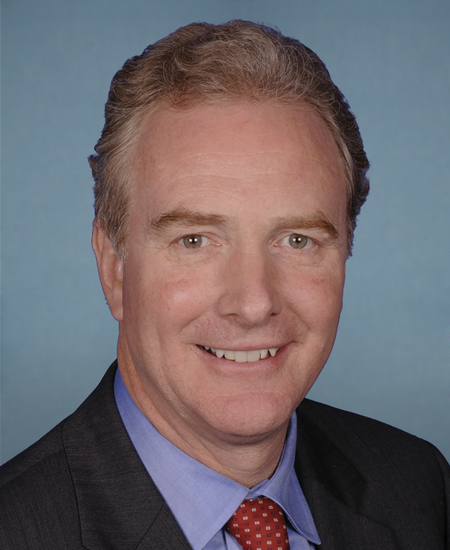
119th Congress Introduced by Chris Van Hollen and 3 co-sponsors

The bill tightens vetting and increases transparency for senior State Department appointees, requiring language/region expertise, extensive disclosures, and limits on short oversea

Introduced in Senate
0
WeVote Research Nonpartisan
Bill Summary · S 4719

Summary of Bill: State Department Integrity and Transparency Act (S.4719, 119th Congress)

  • Purpose and intent

    • The bill seeks to increase disclosures, vetting, and transparency around individuals nominated to serve as chiefs of mission (COWs) and other senior State Department officials (including assistant secretaries), with an emphasis on professional qualifications, language proficiency, financial ties, and potential conflicts of interest.
    • It frames this as a response to global competition, urging a professional, nonpartisan, well-vetted foreign policy workforce.
  • Key provisions and changes

    1. Sense of Congress
      • States that detailed knowledge and experience in formulating/executing U.S. foreign policy are vital for chiefs of mission, assistant secretaries, and other senior State officials.
      • Emphasizes the need for nonpartisan professionals and thoroughly qualified and vetted political appointees.
      • Highlights strategic competition (e.g., with the People’s Republic of China) and the importance of staffing the Department accordingly.
  1. Enhanced preparedness for senior officials

    • Hiring requirement: Amends the State Department Basic Authorities Act to require that at least 75 percent of Assistant Secretaries have served in the Senior Foreign Service or Senior Executive Service.
    • Disclosure requirement: Expands reporting requirements to include whether a nominee for chief of mission or assistant secretary has knowledge of the principal language of the relevant country/region and how their knowledge aligns with the position’s cultural, economic, political, and historical context, including any business interests in the region.
  2. Additional disclosures for nominees

    • Expands and reorganizes disclosures to capture:
      • Definitions for terms like bundled contributions, contributions, and immediate family in relation to disclosure reports.
      • Requirement that reports disclose all bundled contributions facilitated by the nominee during a specified period.
      • Public publication of the nomination reports and any “Certificate of Competency” on the State Department’s public website.
  3. Certification of compliance

    • Requires the President to certify to the Senate Foreign Relations Committee that nominees for chief of mission meet the required qualifications and that any contributions by the nominee or family members did not influence the nomination.
  4. Limitations on overseas placement of certain positions

    • Establishes a sense of Congress supporting thorough vetting for officials offered diplomatic accreditation or taxpayer-funded overseas postings.
    • Imposes a 90-day maximum for special appointments to U.S. diplomatic missions, and limits individuals to one such position per calendar year. Effective date: Provisions related to these limitations would take effect on January 1, 2029.
  • Affected parties and entities

    • Nominees for chiefs of mission and assistant secretaries.
    • The Department of State, particularly its hiring, reporting, and public disclosure practices.
    • The Senate Committee on Foreign Relations (receives certifications) and the public (through online disclosures).
  • Procedural and timeline notes

    • Introduced June 9, 2026; referred to the Senate Foreign Relations Committee.
    • If enacted, certain provisions (notably the overseas placement limitations) would take effect January 1, 2029.

Overall impact
- The bill would tighten vetting and increase transparency around senior State Department appointments, aiming to ensure that appointees possess substantial professional credentials, language and regional expertise, and are free from undue influence from private interests. It would also place tighter controls on short-term special appointments overseas.

Compiled from official sources — confirm details with the bill’s official record.

Sign in to ask a question.