

WeVote

Bill

Bill

SF 2162

State-aid engineering and design standards variances modification

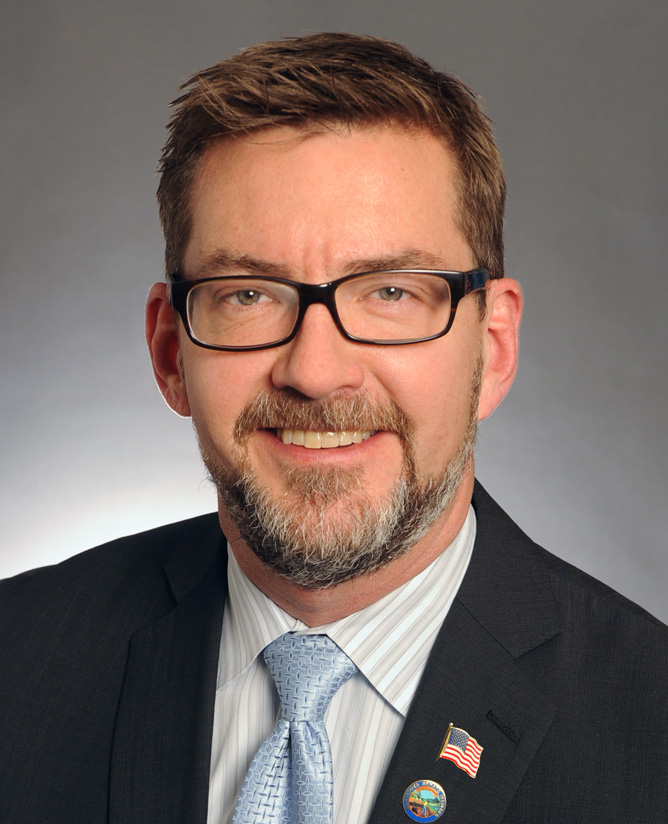
2025-2026 Regular Session Introduced by Scott Dibble and 3 co-sponsors

SF 2162 expands local flexibility to deviate from state engineering standards on state-funded projects with approval, balancing infrastructure consistency against project-specific needs.

Pursuant to Senate Concurrent Resolution No. 4, referred to Rules and Administration
0
WeVote Research Nonpartisan
Bill Summary · SF 2162

Legislative bill overview

SF 2162 modifies Minnesota's state-aid engineering and design standards by allowing variances from established specifications for state-funded infrastructure projects. The bill appears to streamline the variance process, enabling local governments and project managers to deviate from standard engineering requirements when circumstances warrant, subject to state approval mechanisms.

Why is this important

State engineering standards ensure infrastructure safety, consistency, and cost predictability across projects. Allowing variances can provide flexibility for unique local conditions, terrain challenges, or cost constraints—but also risks inconsistent quality, safety issues, or cost overruns if variances are granted without rigorous oversight. This directly affects how Minnesota funds and manages roads, bridges, and related infrastructure projects.

Potential points of contention

  • Safety and standardization trade-offs: Broader variance authority could compromise structural integrity or create maintenance inconsistencies unless paired with robust technical review processes
  • Cost predictability: Variances may increase project expenses unpredictably, affecting state budget allocations and local government planning
  • Implementation clarity: The bill's specific approval criteria and oversight mechanisms aren't detailed in available summaries, leaving questions about whether variances will be granted consistently or arbitrarily across regions

Compiled from official sources — confirm details with the bill’s official record.

Sign in to ask a question.