

WeVote

Bill

Bill

HR 7018

Stand with Israel Act of 2026

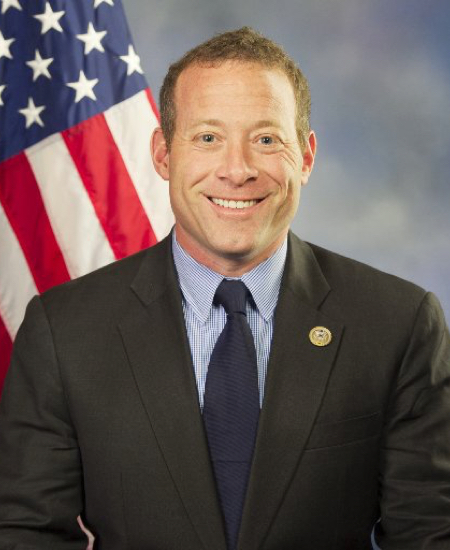
119th Congress Introduced by Josh Gottheimer and 2 co-sponsors

The bill would block US funding to the UN and its agencies until Israel is not expelled, tying financial support to a reversal of any such action.

Introduced in House
0
WeVote Research Nonpartisan
Bill Summary · HR 7018

Overview

  • Bill: HR 7018 (Stand with Israel Act of 2026)
  • Session: 119th Congress, 2nd Session
  • Sponsor(s): Rep. Mike Lawler (lead) with co-sponsors Jared Moskowitz, Josh Gottheimer
  • Introduced: January 12, 2026
  • Purpose: To limit United States funding participation in the United Nations if Israel is illegally expelled.

Main purpose and intent

  • The bill seeks to punish or deter actions that would eject Israel from the United Nations (UN) by restricting U.S. funding to the UN (and to other federal entities that provide funding to the UN) until any such “illegal action” against Israel is reversed.
  • It frames the issue as standing with Israel by blocking foreign aid/assistance related to the UN in response to an alleged illegal expulsion.

Key provisions and changes

  • Amends Section 115(b) of the Department of State Authorization Act, Fiscal Years 1984 and 1985 (22 U.S.C. 287, as codified) by removing the current sentence and inserting a new funding restriction.
  • New funding prohibition: No funds made available to the Department of State or any other federal department or agency may be provided for any contribution, grant, or other payment (whether voluntary or assessed) to the United Nations or to any organ or agency thereof if Israel is expelled illegally, until the illegal action is reversed.
  • Scope of restriction: Applies to U.S. funding to the UN and any UN-related organs or agencies through any federal department or agency, effectively blocking appropriations that would support the UN’s activities in the scenario described.
  • Trigger: The restriction is activated upon an “illegal” expulsion of Israel; its reversal is required to resume funding transfers.

Who would be affected

  • U.S. Department of State and other federal departments or agencies that provide funding to the United Nations or UN-affiliated bodies.
  • The UN and its organs/agencies that receive funding from the United States.
  • Israeli supporters and policymakers who advocate for strong U.S.-Israel alignment, as the bill aligns with a stance against a hypothetical expulsion.

Procedural and timeline aspects

  • Status: Introduced and referred to the House Committee on Foreign Affairs (January 12, 2026).
  • No enacted text beyond the amendment to the funding restriction is provided in the bill as introduced.
  • Timeline for action (e.g., committee hearings, floor votes) would follow standard bill progression through the House; the bill would need passage in both the House and Senate and signature by the President to become law.
  • Effective date: Not specified in the text provided; typically, such provisions would take effect upon enactment unless otherwise stated.

Potential impact and considerations

  • If enacted, the United States would suspend or withhold funding to the UN and its organs until Israel’s expulsion is reversed, potentially affecting UN programs and operations funded by the U.S.
  • The measure could influence international diplomacy by signaling a strong U.S. stance regarding Israel’s status with the UN.
  • Critics may analyze the broad language of “any contribution, grant or other payment” and how it would operate across existing and future financial mechanisms with the UN.

Notes

  • The bill is labeled as a short title: “Stand with Israel Act of 2026.”
  • There is limited text beyond the funding restriction; the core impact centers on conditional funding tied to the status of Israel within the UN.

Compiled from official sources — confirm details with the bill’s official record.

Sign in to ask a question.