

WeVote

Bill

Bill

HR 9578

Spot the Fakes Act

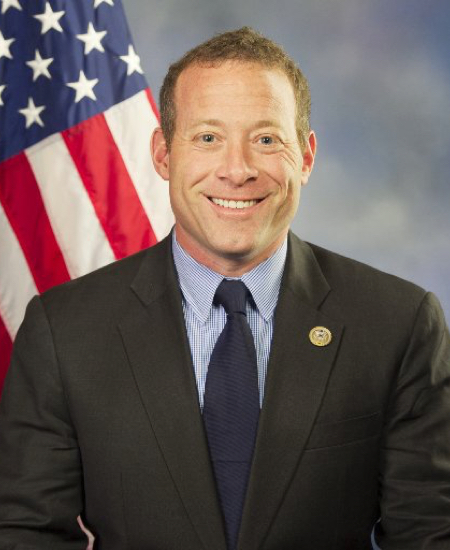
119th Congress Introduced by Josh Gottheimer

The bill requires AI-generated content to be labeled with verifiable metadata and mandates FTC rules to enforce this labeling.

Introduced in House
0
WeVote Research Nonpartisan
Bill Summary · HR 9578

Bill Summary: HR 9578 — Spot the Fakes Act (119th Congress, 2nd Session)

Purpose and Intent

  • The Spot the Fakes Act aims to require labeling of AI-generated content to help identify and verify the provenance of material produced or controlled by artificial intelligence.
  • The bill authorizes labeling to occur via metadata or other technological means and seeks to empower an enforcement framework through the Federal Trade Commission (FTC), with regulatory guidance from the National Institute of Standards and Technology (NIST).

Key Provisions and Changes

  • Labeling Requirement (Section 2(a))

    • Entities that own or control AI-generated content must label the content as AI-generated.
    • The labeling must be embedded in the output’s metadata or provided by other technological means to ensure indelible verification of provenance.
    • The method of labeling is to be determined as appropriate by the Director of the National Institute of Standards and Technology.
  • Regulatory Method of Disclosure (Section 2(b))

    • Within six months after enactment, the FTC, in consultation with NIST, must issue regulations detailing how the AI-generated label should be displayed in metadata or other technological formats.
  • Enforcement (Section 2(c))

    • Violations of the labeling requirement or its accompanying regulations are treated as unfair or deceptive acts or practices under the FTC Act.
    • The FTC is granted authority to enforce the labeling requirements with the same powers and duties as it has under the FTC Act.
    • Penalties and enforcement actions would align with existing FTC authorities.
  • Definitions (Section 2(d))

    • Artificial Intelligence (AI): As defined by the National AI Initiative Act of 2020. AI-Generated Content: Includes any video, image, audio, text, or other medium produced by AI.
    • Metadata: As defined in 44 U.S.C. § 3502.
    • Commission: The Federal Trade Commission.

Who/What Would Be Affected

  • Directly Affected:
    • Owners or controllers of AI-generated content across media (video, image, audio, text, etc.) that choose to apply labeling.
  • Regulatory Stakeholders:
    • Federal Trade Commission (enforcement)
    • National Institute of Standards and Technology (regulatory guidance on labeling method)
  • Broader Impact:
    • Tech companies, content platforms, publishers, advertisers, and creators utilizing AI-generated content would need to implement labeling in accordance with FTC rules and NIST guidance.

Procedural and Timeline Aspects

  • Introduction Date: July 2, 2026
  • Referral: Referred to the House Committee on Energy and Commerce
  • Regulatory Timeline: Regulations implementing the labeling method must be issued within 6 months of enactment.
  • Enforcement Timeline: Once regulations are in effect, enforcement follows FTC statutory authority for unfair or deceptive practices.

Practical Implications

  • The bill seeks to improve transparency around AI-generated content by ensuring that end users can verify when content is AI-produced.
  • It places the labeling requirement within established consumer protection enforcement (FTC) and relies on NIST to determine technical labeling standards.
  • Businesses would need to adjust workflows to embed AI-generated content labels in metadata or via alternative technologies, consistent with forthcoming regulatory guidance.

Notes

  • The bill establishes a clear goal of provenance verification for AI content and ties compliance to existing FTC enforcement frameworks.
  • Specific technical standards and metadata implementations would be determined by the FTC-NIST regulatory process within the six-month post-enactment window.

Compiled from official sources — confirm details with the bill’s official record.

Sign in to ask a question.