

WeVote

Bill

Bill

S 3876

SPARK Act

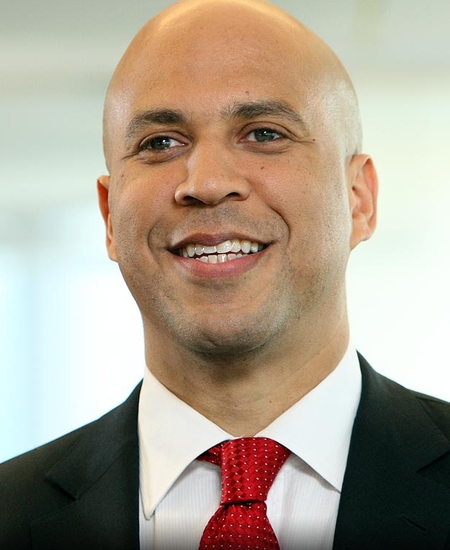
119th Congress Introduced by Cory Booker and 2 co-sponsors

The SPARK Act aims to boost startup formation and small business growth by expanding funding, technical assistance, and access to capital for entrepreneurs.

Introduced in Senate
0
WeVote Research Nonpartisan
Bill Summary · S 3876

Summary of Bill S. 3876 (Session 119) – SPARK Act

Overview

  • Bill title: SPARK Act
  • Jurisdiction: United States Congress (Senate)
  • Introduced: February 12, 2026
  • Current action: Read twice and referred to the Senate Committee on Small Business and Entrepreneurship
  • Sponsors:
    • Primary sponsor not listed in provided text
    • Co-sponsors: Senator Ed Markey, Senator Cory Booker, Senator Mazie Hirono

Purpose and Intent

The SPARK Act appears to be designed to support small businesses and entrepreneurship, with a focus on enabling more vigorous start-up activity, access to resources, and potential safeguards or incentives to stimulate small business growth. The name “SPARK” suggests an emphasis on igniting entrepreneurial activity, though the specific statutory levers (grants, loans, tax incentives, regulatory changes, technical assistance, or program authorizations) are not detailed in the provided information.

Key Provisions (What the Bill Would Do)

Note: The exact text of provisions is not provided here. The following outlines typically included in SPARK-related legislation and what one would expect to see in a bill of this nature. The actual provisions should be confirmed by reviewing the bill’s text.

  • Program Authorization or Expansion: Potential authorization or expansion of federal programs aimed at supporting small business formation, early-stage financing, or technical assistance.
  • Funding and Resources: Possible appropriation or allocation of funds to federal agencies (e.g., Small Business Administration) to administer grants, loan guarantees, or services for startups and small businesses.
  • Technical Assistance and Counseling: Enhancement of mentoring, training, and counseling for entrepreneurs, including resources for business planning, market research, and access to networks.
  • Access to Capital: Measures to improve access to capital for small businesses, such as loan programs, guarantees, or collaboration with private lenders and venture funds.
  • Targeted Support: Provisions addressing specific populations or sectors (e.g., women-owned, minority-owned, rural, veteran-owned businesses) or regional entrepreneurship ecosystems.
  • Accountability and Reporting: Provisions requiring program oversight, performance metrics, and regular reporting to Congress on outcomes and impact.

Who Would Be Affected

  • Small Businesses and Startups: Primary beneficiaries through grants, loans, counseling, and support services.
  • Entrepreneurship Ecosystem Stakeholders: Small business development centers, SCORE chapters, minority business development organizations, industry associations, and private lenders partnering with the federal program.
  • Federal Agencies: Agencies responsible for small business policy and support (likely the Small Business Administration or related agencies) would implement and administer programs.
  • Underrepresented Groups and Regions: If the bill includes targeted provisions, women-owned, minority-owned, rural, veterans-owned, or other underserved entrepreneurs could see enhanced access to resources.

Procedural and Timeline Aspects

  • Current Status: Read twice and referred to the Senate Committee on Small Business and Entrepreneurship. This means the bill has been introduced and is in the initial committee stage.
  • Next Steps in Legislative Process:
    • Committee consideration, potential markups, and reporting the bill back to the Senate floor.
    • Floor debate and passage in the Senate.
    • If passed, transmission to the House of Representatives (and eventual conference if there are differences with the House version).
    • Final enactment and signature by the President to become law.
  • Effective Dates: Any operative dates, sunset provisions, or phase-in schedules would be specified in the bill text; those details are not provided here.

Potential Impacts and Considerations

  • Economic Growth: If funded and effectively implemented, the SPARK Act could stimulate startup formation, job creation, and economic activity in underserved communities.
  • Program Accountability: Expect performance metrics and reporting requirements to assess effectiveness and inform future policy.
  • Administrative Burden: Agencies implementing new programs may face administrative costs and coordination with stakeholders.
  • Policy Alignment: The act’s impact will depend on alignment with existing SBA programs and federal funding priorities.

If you’d like, I can tailor this summary to a specific audience (e.g., policymakers, small business owners, or advocacy groups) or incorporate the exact text from the bill once you provide it.

Compiled from official sources — confirm details with the bill’s official record.

Sign in to ask a question.