

WeVote

Bill

Bill

SF 4826

Social studies standards modification to include the dangers and perils of communism and socialism

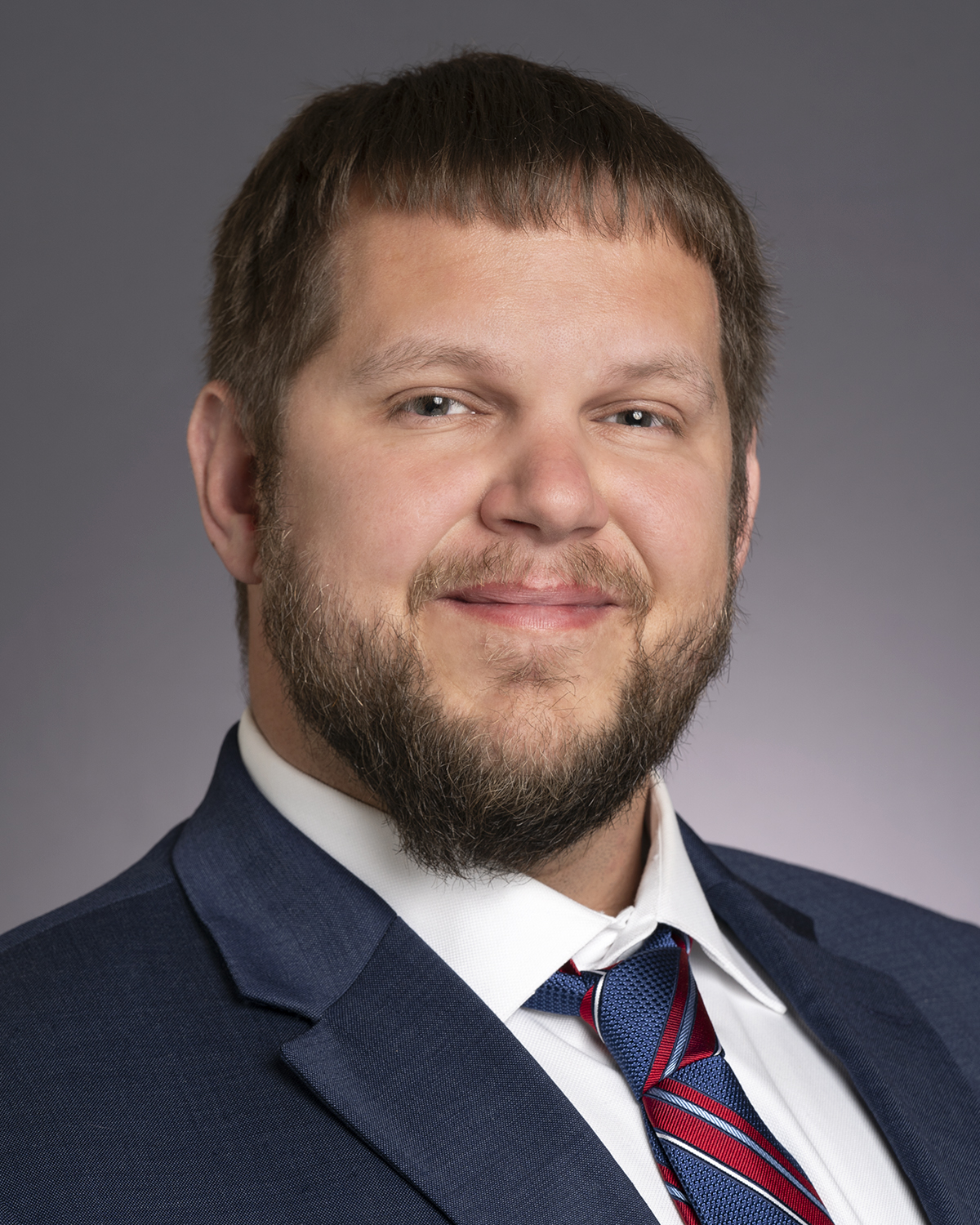
2025-2026 Regular Session Introduced by Bill Lieske and 1 co-sponsor

Minnesota would modify social studies standards to require explicit teaching on the dangers and perils of communism and socialism.

Referred to Education Policy
0
WeVote Research Nonpartisan
Bill Summary · SF 4826

Summary of SF 4826 (Minnesota, 2025-2026)

Overview

SF 4826 proposes modifications to Minnesota’s social studies standards to explicitly include the dangers and perils of communism and socialism. The bill appears to be focused on curricular standards, with the aim of ensuring students are taught about the historical and contemporary risks associated with these ideologies.

  • Session: 2025-2026
  • Jurisdiction: Minnesota
  • Title: Social studies standards modification to include the dangers and perils of communism and socialism
  • Sponsor(s): Co-sponsors Bill Lieske and Nathan Wesenberg
  • Action History: Introduction and first reading; referred to the Education Policy committee on 2026-03-25

Purpose and Intent

  • The primary aim is to modify the state social studies standards to include explicit instruction on the dangers and perils of communism and socialism.
  • The bill signals a curricular emphasis intended to shape students’ understanding of political ideologies and their historical consequences.

Key Provisions (as implied by bill title and standard legislative practice)

  • Curricular Standard Update: Amend the state social studies standards to require or emphasize content related to the dangers and negative outcomes associated with communism and socialism.
  • Educational Scope: Potential inclusion of historical case studies, impact assessments, and critical examinations of totalitarian regimes associated with these ideologies.
  • Alignment and Assessment: Possible requirements for instruction alignment with standards and assessment measures to evaluate student understanding of the dangers discussed.

Note: The bill text is not provided in the summary. The above provisions reflect typical elements associated with standard modifications of this nature.

Who/What is Affected

  • Students: Minnesota students enrolled in social studies courses at public schools, with the content of instruction potentially expanding to cover the specified ideological dangers.
  • Educators: Social studies teachers and curriculum developers responsible for aligning lessons, materials, and assessments with the updated standards.
  • School Districts/LEAs: Local education agencies would implement the standards through adopted curricula, lesson plans, and professional development.
  • State Education Policy: The Minnesota Department of Education would develop or update frameworks, guidance, and assessment alignment to reflect the new standards.

Procedural and Timeline Aspects

  • Introduction and First Reading: March 25, 2026.
  • Referral: Referred to Education Policy committee on March 25, 2026.
  • Next Steps: Committee consideration, potential amendments, and subsequent floor action (passage by both chambers and sign-off by the governor, as applicable). Timelines will depend on committee schedules and legislative priorities.

Potential Impacts and Considerations

  • Educational Content: The bill would shape the historical and political framing presented in social studies classes, potentially influencing how students understand 20th-century and contemporary ideologies.
  • Curriculum Development: Districts may need to review and revise curricula, textbooks, and classroom materials to ensure compliance with the updated standards.
  • Debate and Controversy: Topics involving ideologies can be contentious. The bill’s passage could prompt dialogue among educators, parents, and policymakers about balance, bias, and academic freedom.
  • Implementation Costs: Any required professional development, resource purchases, or curriculum revisions could entail costs for districts and the state.

This summary provides an objective, high-level view of SF 4826 based on the available action history and bill title. For a complete understanding, the full bill text, fiscal notes, and committee analysis should be reviewed once available.

Compiled from official sources — confirm details with the bill’s official record.

Sign in to ask a question.