

WeVote

Bill

Bill

HF 29

Social studies standards adoption suspended and review cycle modified, ethnic studies requirements repealed, and ethnic studies appropriations cancelled.

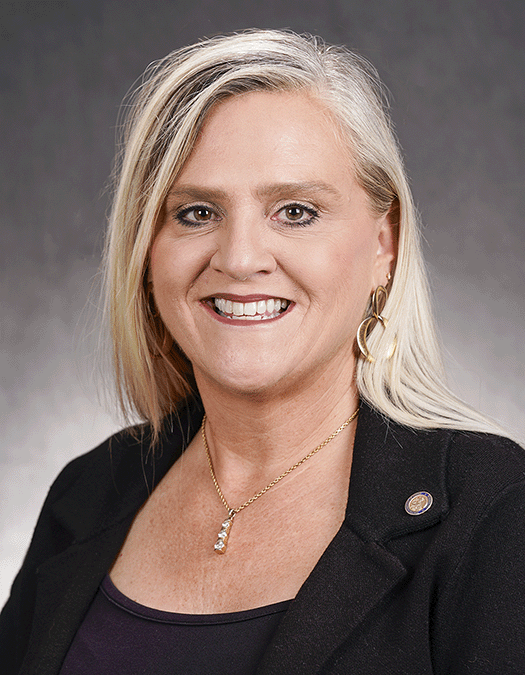
2025-2026 Regular Session Introduced by Pam Altendorf and 15 co-sponsors

HF 29 would pause new social studies standards, alter review timelines, repeal ethnic studies requirements, and cancel funding for ethnic studies programs.

Author added McDonald
0
WeVote Research Nonpartisan
Bill Summary · HF 29

Bill Summary: HF 29 (2025-2026) – Minnesota

Overview

HF 29 seeks to suspend the adoption of new social studies standards, modify the state’s review cycle for standards, repeal ethnic studies requirements, and cancel appropriations related to ethnic studies. The bill appears to target curriculum standards processes and funding linked to ethnic studies within Minnesota’s education framework.

Primary Purpose and Intent

  • Temporarily suspend the adoption of new social studies standards.
  • Change the timeline and process for reviewing and revising social studies standards.
  • Repeal requirements that mandate ethnic studies content or programs.
  • Cancel funding appropriations currently allocated for ethnic studies initiatives.

Key Provisions and Changes

  1. Social Studies Standards Adoption and Review

    • Suspension: The bill would pause the process of adopting new state social studies standards.
    • Review Cycle Modification: It would alter the cadence or method by which social studies standards are reviewed and updated, potentially lengthening the time between updates or altering the committee/approval workflow.
  2. Ethnic Studies Repeal

    • Repeal of Ethnic Studies Requirements: The bill eliminates existing mandates requiring ethnic studies coursework, curricula, or program components within Minnesota’s educational system.
    • Scope of Repeal: The repeal would apply to statutory or regulatory requirements that compel districts or schools to incorporate ethnic studies content.
  3. Ethnic Studies Appropriations Cancelled

    • Funding Cessation: All state appropriations designated for ethnic studies would be canceled or redirected, meaning those funds would no longer be available for ethnic studies programs, activities, or initiatives previously slated for distribution.

Affected Parties

  • Public Education Institutions: School districts, charter schools, and vocational-technical institutions that implement social studies standards and any ethnic studies components.
  • Students: Those enrolled in social studies coursework that might be shaped by updated standards or ethnic studies requirements.
  • Educators and Administrators: Teachers and district leaders responsible for implementing social studies standards and ethnic studies programming.
  • State Agencies and Committees: Entities involved in developing, approving, and revising state standards; agencies distributing or managing appropriations for ethnic studies.

Procedural and Timeline Considerations

  • Legislative Path: The bill is introduced with sponsors listed on the House file; it has progressed through committee stages, including a judiciary-ish path of Education Policy and Education Finance (per the action history).
  • Committee History:
    • Introduced and referred to Education Policy (2/10/2025).
    • Reported by committee with a recommendation to adopt and re-refer to Education Finance (2/20/2025).
  • Sponsor and Cosponsor Activity: Several legislators have been added as authors or co-sponsors over time, indicating ongoing advocacy and potential amendments during the session.
  • Next Steps: If advanced, the bill could move to the Education Finance committee and, eventually, to floor votes in the Minnesota House of Representatives. Since it involves budgetary items (appropriations) and standards adoption processes, it may also implicate state departments of education and timing aligned with state budget cycles.

Potential Impacts

  • Curriculum and Standards: Delays or changes to social studies standards development may affect curriculum alignment, assessments, and professional development timelines.
  • Ethnic Studies Policy: Repeal of ethnic studies requirements would reduce or remove current mandates for ethnic studies content, potentially impacting district curricula and teacher planning.
  • Funding: Cessation of ethnic studies appropriations could affect program viability, staffing, and resource availability for ethnic studies initiatives, depending on how districts compensate or reallocate funds.
  • Equity and Curriculum Diversity: The bill’s provisions could influence ongoing conversations about inclusive curricula and representation in social studies education.

If you’d like, I can extract specific statutory references, potential fiscal notes, or align this summary with a side-by-side comparison of current law versus HF 29 once those texts are available.

Compiled from official sources — confirm details with the bill’s official record.

Sign in to ask a question.