

WeVote

Bill

Bill

SB 3202

SMART START GRANTS-HEAD START

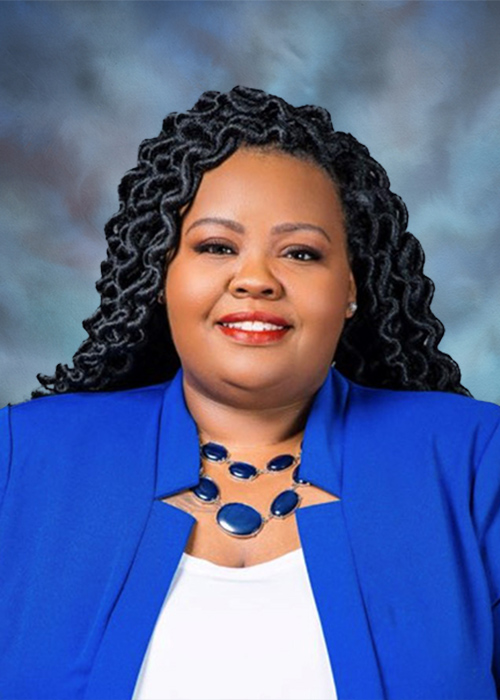
104th Regular Session Introduced by Lakesia Collins and 2 co-sponsors

Expands the Smart Start wage-support program to include Head Start and Early Head Start providers, boosting early childhood wages and quality overall.

Senate Committee Amendment No. 1 Assignments Refers to Appropriations- Education
0
WeVote Research Nonpartisan
Bill Summary · SB 3202

Summary of SB 3202 (104th General Assembly) – Illinois

Title

Smart Start Grants – Head Start

Purpose and Intent

  • Expands eligibility for the Smart Start Illinois Act’s workforce compensation program to include Head Start and Early Head Start programs.
  • Aims to invest in and stabilize the early childhood education and care system by increasing wages for early childhood educators and supporting program quality, enabling providers to participate in additional public funding streams (e.g., Preschool for All).

Key Provisions

Establishment and Purpose

  • The Department of Human Services (DHS) must create and operate the Smart Start Child Care Workforce Compensation Program.
  • Primary goals:
    • Invest in early childhood education and care service providers (including providers in the Child Care Assistance Program, Head Start, and Early Head Start).
    • Expand the supply of high-quality early childhood education and care.
    • Build a strong, stable system with competitive wages, high-quality services, and affordable costs.

Scope of Eligibility

  • Initially targets eligible licensed day care centers, licensed day care homes, and licensed group day care homes.
  • Importantly, expands eligibility to Head Start and Early Head Start programs (in addition to existing providers).

Program Operation and Funding

  • Subject to appropriation, DHS must implement the program for eligible providers by October 1, 2024 (or as soon as practicable after a planning/transition year).
  • By October 1, 2025 (and annually thereafter, subject to appropriation), the program shall operate with:
    • All licensed day care centers, licensed day care homes, and licensed group day care homes.
    • Head Start and Early Head Start programs that meet eligibility requirements.
  • The program must operate separately from and not supplant the Child Care Assistance Program as defined in the Illinois Public Aid Code.
  • Administrative rules must be adopted by October 1, 2024, covering:
    • Eligibility criteria
    • Application and funding calculation processes
    • Eligible expenses
    • Required wage floors
    • Financial and personnel reporting and monitoring requirements
  • Eligibility and funding provisions will be tied to:
    • The current state appropriation
    • A current model of the cost to provide child care services by licensed providers

Who Is Affected

Primary Stakeholders

  • Licensed child care centers
  • Licensed child care homes
  • Licensed group child care homes
  • Head Start programs
  • Early Head Start programs

Indirect Effects

  • Early childhood educators and staff (potentially higher wages due to the workforce compensation component)
  • Families using child care and Head Start services (potentially improved wages contributing to higher-quality services and stability)
  • Public funding streams related to early childhood education (ability to leverage DHS-supported base to participate in programs like Preschool for All)

Timelines and Procedural Aspects

  • Legislative Status: Introduced February 2, 2026; currently under consideration (Appropriations- Education committee path with deadlines).
  • Key Dates:
    • October 1, 2024: Administrative rules to facilitate program (eligibility, funding calculations, reporting, wage floors) must be adopted.
    • October 1, 2024: Target date for initial implementation following planning/transition year (if appropriate).
    • October 1, 2025: Annual continuation of the program, subject to appropriation, for all eligible providers including Head Start and Early Head Start.
  • Reporting and Oversight: Requires established reporting and monitoring requirements in the adopted rules; funding calculations depend on appropriations and cost models for licensed providers.
  • Separate Funding Stream: The program is explicitly designated as separate from the Child Care Assistance Program.

Potential Impact

  • A broader eligibility net for the Smart Start wage-support program, extending benefits to Head Start and Early Head Start settings.
  • Potential wage increases for a broader group of early childhood educators, contributing to workforce stabilization.
  • Enhanced capacity for providers to meet quality standards and participate in additional public funding streams.
  • Clarified implementation timeline and governance through DHS administrative rules, with ongoing annual funding contingent on appropriations.

If you’d like, I can provide a plain-language quick-read version or a side-by-side comparison with the current law to highlight changes.

Compiled from official sources — confirm details with the bill’s official record.

Sign in to ask a question.