

WeVote

Bill

Bill

SB 1505

SMALL BUSINESS TAX CREDIT

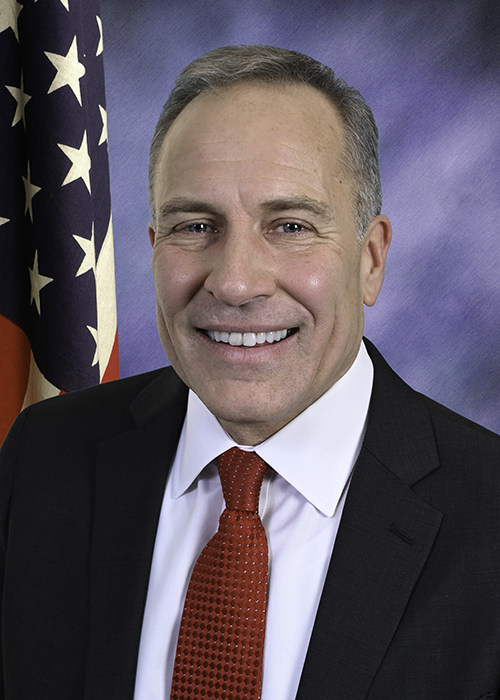
104th Regular Session Introduced by Chris Balkema and 22 co-sponsors

The bill renews Illinois' Small Business Job Creation Tax Credit for 2025–2032 with tighter full-time employee definitions (35 hours/week) and an 8-week replacement rule to count n

Added as Co-Sponsor Sen. Suzy Glowiak Hilton
0
WeVote Research Nonpartisan
Bill Summary · SB 1505

Summary — SB 1505 (Small Business Job Creation Tax Credit Act amendments — Illinois)

Note: the package of documents supplied includes multiple separate SB 1505 texts from different states (Arizona — braille literacy; Hawaii — cigar tax). This summary focuses on the Illinois bill titled SB1505 (introduced by Sen. Willie Preston) that amends the Small Business Job Creation Tax Credit Act.

Purpose

Renew and update the Small Business Job Creation Tax Credit program in Illinois for a new series of incentive periods (2025–2032) and clarify/standardize key program definitions and eligibility rules to govern award of tax credits for net new full‑time jobs created by small employers.

Key provisions

  • Program renewal: Reinstates the program for incentive periods beginning July 1, 2025 and ending June 30, 2032 (referred to as the "second series" of incentive periods).
  • Definition of full‑time employee: Tightens/clarifies the definition to mean an individual employed for a basic wage for at least 35 hours each week (removes a previous, more flexible industry‑custom alternative).
  • Continuous treatment for net increases: A net increase in the number of full‑time Illinois employees is treated as continuous if a different new employee is hired as a replacement within 8 weeks after the position becomes vacant (previously a “reasonable time” standard).
  • Basic wage threshold: Retains or clarifies "basic wage" as compensation of at least $10 per hour (or equivalent salary) for a new employee.
  • Scope and eligibility clarifications:
    • "Applicant" generally means a business with no more than 50 full‑time employees at the beginning of the incentive period (with unitary group rules for related entities).
    • Definitions and exclusions for “new employee” are restated (e.g., excludes prior employees, owners with ≥5% interest).
    • Removes or limits reliance on the earlier Put Illinois to Work Program for the second series of incentive periods.
  • Administration: Program continues to be administered by the Department of Commerce and Economic Opportunity; tax credit awards issued by certificate.
  • Effective date: Provisions take effect immediately (per the introduced LRB text).

Who is affected

  • Primary: Small businesses operating in Illinois with fewer than 50 full‑time employees that hire additional full‑time workers during an approved incentive period and seek the job‑creation tax credit.
  • Secondary: Department of Commerce and Economic Opportunity (administering certifications/credits), tax agencies (credit application and compliance), and workers hired under the program.

Procedural / Timeline notes

  • Introduced in the Illinois General Assembly (Sen. Willie Preston) on 2/4/2025.
  • Bill language shows committee referrals (Revenue), first reading, and scheduling activity; text indicates the changes are intended to apply to incentive periods starting July 1, 2025 through June 30, 2032.
  • The supplied legislative activity log also contains actions from other states and should be treated separately.

Potential impacts / considerations

  • Small businesses: Stricter/clearer full‑time definition (35 hours/week) may narrow who qualifies as a “new employee” for credit purposes compared with prior, more flexible industry‑custom language.
  • Employment continuity: The 8‑week replacement window provides a specific standard for maintaining continuity of net job increases (potentially more predictable for employers and auditors).
  • Fiscal: Renewal expands the period during which credits can be claimed; net fiscal impact depends on program take‑up, the number and wage level of qualifying hires, and certificate award amounts (not specified in excerpt).
  • Administrative: Clarified definitions and timelines may reduce disputes but could shift compliance burden to employers to document hours, wages, and replacement timelines.

If you want, I can prepare a short one‑page fact sheet for employers explaining how to document hires and maintain eligibility, or draft a comparison table showing how the new definitions differ from the prior law.

Compiled from official sources — confirm details with the bill’s official record.

Sign in to ask a question.