

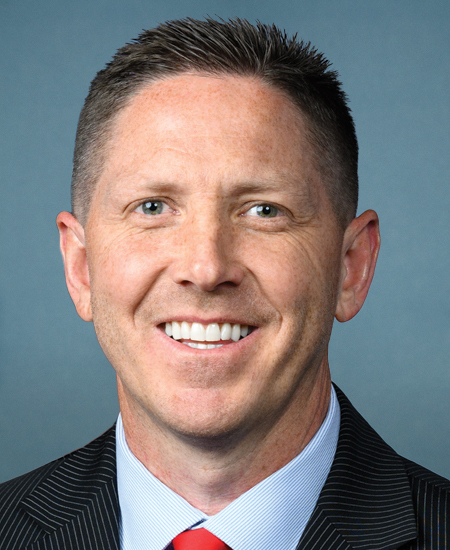
Bill

BILL • US HOUSE

HR 421

Small Business Regulatory Flexibility Improvements Act

119th Congress
Introduced by Josh Brecheen, Ben Cline, Jeff Van Drew and 4 other co-sponsors

HR 421 requires federal agencies to assess regulations' impacts on small businesses, ensuring transparency and reducing burdens to promote their growth and sustainability.

Committee Consideration and Mark-up Session Held
0
1
Bill Summary • HR 421

Summary of HR 421: Small Business Regulatory Flexibility Improvements Act

Purpose and Intent

The Small Business Regulatory Flexibility Improvements Act (HR 421) aims to enhance the regulatory environment for small businesses by improving the process through which federal agencies assess the impact of their regulations on small entities. The bill seeks to ensure that small businesses are not disproportionately burdened by federal regulations, thereby fostering a more conducive environment for their growth and sustainability.

Key Provisions

The bill includes several significant provisions designed to improve regulatory flexibility for small businesses:

  • Regulatory Impact Assessments: Agencies will be required to conduct thorough assessments of how proposed regulations affect small businesses, ensuring that their unique challenges and needs are taken into account.

  • Increased Transparency: The bill mandates that agencies provide clearer explanations of the regulatory process and the rationale behind regulations affecting small businesses.

  • Small Business Advocacy: Establishes a framework for small business representatives to participate in the regulatory process, allowing them to voice concerns and suggest alternatives to proposed regulations.

  • Periodic Review: Agencies will be required to periodically review existing regulations to determine their continued relevance and impact on small businesses, with a focus on eliminating unnecessary burdens.

Affected Parties

The primary beneficiaries of HR 421 are small businesses across various sectors that often face challenges due to federal regulations. By streamlining the regulatory process and ensuring that small business perspectives are included, the bill aims to alleviate some of the financial and operational burdens these businesses encounter.

Legislative Timeline

  • Introduced: January 15, 2025
  • Referred to Committees: The bill was referred to the Committee on the Judiciary, as well as the Committees on Small Business and Oversight and Government Reform for further consideration.
  • Committee Actions:
    • Mark-up Session: Held on June 10, 2025, where the bill was ordered to be reported in the nature of a substitute by a narrow vote of 13-12.

Sponsors

The bill is sponsored by Ben Cline and has several cosponsors, including:
- Daniel Webster
- Harriet M. Hageman
- Josh Brecheen
- Jake Ellzey
- Jefferson Van Drew
- Scott Fitzgerald

Conclusion

HR 421 represents a significant step towards improving the regulatory landscape for small businesses in the United States. By mandating more thorough assessments and increasing transparency in the regulatory process, the bill aims to reduce the burden on small businesses and promote their growth. The ongoing committee discussions and potential amendments will further shape the final form of the legislation as it moves through the legislative process.

Hi! I'm your AI assistant for HR 421. I can help you understand its provisions, impacts, and answer any questions.

Key Provisions Impacts Timeline
Sign in to chat