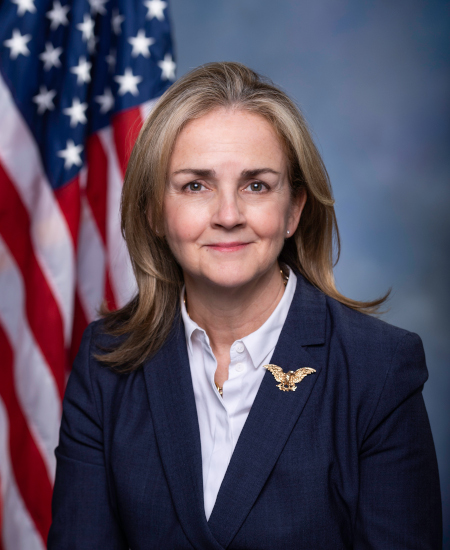
Summary of HR 1218 - SHIELD Act of 2025
Overview
The SHIELD Act of 2025, formally known as the Stopping Harmful Image Exploitation and Limiting Distribution Act of 2025, was introduced in the House of Representatives on February 11, 2025. The bill aims to address the growing issue of harmful image exploitation, particularly in the context of non-consensual sharing of explicit images and videos.
Purpose and Intent
The primary purpose of the SHIELD Act is to create stronger legal protections against the distribution of harmful images without consent. This legislation seeks to empower victims of image-based abuse and enhance accountability for those who exploit such images.
Key Provisions
While the full text of the bill is not provided, the following key provisions are anticipated based on the title and intent of the legislation:
Criminalization of Non-Consensual Distribution: The bill is expected to establish penalties for individuals who distribute explicit images without the consent of the individuals depicted.
Victim Support: Provisions may include support mechanisms for victims, such as access to legal resources and potential civil remedies.
Reporting Requirements: The bill may require platforms to implement reporting mechanisms for victims to report non-consensual image sharing.
Education and Awareness: The legislation could include initiatives aimed at educating the public about the implications of image exploitation and the importance of consent.
Affected Parties
The SHIELD Act would primarily affect:
Victims of Image-Based Abuse: Individuals who have had their images shared without consent would benefit from the protections and remedies provided by the bill.
Social Media and Online Platforms: Companies that host user-generated content may be required to implement new policies and reporting systems to comply with the legislation.
Law Enforcement: Agencies may need to adapt their practices to enforce the new legal standards established by the bill.
Legislative Process
- Introduced: February 11, 2025
- Referred to Committee: The bill has been referred to the House Committee on the Judiciary for further consideration.
Sponsorship
The bill is sponsored by Jefferson Van Drew and has multiple cosponsors, including:
- Nathaniel Moran
- Madeleine Dean
- Maria Elvira Salazar
- Kevin Kiley
- Mary Gay Scanlon
- Henry C. "Hank" Johnson
- Stacey E. Plaskett
- Brian K. Fitzpatrick
- Lucy McBath
- Nancy Mace
- Troy E. Nehls
Related Legislation
The SHIELD Act has a companion bill, S 516, which is likely to be introduced in the Senate, indicating a broader legislative effort to address this issue.
Conclusion
The SHIELD Act of 2025 represents a significant step towards combating the exploitation of individuals through non-consensual image sharing. By establishing legal protections and support for victims, the bill aims to foster a safer online environment and hold perpetrators accountable. As the bill progresses through the legislative process, further details will emerge regarding its specific provisions and implications.