Summary — HB 2446 (Introduced 2025): "Abuse by an Educator or Authority Figure"
Status and procedural history
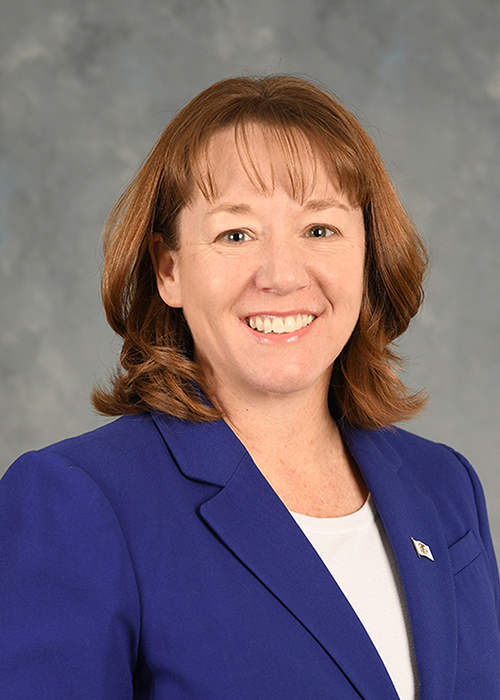
- Introduced Feb. 4–5, 2025 (House sponsor: Rep. Amy Elik).
- Referred to Rules Committee; later reported as “Do Pass” in committee (3/12/2025).
- Passed the House (read 3rd time) on May 12, 2025.
- Co‑sponsors added: Rep. Tony M. McCombie (2/10/2025) and Rep. Ryan Spain (added 9/17/2025).
- Companion bill: SB 3135.
- Statutory changes proposed: amends the School Code (105 ILCS 5/21B‑80) and creates a new criminal offense in the Criminal Code of 2012 (720 ILCS 5/11‑9.6).
Purpose / intent
- To create a distinct criminal offense for sexual abuse by an educator or other authority figure of a student who is legally an adult but still within a student‑age range (18–22), and to make conviction for that offense a basis for licensure denial, suspension, or revocation for educators.
Key provisions
1. New offense — “Abuse by an educator or authority figure” (720 ILCS 5/11‑9.6, new):
- Elements: The defendant
- is an educator or other authority figure at the school;
- is at least four years older than the student;
- currently holds or held within the previous year a position of trust, authority, or supervision over the student in connection with an educational or extracurricular program or activity;
- and engages in either:
- sexual conduct with the student; or
- sexual penetration of the student.
- Victim age limitation: victim is at least 18 years of age but under 23 years of age.
- Consent is explicitly not a defense.
Penalty structure:
- Sexual conduct (non‑penetrative): Class A misdemeanor for a first offense; Class 4 felony for a second/subsequent offense or if there is more than one victim.
- Sexual penetration: Class 4 felony for a first offense; Class 3 felony for a second/subsequent offense or if there is more than one victim.
School licensure consequences (amendment to 105 ILCS 5/21B‑80):
- Adds the new offense to the list of “sex or other offenses” that can be grounds for immediate suspension, denial, or later revocation of an educator license or license application. Procedures for suspension pending adjudication and for action following conviction are applied consistent with existing language in Section 21B‑80.
Who is affected
- Educators and authority figures in schools (including those in extracurricular programs) who are four or more years older than a student aged 18–22.
- Students aged 18–22 (the statute protects this group when a power differential exists).
- School districts, licensing authorities (State Superintendent of Education), and employers: potential increases in investigations, license suspensions, and disciplinary actions.
- Law enforcement and prosecutors: a new statute and sentencing framework to pursue misconduct where consent might otherwise be claimed.
Practical impact and considerations
- Criminalizes sexual interactions between adult students (18–22) and adults in positions of educational authority when a clear age/power differential exists; eliminates consent as a defense in such cases.
- Strengthens grounds for administrative action against educator licenses and speeds the ability to suspend licenses while charges are pending.
- Schools may need to update policies, training, and monitoring to address interactions between staff and older students and to mitigate risk.
- The bill focuses narrowly on the educator–student power dynamic (position of trust) rather than blanket criminalization of all consensual adult relationships.