

WeVote

Bill

Bill

SB 2006

Sewage - As introduced, increases, from a Class C to Class B misdemeanor, the classification of offenses involving unlawful disposal of sewage if the person commits the offense while engaged in the business of removing accumulated wastes from subsurface sewage disposal systems. - Amends TCA Title 39 and Title 68, Chapter 221.

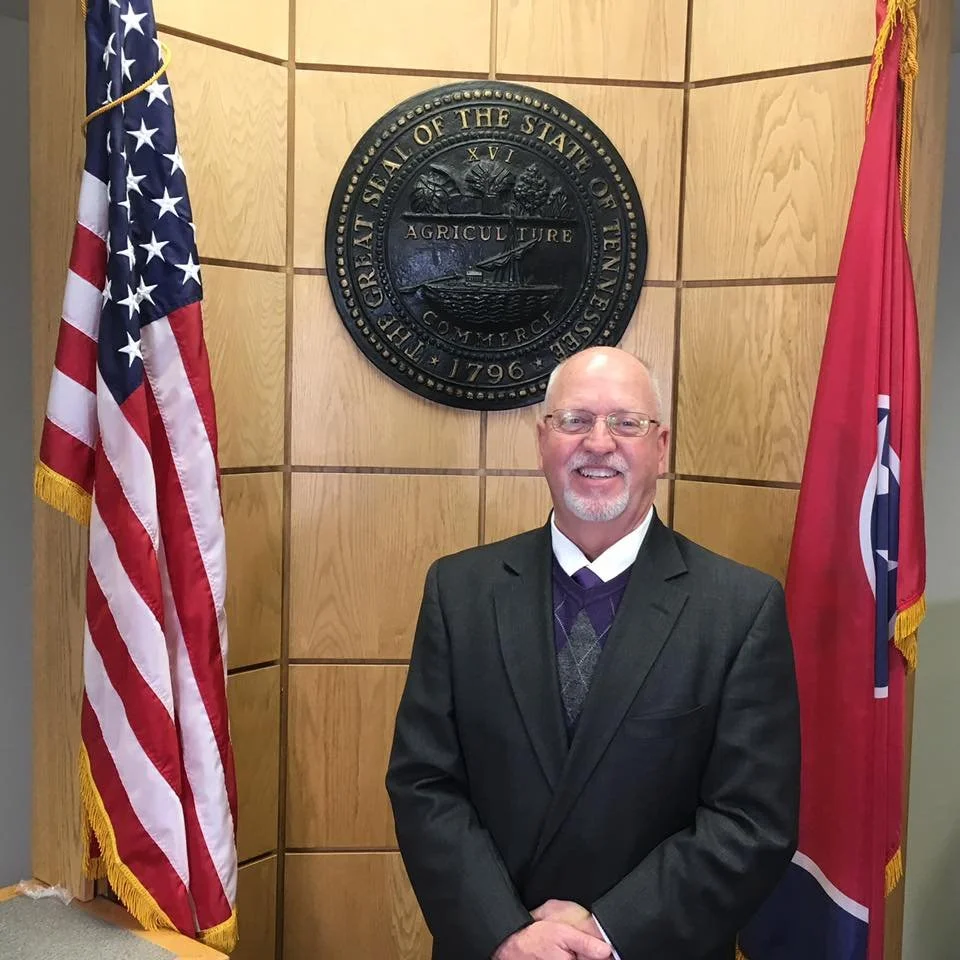
114th Regular Session (2025-2026) Introduced by Tom Hatcher

The bill raises penalties from Class C to Class B misdemeanors for unlawful disposal or discharge of sewage or waste when the offender is engaged in removing accumulated wastes fro

Passed on Second Consideration, refer to Senate Energy, Ag., and Nat. Resources Committee
0
WeVote Research Nonpartisan
Bill Summary · SB 2006

Summary of Bill: SB 2006 / HB 1809 (Session 114, Tennessee)

I. Purpose and Intent

  • The bill increases the severity of certain offenses involving unlawful disposal or discharge of sewage or waste when the offender is engaged in the business of removing accumulated wastes from subsurface sewage disposal systems (SSDS).
  • Specifically, it elevates relevant violations from a Class C misdemeanor to a Class B misdemeanor.

II. Key Provisions and Changes

1) Tennessee Code Annotated § 39-17-102(d)

  • Current: Offenses under § 39-17-102(d) are Class C misdemeanors.
  • Amended:
    • General rule remains a Class C misdemeanor.
    • Exception: If the offender commits the offense while engaged in the business of removing accumulated wastes from SSDS (as defined in § 68-221-402), the offense becomes a Class B misdemeanor.

2) Tennessee Code Annotated § 68-221-413(a)

  • Current: Violations of this part (SSDS-related) or associated rules are Class C misdemeanors.
  • Amended:
    • General rule remains Class C misdemeanor.
    • Exception: An offense under § 68-221-406(a)(7) (unlawful disposal of sewage or effluent from an SSDS) becomes a Class B misdemeanor if the offender is engaged in the business of removing accumulated wastes from SSDS.

3) Tennessee Code Annotated § 68-221-713(f)(1)

  • Current: Violations of this part or rules promulgated under it are Class C misdemeanors.
  • Amended:
    • General rule remains Class C misdemeanor.
    • Exception: An offense under § 68-221-711(5) (unlawful discharge of sewage or other waste or contaminant) becomes a Class B misdemeanor if the offender is engaged in the business of removing accumulated wastes from SSDS.

4) Effective Date

  • The act takes effect July 1, 2026, for public welfare requiring it.

III. Who is Affected

  • Individuals and entities engaged in the business of removing accumulated wastes from subsurface sewage disposal systems (SSDS), including workers and businesses operating in septic/SSDS waste removal.
  • Persons charged with unlawfully disposing or discharging sewage or related waste who are also performing SSDS waste removal work could face higher penalties (Class B misdemeanors).

IV. Potential Impact

  • Penalty Elevation: In applicable cases, penalties move from Class C to Class B misdemeanors, potentially affecting:
    • Judicial handling (severity, potential jail time)
    • Deterrence for waste removal professionals handling raw sewage or SSDS effluent.
  • Fiscal Note: The fiscal analysis indicates a “Not Significant” impact, citing historically low volumes of convictions for these offenses and modest jail time assumptions (Class B misdemeanor average ~1 day in jail). Expected negligible effect on state or local government finances.
  • Enforcement and Compliance: May incentivize stricter adherence to proper disposal practices among SSDS waste removal businesses to avoid elevated penalties.

V. Additional Context

  • Supporting documentation notes the bill targets unlawful disposal of raw sewage, effluent from SSDS, or other waste/contaminants specifically in the context of disposal while engaged in SSDS waste removal.
  • The bill aligns penalties with risk/occupational context to reflect increased seriousness when disposal occurs within the course of SSDS waste removal business activities.

If you’d like, I can provide a side-by-side comparison with current law or a plain-language FAQ for members of the public.

Compiled from official sources — confirm details with the bill’s official record.

Sign in to ask a question.