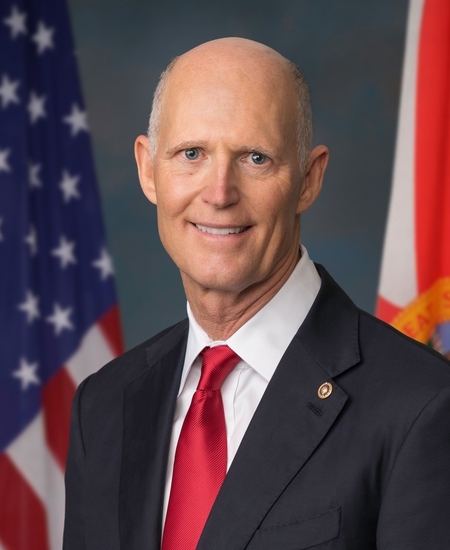
Summary: SENIOR Act (S. 473)
Overview
- Bill Number: S 473
- Title: Social Engagement and Network Initiatives for Older Relief Act (SENIOR Act)
- Status: Introduced in the Senate
- Introduced: February 6, 2025
- Classification: Bill
- Short description in introduced form: The Act may be cited as the SENIOR Act (Social Engagement and Network Initiatives for Older Relief Act).
Purpose and intent
- Based on the title and introduced form, the SENIOR Act appears aimed at enhancing social engagement and networking initiatives for older adults, with the goal of providing relief related to social isolation and promoting well-being among aging populations.
- The specific statutory objectives, programs, funding levels, and targeted outcomes are not provided in the available summary.
Key provisions
- Text not provided in the available information. Consequently, there are no concrete provisions (authorities, programs, funding, eligibility, reporting requirements, or oversight details) described here.
- In typical legislation of this type, one might expect provisions related to federal program funding, interagency coordination, grants or pilot programs for community-based engagement, data collection or reporting requirements, and sunset or evaluation provisions. However, these are general possibilities and not asserted contents of S. 473.
Who would be affected
- Older adults, particularly those at risk of social isolation or limited social connections.
- Organizations serving older Americans (nonprofits, community organizations, and health/social service providers) that run programs to promote social engagement.
- Federal agencies tasked with aging, public health, education, and labor initiatives, should the bill authorize programs or interagency efforts.
- States and localities implementing any authorized programs or partnerships.
Procedural/timeline aspects
- February 6, 2025: Read twice and referred to the Senate Committee on Health, Education, Labor, and Pensions.
- February 6, 2025: Introduced in the Senate.
- Next steps (not specified in the provided summary): If advanced, the bill would typically proceed to committee hearings, potential amendments, and floor consideration before any vote.
Sponsors
- Primary sponsor: Senator Rick Scott
- Cosponsors: Senator Raphael Warnock (also listed as cosponsor) and Senator Tina Smith
Notes for further action
- If you want a detailed understanding of the bill’s provisions and impact, the full text or a summary from the sponsor(s) or committee would be needed. I can help locate the official bill text and track updates as they become available.