

WeVote

Bill

Bill

SF 1797

Seized property monthly payments paused by lenders requirement provision and seized property monthly payment failure reporting by lenders prohibition provision

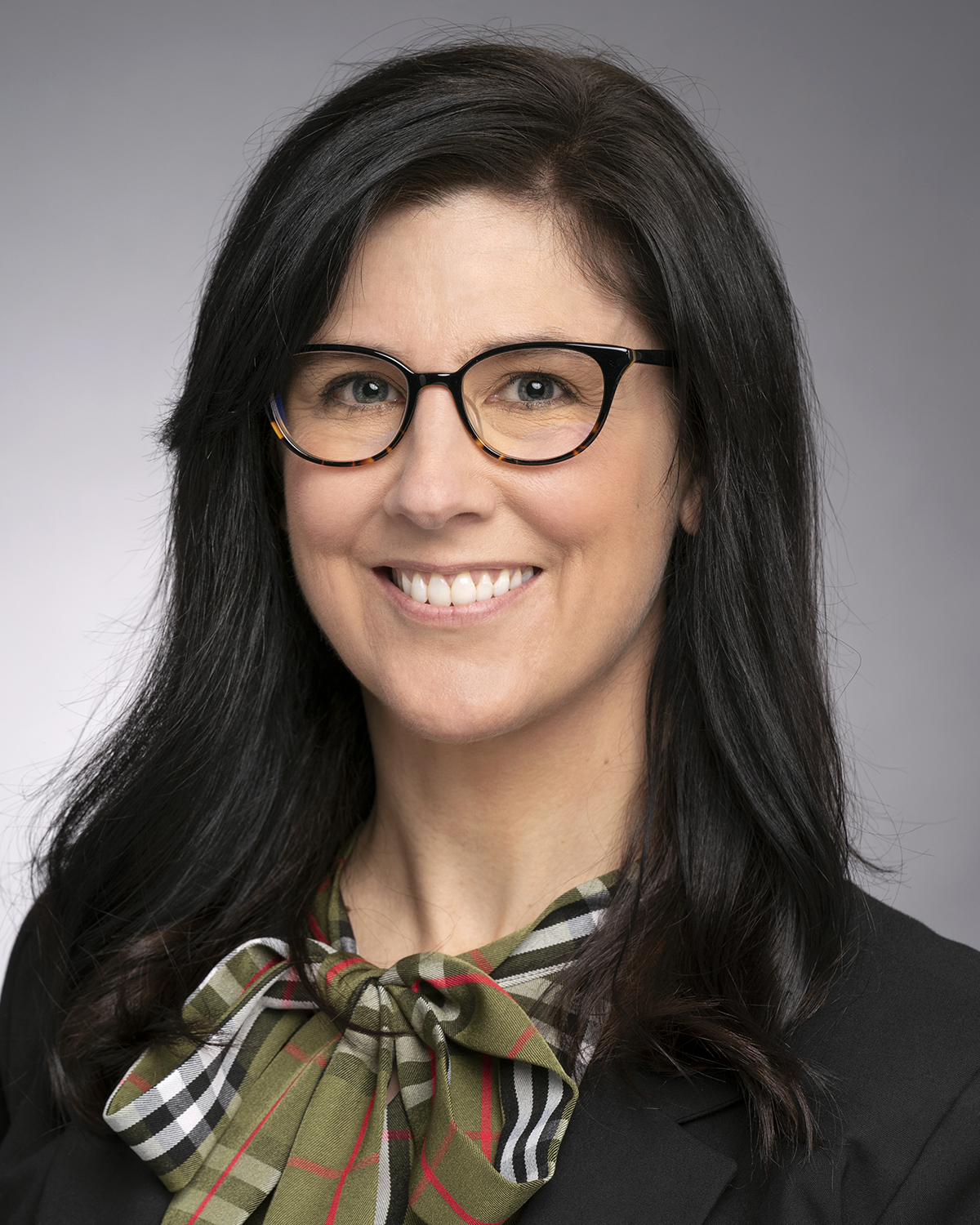
2025-2026 Regular Session Introduced by Heather Gustafson and 3 co-sponsors

Minnesota bill requiring lenders pause monthly payments and withhold credit reporting on seized property to prevent simultaneous asset loss and credit damage.

Author added Lucero
0
WeVote Research Nonpartisan
Bill Summary · SF 1797

Legislative bill overview

SF 1797 requires lenders to pause monthly payments on seized property and prohibits lenders from reporting payment failures to credit agencies during these pause periods. The bill appears designed to provide borrowers temporary relief when their collateral (property) has been seized, preventing dual financial penalties of losing the asset while simultaneously damaging credit scores.

Why is this important

Seizure of property is already a severe financial consequence for borrowers. This bill addresses whether it's fair to simultaneously damage credit ratings during seizure proceedings, which could affect future borrowing ability, employment prospects, and housing access. The policy reflects ongoing tension between creditor rights and consumer protection in Minnesota.

Potential points of contention

  • Lender perspective: Pausing payments without reporting defaults could obscure true credit risk, potentially raising costs for all borrowers through higher interest rates to offset lender losses
  • Scope ambiguity: The bill's language on which "seized property" situations qualify (foreclosure, repossession, levy) and pause duration appears unclear from the title alone
  • Moral hazard concerns: Critics may argue this reduces incentives for borrowers to resolve payment disputes before seizure occurs, while advocates counter that credit reporting should reflect actual ongoing obligations, not collateral seizure consequences

Compiled from official sources — confirm details with the bill’s official record.

Sign in to ask a question.