

WeVote

Bill

Bill

HR 1636

Securing our Radioactive Materials Act

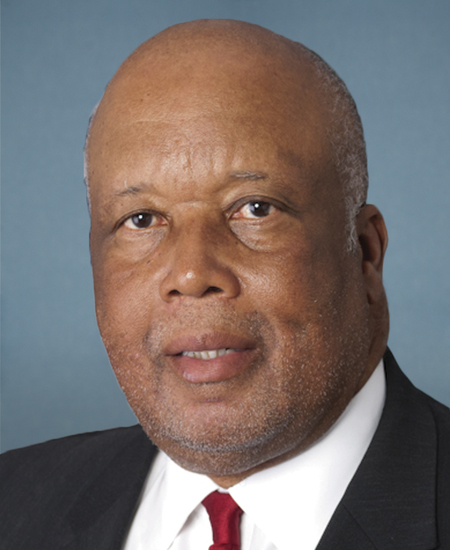
119th Congress Introduced by Bennie Thompson and 1 co-sponsor

H.R. 1636: Securing our Radioactive Materials Act SummaryThe Securing our Radioactive Materials Act is a bill introduced in the U.S. House of Representatives on February 26, 2025.

Introduced in House
0
WeVote Research Nonpartisan
Bill Summary · HR 1636

H.R. 1636: Securing our Radioactive Materials Act

Summary

The Securing our Radioactive Materials Act is a bill introduced in the U.S. House of Representatives on February 26, 2025. The main purpose of this legislation is to enhance security measures around the transportation, storage, and disposal of radioactive materials in the United States.

Key Provisions

The bill would:

  1. Require Enhanced Security for Radioactive Material Transport: Mandate that all transportation of radioactive materials, including nuclear waste, be accompanied by armed security guards. It would also establish new tracking and monitoring systems to better monitor the location of radioactive shipments.

  2. Establish New Safety and Security Standards: Direct the Nuclear Regulatory Commission (NRC) to develop and implement new, more stringent safety and security protocols for facilities that handle or store radioactive materials. This includes requirements for enhanced physical barriers, cybersecurity measures, and personnel vetting.

  3. Increase Penalties for Violations: Significantly increase civil and criminal penalties for any violations of regulations around radioactive material handling and security. Penalties could reach up to $1 million per violation.

  4. Provide Funding for State/Local Preparedness: Authorize $500 million in federal grants over 5 years to help state and local governments enhance their emergency response capabilities for radiological incidents.

Impact

This bill, if enacted, would impact a variety of entities that work with radioactive materials, including:

  • Nuclear power plants, medical facilities, research labs, and other commercial users of radioactive isotopes
  • Companies and carriers responsible for transporting radioactive waste and other radioactive materials
  • State and local emergency management agencies that would need to upgrade their preparedness

The more stringent security requirements and higher penalties are intended to reduce the risk of radioactive materials being lost, stolen, or diverted for malicious purposes. Proponents argue it will improve public safety, while critics may raise concerns about the costs and operational challenges for affected industries.

Procedural Considerations

As an introduced bill, H.R. 1636 would need to pass the House of Representatives and the Senate, and be signed into law by the President, before taking effect. The timeline for consideration and potential enactment is uncertain at this stage.

Compiled from official sources — confirm details with the bill’s official record.

Sign in to ask a question.