

WeVote

Bill

Bill

HR 7428

SECURES Act of 2026

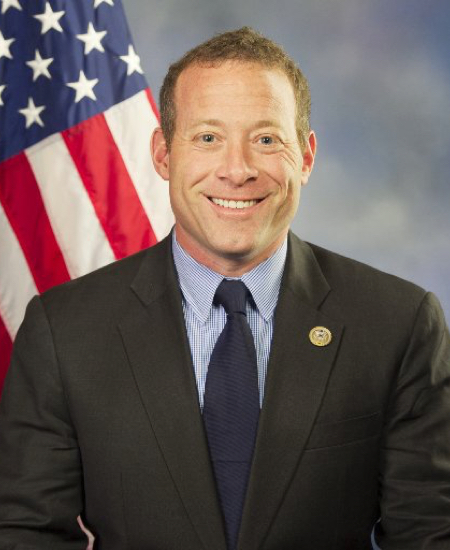
119th Congress Introduced by Josh Gottheimer and 2 co-sponsors

The bill directs federal rulemaking to require universal seat belts on all new school buses, prioritizing three-point belts and related safety technologies.

Referred to the Subcommittee on Highways and Transit.
0
WeVote Research Nonpartisan
Bill Summary · HR 7428

Purpose and intent

  • Introduces the SECURES Act of 2026 (Secure Every Child Under the Right Equipment Standards Act of 2026).
  • Requires the Secretary of Transportation to initiate federal rulemaking on seat belt standards for school buses, with a focus on universal seat belt requirements for all new school buses, regardless of gross vehicle weight rating (GVWR).

Key provisions

  • Section 2(a) Proposed Rulemaking:
    • Timeline: The Secretary of Transportation must publish a notice of proposed rulemaking (NPRM) within 180 days after enactment.
    • Scope: Establish new federal standards mandating seat belts on all new school buses, without exception based on GVWR.
  • Section 2(b) Considerations to be addressed in the NPRM:
    • Evaluate safety benefits of a lap/shoulder belt system (Type 2 seat belt assembly).
    • Consider findings by the National Transportation Safety Board (NTSB) that lap/shoulder belts provide the highest level of protection for school bus passengers; recognize that properly worn lap belts offer some benefit, while properly worn lap/shoulder belts reduce injuries related to upper body flailing.
    • Consider historical positions, including 2015 statements by NHTSA Administrator Mark Rosekind advocating for three-point belts for every child on every school bus.
    • Explore innovative approaches to seat belt detection, reminder systems, and violation alert systems that could be incorporated into school bus designs.
    • Review experiences from states that already require seat belts on school buses.

Who/what would be affected

  • All new school buses manufactured or entering federal standards after the rule becomes effective would be subject to the new seat belt requirements (universal installation of seat belts regardless of GVWR).
  • The rulemaking process would inform manufacturers, school districts, transportation administrators, and related stakeholders about compliance, technology options, and enforcement considerations.

Procedural and timeline aspects

  • Procedural: The bill initiates a federal rulemaking process through the U.S. Department of Transportation, specifically the Federal Highway Administration/related agencies responsible for school bus safety standards.
  • Timeline: NPRM to be published within 180 days following enactment of the Act.
  • Legislative status: Introduced February 9, 2026; referred to the House Committee on Transportation and Infrastructure, then to the Subcommittee on Highways and Transit. Co-sponsors include Mike Lawler, Eleanor Holmes Norton, and Josh Gottheimer.

Potential impact and considerations

  • Safety impact: Aimed at increasing protection for school bus passengers by mandating three-point (lap/shoulder) seat belts, aligning with safety board and past agency positions that such systems offer the highest level of protection.
  • Adoption considerations: The NPRM would assess cost implications, installation and maintenance logistics, potential impacts on bus design and capacity, training for school districts, and enforcement mechanisms.
  • State experience: Incorporates lessons from states already requiring school bus seat belts, which could inform best practices and implementation challenges at the federal level.

Note: The bill currently focuses on directing the rulemaking process and outlining the considerations to be included in the NPRM; it does not itself set final belt standards but requires federal action to establish them.

Compiled from official sources — confirm details with the bill’s official record.

Sign in to ask a question.