

WeVote

Bill

Bill

S 1561

SECURE Notarization Act of 2025

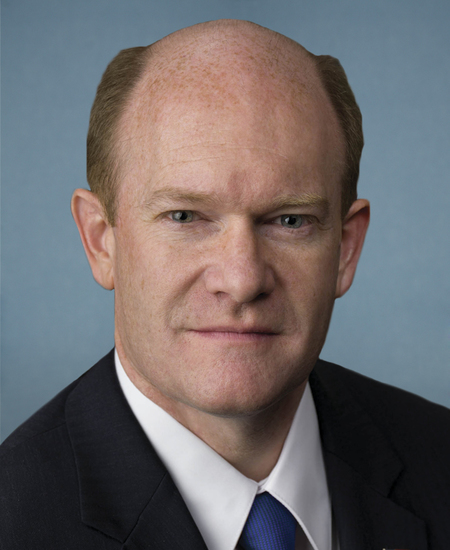
119th Congress Introduced by Chris Coons and 4 co-sponsors

Bill S 1561 bars elected officials with past-due tax debts from assuming office, promoting accountability and public trust in government leadership.

Introduced in Senate
0
WeVote Research Nonpartisan
Bill Summary · S 1561

Summary of Bill S 1561

Bill Overview

  • Bill Number: S 1561
  • Title: Relates to eligibility to assume office for certain elected officials owing past-due tax liabilities
  • Status: Referred to Investigations and Government Operations
  • Introduced On: January 10, 2025
  • Classification: Bill

Purpose and Intent

Bill S 1561 aims to establish criteria regarding the eligibility of elected officials to assume office if they have outstanding tax liabilities. The intent is to ensure that individuals in positions of public trust are financially responsible and do not owe significant debts to the government, which could undermine public confidence in elected officials.

Key Provisions

  • Eligibility Criteria: The bill proposes that individuals with past-due tax liabilities would be ineligible to assume office in certain elected positions. This includes a range of offices, although specific positions are not detailed in the provided information.
  • Definition of Past-Due Tax Liabilities: The bill would define what constitutes past-due tax liabilities, potentially including federal, state, and local taxes.
  • Implementation Timeline: While specific timelines for implementation are not provided, the bill's referral to the Investigations and Government Operations committee suggests that further discussions and potential amendments will occur before any final decisions are made.

Affected Parties

  • Elected Officials: Individuals seeking election or re-election to certain public offices would be directly impacted by this legislation. Those with outstanding tax debts may find themselves barred from assuming office.
  • Voters and the Public: The general public may benefit from increased accountability among elected officials, potentially leading to greater trust in government.

Legislative Context

  • Related Bills: This bill is related to several prior-session bills (S 4460, S 1839, S 1733, S 1392) that may have addressed similar issues regarding the financial responsibilities of elected officials. Understanding these related bills could provide additional context on the legislative intent and historical discussions surrounding this topic.

Next Steps

As of now, Bill S 1561 has been referred to the Investigations and Government Operations committee for further review. The committee will likely evaluate the bill's provisions, consider public input, and determine if amendments are necessary before it can proceed to a vote.

This summary provides a clear and concise overview of Bill S 1561, outlining its purpose, key provisions, and potential impacts on elected officials and the public. Further developments will depend on the committee's actions and any subsequent legislative processes.

Compiled from official sources — confirm details with the bill’s official record.

Sign in to ask a question.