

WeVote

Bill

Bill

HR 9000

SCREEN for Type 1 Diabetes Act of 2026

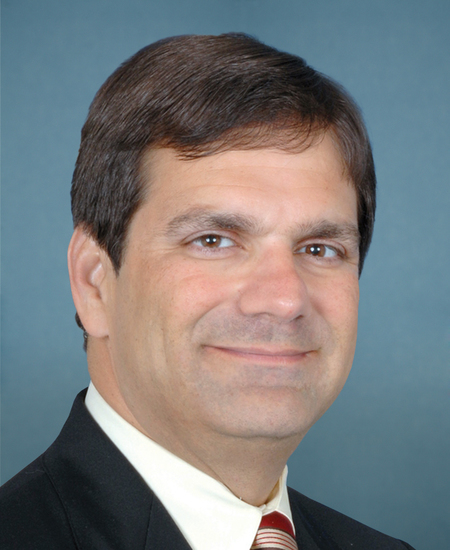
119th Congress Introduced by Gus Bilirakis and 12 co-sponsors

A federally funded, evidence-based national campaign will improve early detection of type 1 diabetes by educating providers and the public about symptoms and screening.

Introduced in House
0
WeVote Research Nonpartisan
Bill Summary · HR 9000

Overview

HR 9000, the SCREEN for Type 1 Diabetes Act of 2026, would amend the Public Health Service Act to establish a federally supported, evidence-based public awareness campaign focused on screening for type 1 diabetes. The bill authorizes funding, sets requirements for materials and messaging, and outlines coordination with federal, state, local, tribal, and educational entities. It is sponsored by multiple members of the House and introduced May 21, 2026.

Main Purpose and Intent

  • Create a national public awareness campaign to improve early detection, screening, and management of type 1 diabetes.
  • Ensure health care providers and the public have access to information about symptoms, screening availability, benefits of screening, and resources for newly diagnosed individuals.

Key Provisions and Changes

  • Amends Section 317H of the Public Health Service Act to replace current subsection (c) with a dedicated “Type 1 Diabetes Public Awareness Campaign.”
  • Campaign responsibilities (subsection 1):
    • The Secretary, via the CDC Director, must run an evidence-based national campaign to raise awareness among health care providers and the public.
    • Maintain publicly accessible written materials on early detection, screening, resources, symptoms, benefits of screening, and post-diagnosis education.
    • Develop and disseminate public service announcements (PSAs) through multiple media channels (social media, TV, radio, print, internet), in-person/virtual formats, and via trusted figures.
    • Consult with a broad coalition (National Academy of Medicine, health care associations, community health workers, nonprofits representing impacted communities, public health departments, schools, higher education) to inform policy and program development and evaluation.
    • Requirements include using evidence-based information, culturally and linguistically appropriate materials, and coordination with existing federal efforts.
    • Grants and cooperative agreements to private nonprofit entities with a history of similar campaigns.
    • Grants to State, local, and Tribal health departments to increase screening and disseminate accessible screening information.
    • Options for dissemination include traditional, digital, and in-person methods; targeted messaging for communities with rising incidence.
    • Definitions set for clarity (e.g., what constitutes “elementary” and “secondary” schools; “evidence-based”; “institution of higher education”).
    • An explicit authorization of appropriations: $5,000,000 for each fiscal year 2027–2031, available until expended.
  • Reporting (subsection b):
    • Within one year of enactment, the HHS Secretary must submit a report to Congress assessing the campaign’s activities, effectiveness, and impact on detection, screening, and management.

Who Would Be Affected

  • Public health agencies at the federal, state, local, and tribal levels.
  • Health care providers and health care facilities (including primary care and pediatrics).
  • Educational institutions (elementary, secondary, and higher education) and school organizations.
  • Community-based and nonprofit organizations, especially those representing communities with rising or historically higher incidence of type 1 diabetes.
  • General public, with culturally and linguistically tailored messaging.

Procedural and Timeline Aspects

  • Introduced May 21, 2026; referred to the House Committee on Energy and Commerce.
  • If enacted, annual funding of $5 million would be authorized for 2027–2031.
  • A congressionally mandated report due within one year of enactment evaluating the campaign’s implementation and impact.

Potential Impact (Summary)

  • Increased public and professional awareness of type 1 diabetes symptoms and screening options.
  • Improved early detection and timely diagnosis, potentially reducing morbidity through earlier management.
  • Coordinated, federally supported dissemination of culturally competent information across diverse communities.
  • Establishment of ongoing partnerships between federal agencies, health providers, educational institutions, and community organizations to sustain screening efforts.

Compiled from official sources — confirm details with the bill’s official record.

Sign in to ask a question.