

WeVote

Bill

Bill

HCR 47

SCHOOLS: Encourages school principals to provide for the display of certain founding documents in conjunction with America250, the celebration of the anniversary of the signing of the Declaration of Independence

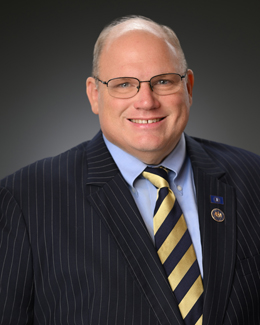
2025 Regular Session Introduced by Mike Bayham

Requests formation of a legislative working group to study and standardize disposal, consent, and notice for incombustible metal implants after cremation.

Taken by the Clerk of the House and presented to the Secretary of State in accordance with the Rules of the House.
0
WeVote Research Nonpartisan
Bill Summary · HCR 47

Summary — HCR 47 (Concurrent Resolution) — Cremation: Incombustible Metal Implants / Legislative Working Group

Note on source material: The materials provided contain multiple, disparate texts (including an unrelated Delaware HIV resolution and an initial bill title about schools). This summary is based on the concurrent resolution text labeled HCR 47 in the packet, which addresses the disposition of incombustible metal surgical implants following cremation and requests formation of a legislative working group.

Purpose / Intent

HCR 47 seeks to address emerging consumer‑protection and ethical issues created when metal surgical implants remain after cremation. The resolution requests the creation of a legislative working group to study current mortuary practices, the handling and sale of metal implant fragments, and to recommend standardized notice, consent, and contract provisions (particularly in pre‑need cremation contracts) to ensure family notification, informed consent, and appropriate disposition or recycling of metals.

Key provisions

  • Requests formation of a legislative working group (co‑chaired by one member each from the Senate and House standing committees with consumer‑protection purview).
  • Directs the working group to:
    1. Review mortuary operations statewide and any mainland jurisdictions involved in collection/recycling/sale of implant metals and estimate revenues generated.
    2. Propose definitions for “incombustible metal implants” remaining after cremation.
    3. Recommend specific contract provisions for pre‑need cremation agreements to document family decisions on disposal of implants.
    4. Document current practices for bulk sales of implant metals and report revenues.
    5. Identify factors affecting quantity/quality of metal fragments and recommend appropriate recycling/disposition practices.
    6. Recommend best practices for estate planners, eldercare advocates, and attorneys addressing implant disposition in health directives and wills (including option to donate proceeds to nonprofits).
    7. Submit a written report with findings and any proposed legislation to the Legislature by November 30, 2025.
  • Membership: includes legislative co‑chairs, representatives from the Department of Commerce and Consumer Affairs (DCCA) divisions, invited stakeholders (Kokua Mau, Kokua Council, higher‑education gerontology expert, Family Caregiver Foundation, Hawaii Family Caregiver Coalition), and a funeral industry representative from each county.
  • Administrative support: Legislative Reference Bureau (LRB) to assist with administration and drafting the report.
  • Transmittal: Certified copies to legislative leaders and DCCA.

Who is affected

  • Mortuaries and cremation service providers (procedures, contract language).
  • Families and designated representatives of decedents (notice and consent rights).
  • Funeral industry associations, estate planners, eldercare attorneys, consumer‑protection agencies.
  • Entities involved in collection/recycling/resale of metal implants (and potential recipients of proceeds).

Legal effect and timeline

  • This is a concurrent resolution: it requests action and study but does not by itself change statutory law.
  • Working group report due to the Legislature by November 30, 2025.
  • Legislative status in provided record: introduced and advanced through both chambers, enrolled and signed by legislative leaders, and presented to the Secretary of State (final procedural steps completed in early June 2025). Sponsors and principal supporters listed include Rep. Becky Cash, Rep. Mark Genda (coauthor), Sen. Brian Buchanan, Rep. Shimizu, and Rep. Mike Bayham. Companion measure: SCR 17.

Potential impact

  • Could yield recommended statutory or regulatory changes to standardize consent/notice for implant disposition, increase transparency about revenues from metal sales, protect families’ rights, and produce model contract language for pre‑need cremation agreements.

Compiled from official sources — confirm details with the bill’s official record.

Sign in to ask a question.