

WeVote

Bill

Bill

HB 5192

School funding calculations should be the last three-year running average or the current enrollment, whichever is highest

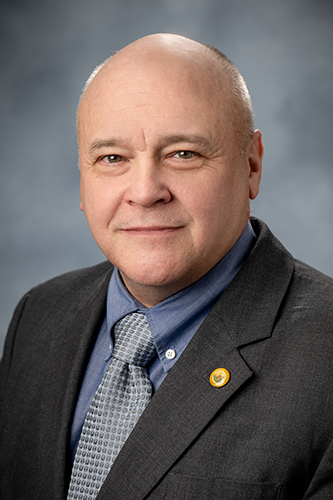
2026 Regular Session Introduced by Ray Canterbury and 2 co-sponsors

HB 5192 funds West Virginia schools using whichever is higher—three-year average or current enrollment—protecting declining districts from sudden funding cuts but potentially increasing state spending and creating unequal per-pupil allocations.

To House Education
0
WeVote Research Nonpartisan
Bill Summary · HB 5192

Legislative bill overview

HB 5192 proposes changing West Virginia's school funding formula to use whichever is higher: the three-year average student enrollment or the current year's enrollment. Currently, school districts receive funding based on specific enrollment calculations, and this bill would allow districts to benefit from higher historical enrollment figures if current enrollment has declined.

Why is this important

School funding directly determines resources available for teachers, facilities, and programs. Districts experiencing enrollment declines—common in rural and economically struggling areas—would receive more stable funding rather than immediate cuts. Conversely, this could create budget pressures if the state must fund phantom students or redirect money from growing districts.

Potential points of contention

  • Fiscal impact uncertainty: Using higher averages increases state education spending if enrollment is declining statewide, potentially straining the general fund or requiring tax increases
  • Fairness across districts: Growing districts with increasing enrollment would receive less per-pupil funding compared to declining districts using historical averages, creating resource disparities
  • Incentive misalignment: Districts might lack motivation to address enrollment challenges if guaranteed higher funding based on past numbers, potentially masking underlying problems in education quality or local economic conditions

Compiled from official sources — confirm details with the bill’s official record.

Sign in to ask a question.