

WeVote

Bill

Bill

HR 9251

School Access to Naloxone Act of 2026

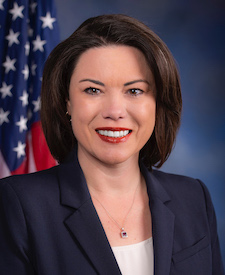
119th Congress Introduced by Angie Craig and 2 co-sponsors

Provides grants and a framework for trained school personnel to administer overdose-reversal drugs (like naloxone) in K–12 schools to reduce opioid overdose deaths.

Introduced in House
0
WeVote Research Nonpartisan
Bill Summary · HR 9251

Overview

  • Bill: HR 9251 (School Access to Naloxone Act of 2026)
  • Session: 119th Congress
  • Purpose: Amend the Public Health Service Act to provide funding and create a framework for trained school personnel to administer drugs or devices for emergency treatment of known or suspected opioid overdoses in elementary and secondary schools.
  • Sponsor(s): Rep. Kelly Morrison (primary) with Rep. Joyce of Ohio; additional sponsor: Angie Craig
  • Status: Introduced June 10, 2026; referred to the House Committee on Energy and Commerce

Main purpose and intent

  • To expand access to emergency opioid overdose treatment in schools by funding trained school personnel to administer naloxone or other necessary drugs/devices.
  • To authorize grants and establish requirements ensuring schools can safely stock and administer overdose-reversal medications during school hours.

Key provisions and changes

1) Grants for reducing opioid overdose deaths (overall framework)
- The bill modifies the Public Health Service Act to authorize funding and grant programs aimed at reducing opioid overdose deaths.
- It expands the scope to include administration of overdose-reversal drugs by trained school personnel in addition to prescribing activities.

2) Grants for reducing opioid overdose deaths in elementary and secondary schools (new program)
- Creation of a new grant program (Section 544A) accessible to eligible entities to support school-based administration of emergency treatments for opioid overdoses.
- Eligible entities can apply to receive funds to implement this program in public and private elementary and secondary schools within their jurisdiction.

3) Application and certification requirements
- Eligible entities must submit a grant application including:
- Information required under existing section 544(b)
- Certifications specified in subsection (c)
- Additional information as required by the Secretary
- Certifications required for each affected school include:
- A program allowing trained school personnel to administer drugs/devices for emergency overdose treatment.
- A plan to maintain an accessible supply of such drugs/devices in the school.
- A plan to have on premises during all operating hours one or more trained personnel.
- State Attorney General certification addressing civil liability protection:
- The state has reviewed civil liability protection laws relevant to trained school staff administering overdose treatment.
- The state has determined that such laws provide adequate protections.

4) Definitions and scope
- Civil liability protection law: State laws offering legal protection to individuals providing emergency aid.
- Eligible entity: As defined in section 544 (the grant-issuing body).
- Trained personnel: School nurses, trained school-based health center staff or other designated staff who have received appropriate training on administering overdose-related drugs/devices, and whose training meets medical standards and is documented by school administration.

5) Administrative changes
- The authorization of appropriations for section 544 is amended to include funding to carry out section 544A in addition to the existing section 544.

Who would be affected

  • Elementary and secondary schools (public and private) within jurisdictions of eligible entities participating in the grants.
  • School personnel designated as trained to administer emergency overdose treatments (nurses, health center staff, or other trained staff).
  • State governments (via state attorney general certifications regarding civil liability protections).
  • Eligible entities (districts, consortia, or other entities eligible under section 544) seeking federal grant funding.

Procedural and timeline aspects

  • Funding mechanism: Grants provided by the Secretary of the Department of Health and Human Services under the newly created 544A program, with coordination to 544 authorities.
  • Application process: Eligible entities must submit a formal grant application detailing required information and certifications.
  • Certification timeline: States must certify civil liability protections before grant implementation, ensuring trained personnel are shielded by applicable liability protections during overdose interventions.
  • Implementation readiness: Schools must have a plan for training, drug/device stock, and presence of trained personnel during all operating hours prior to or concurrent with grant use.

Potential impact

  • Increased availability and use of overdose-reversal medications (e.g., naloxone) in school settings.
  • Enhanced ability to respond to opioid overdoses promptly, potentially reducing overdose fatalities among students and school staff.
  • Requirement for states to evaluate and assure civil liability protections for trained school personnel, addressing legal risk concerns.
  • Administrative and training requirements for schools and eligible entities, including ongoing supply management and staff availability.

If you’d like, I can add a brief comparison to current law or provide a one-page quick summary for policymakers.

Compiled from official sources — confirm details with the bill’s official record.

Sign in to ask a question.