

WeVote

Bill

Bill

SB 1331

SCHOLARSHIP ACCESSIBILITY ACT

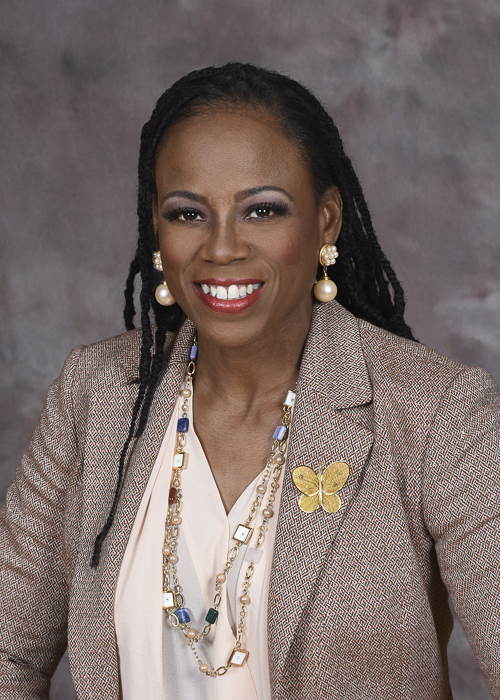
104th Regular Session Introduced by Carol Ammons and 18 co-sponsors

Creates the Illinois Scholarship Database run by ISAC to centralize and publish scholarships, with joint student/parent accounts from 7th grade to boost access.

Added as Co-Sponsor Sen. Christopher Belt
0
WeVote Research Nonpartisan
Bill Summary · SB 1331

SB 1331 — Scholarship Accessibility Act (Illinois) — Summary

Status (as of latest actions): introduced in early 2025, passed the Illinois Senate, received in the House, amended in committee/on the House floor (House Floor Amendment No. 1 adopted 05/31/2025), and passed the House (3/31–4/03/2025 entries). The measure has multiple sponsors and co‑sponsors and is proceeding through concurrence/administrative steps. Related companion bills: HB 2713, HB 1012, HB 1033.

Purpose

To increase Illinois students’ awareness of and access to higher‑education scholarship opportunities by creating a centralized, publicly accessible Illinois Scholarship Database administered by the Illinois Student Assistance Commission (ISAC).

Key provisions

  • Establishes the Illinois Scholarship Database (a public website and application) to be developed, implemented, and administered by ISAC. The Database must be publicly accessible and easy to use.
  • School/Student participation:
    • Beginning in 7th grade, public schools must inform students about the Database and require creation of an account.
    • Accounts must be created jointly by the student and a parent (clearly indicating which user is student vs. parent). Accounts must not be tied to an administrative email address that the school can terminate.
    • Both student and parent may access and manage the account.
  • Student profile requirements:
    • Required to include a portfolio describing the student and the student’s current year of enrollment (part of account creation for all ages).
    • Required to list any criminal charge that subjects the student to a public registry, with exceptions (legal protections, court orders, exigent circumstances). This registry‑disclosure provision does not apply until after a student finishes high school (but does apply to students “considered to have failed high school” per the bill text).
  • Database content and posting rules:
    • The Database must include and display a comprehensive list of scholarships.
    • Scholarship providers may submit listings, subject to transparency and reasonableness rules (e.g., listings cannot obscure which institutions are eligible or impose inappropriate/absurd requirements).
    • Widely known, out‑of‑state scholarships may be displayed if accessible to Illinois students.
  • ISAC responsibilities:
    • ISAC develops and operates the Database and funds scholarship workshops and informational events to educate students and parents.
  • Adult student access:
    • Students age 18+ may create and maintain accounts without a parent and may remove a parent from an account they created before turning 18.
    • Subsection (e) profile requirements apply to adult accounts as well.
    • The Database remains accessible to users regardless of age.

Who is affected

  • Students (beginning 7th grade) in Illinois public schools and their parents — required to create/manage accounts.
  • Students 18+ — optional direct access and control.
  • Scholarship providers — may list opportunities and must meet posting transparency/reasonableness standards.
  • Illinois Student Assistance Commission — responsible for development, administration, and outreach activities.
  • Public schools — required to inform students and facilitate initial account creation.

Potential impacts and considerations

  • Positive: Centralizes scholarship information, increases early awareness of financial aid, may improve application rates and college access.
  • Administrative: ISAC will incur development/operational costs and must run outreach/workshops; schools must integrate account‑creation into student processes.
  • Privacy and equity concerns: Mandatory profile data (portfolio and possible listing of registrable criminal charges) raises data privacy and juvenile‑records issues; the bill’s treatment of criminal registry disclosures and the timing (post‑high school vs. certain “failed high school” cases) could require careful legal and confidentiality safeguards.
  • Access: Requiring joint parent accounts could benefit families but may raise access issues for students without engaged parents or for privacy‑sensitive older teens.

Procedural/timeline notes

  • Introduced in the 2025 legislative session; moved through Senate and House committees, received House amendments (House Floor Amendment No. 1 adopted 05/31/2025) and passed both chambers according to the bill log. Final enactment (governor’s signature/effective date) not indicated in the provided record.

Compiled from official sources — confirm details with the bill’s official record.

Sign in to ask a question.