

WeVote

Bill

Bill

SB 3492

SCH CD-TECHNOLOGY GUIDANCE

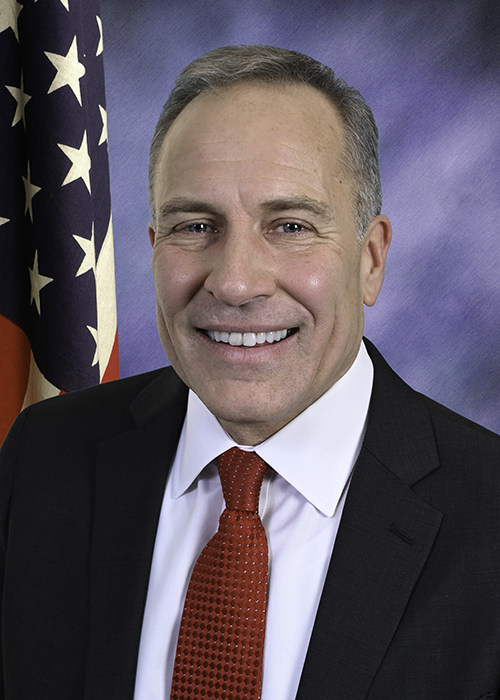
104th Regular Session Introduced by Chris Balkema and 1 co-sponsor

Provides statewide guidance for K-12 tech workforce curricula focused on AI and quantum computing to prepare students for tech careers.

Rule 2-10 Committee/3rd Reading Deadline Established As May 15, 2026
0
WeVote Research Nonpartisan
Bill Summary · SB 3492

Summary of SB3492 (104th General Assembly, Illinois)

Title

SCH CD-TECHNOLOGY GUIDANCE

Purpose and Intent

  • Establishes statewide guidance to help school districts prepare students for a technology-driven economy.
  • Emphasizes preparation in artificial intelligence (AI), quantum computing, and other rapidly growing technologies.
  • Aims to align K-12 education with current and future workforce needs and inform students about emerging job opportunities in tech fields.

Key Provisions

  1. New Section added to the School Code: 2-3.118b

    • Section creates authority for the State Board of Education (SBOE) to provide statewide guidance related to a workforce development curriculum or programming (or both).
    • The guidance would be adoptable at the district, school, or classroom level.
    • The guidance should include best practices for teaching AI, quantum computing, and other fast-growing technologies.
    • Objective: prepare students for future workforce, job, and career competencies and inform them about new or expanding opportunities in these fields.
  2. Scope of Guidance (subsection b)

    • Guidance to be provided subject to appropriation.
    • SBOE, in consultation with other relevant state agencies, develops the content.
  3. Collaboration and Stakeholders (subsection c)

    • SBOE may partner with or consult:
      • Employers
      • Business organizations
      • Career-focused nonprofits
      • Educational organizations
      • Other stakeholders
    • Purpose: develop the curriculum or programming.
  4. Review of Comparable Programs (subsection d)

    • SBOE must prepare a comprehensive review of workforce development curricula/programs focused on technology (e.g., AI, quantum computing) that are designed or considered in other states.
    • Includes state actions, policies, pilot programs, or district-wide implementations.
  5. Public Engagement (subsection e)

    • State Superintendent may convene meetings with public/private sector stakeholders during guidance preparation.
    • May allow public comments prior to finalizing guidance.
    • If public comments are permitted, SBOE must publish all submitted materials electronically.

Target Audience / Impact

  • Schools and Districts: Can adopt SBOE guidance for technology-focused workforce preparation at various levels (district, school, classroom).
  • Students: Increased exposure to AI, quantum computing, and related technologies; clearer information about future job opportunities in tech.
  • Educators and Administrators: Access to best practices and a framework to integrate tech-focused curricula.
  • Stakeholders: Employers and industry groups are invited to contribute to guidance development.

Procedural and Timeline Considerations

  • Funding: Guidance is subject to appropriation; state funds may be required to develop and implement.
  • Implementation Window: The bill outlines guidance development but does not specify a fixed implementation date; it relies on SBOE action following stakeholder input and public comments if applicable.
  • Process for Comments: If allowed, public comments would be published electronically, ensuring transparency in the guidance finalization.

Overall Assessment

SB3492 seeks to position Illinois schools at the forefront of tech education by:
- Providing formal statewide guidance on workforce development curricula focused on AI and quantum computing.
- Encouraging collaboration with industry and educational partners.
- Enabling a review of successful tech-focused programs from other states.
- Incorporating opportunities for public input in the guidance development process.

This bill emphasizes preparing students for evolving technology-driven careers and increasing awareness of emerging opportunities in high-growth fields.

Compiled from official sources — confirm details with the bill’s official record.

Sign in to ask a question.